
If you asked a group of teachers why children are referred to the school counselor, friendship problems would almost certainly be near the top of the list.
Perhaps two students have fallen out over a disagreement during recess. A child keeps interrupting during class discussions. Someone refuses to join group activities, while another becomes so frustrated during a game that they storm away before it finishes. On the surface, these situations appear completely different, yet they’re often grouped together under one broad label: social skills.
For many years, that’s how I thought about them too.
When I first began working as a school counselor, I found myself creating lessons that matched the behaviour I could see. If children struggled with friendships, we worked on friendship skills. If conflict kept appearing on the playground, we focused on conflict resolution. If a child interrupted frequently, we practised self-control. Each behaviour seemed to require its own lesson, its own intervention, and its own strategy.
Over time, however, something began to change. The more time I spent sitting beside children, listening to their stories, observing them during unstructured play, and supporting them through difficult moments, the more I realised I had been looking at the end of the story rather than the beginning.
The behaviors looked completely different. The children looked completely different. But underneath those behaviours, I kept noticing the same developmental patterns appearing again and again.
The child who interrupted every conversation wasn’t necessarily trying to be rude. More often, they were so excited that their thinking brain hadn’t quite caught up with their emotions. The child who became overwhelmed after losing a game wasn’t choosing to overreact. They were still learning how to tolerate disappointment and recover from frustration. The student who struggled to make friends didn’t lack kindness. They often found perspective taking, reading social cues, or managing the anxiety of joining conversations incredibly difficult.
That observation completely changed the way I approached social skills.
Instead of asking myself, “What behavior do I need to change?” I started asking a different question. “What developmental skill is this child still building?” It seems like a subtle shift, but it transformed the way I understood children. Rather than seeing behavior as the problem, I began seeing it as information. Behaviour became the clue.
Social Skills Are Really About Relationships
When people hear the words social skills, they often think about children learning to share, take turns, make eye contact, or use polite manners. Those behaviours certainly matter, but they’re only the visible part of something much bigger.
Healthy relationships are built on dozens of smaller developmental skills working together at exactly the same time.
Think about something as simple as joining a group of children already playing a game. Before a child even says a word, they’re reading facial expressions, noticing body language, deciding whether the group seems welcoming, managing any nervousness they may be feeling, waiting for an appropriate moment to join the conversation, and thinking about how their words might be received.
That’s an extraordinary amount of emotional and cognitive work happening during what looks like an ordinary playground interaction.
The same is true when children apologise after an argument, cope with losing a game, recognise that another child feels differently than they do, or decide to walk away from conflict rather than making it worse. Every one of those moments draws upon emotional awareness, impulse control, flexible thinking, empathy, communication, problem solving, and self-regulation.
Social skills aren’t one skill. They’re the visible expression of many developmental skills working together beneath the surface. That understanding completely changed the way I thought about counseling. Instead of collecting lessons for different behaviors, I became much more interested in strengthening the foundations that healthy relationships naturally depend upon.
Every Relationship Begins With One Important Skill
One of the biggest misconceptions about social skills is that children first need to understand other people.
In reality, healthy relationships usually begin much closer to home.
They begin with understanding ourselves.
A child who recognises they’re becoming frustrated is much more likely to pause before shouting.
A child who notices anxiety building before joining a group has a greater opportunity to use coping strategies before deciding to walk away.
A child who understands disappointment is less likely to interpret every playground disagreement as rejection.
Self-awareness quietly supports almost every social interaction children experience.
Without it, friendships become much harder to navigate because children are trying to understand other people’s emotions while still learning to recognise their own.
Over the years, I’ve noticed that some of the greatest breakthroughs in children’s friendships didn’t begin with teaching conversation starters or playground games.
They began when children developed a deeper understanding of themselves.
Because once children understand themselves…
they’re far better equipped to understand everyone else.
Relationships Are Built, Not Born
One of the most encouraging things about working with children is knowing that social skills are not personality traits—they’re developmental skills. Children aren’t born knowing how to resolve disagreements, recognise another person’s perspective, manage disappointment, or repair a friendship after an argument. Those abilities develop gradually through thousands of everyday interactions with parents, teachers, siblings, classmates, and other trusted adults.
Every playground disagreement, every group project, every birthday party invitation, and every misunderstanding becomes another opportunity to practise these skills. Sometimes children get it right. Sometimes they don’t. Both experiences are valuable because both provide opportunities for growth. Social development isn’t about expecting children to know exactly what to do in every situation. It’s about giving them repeated opportunities to learn, practise, reflect, and try again.
This is one of the reasons I often remind parents and teachers that children’s social mistakes shouldn’t always be viewed as failures. More often, they’re evidence that learning is taking place. Just as we wouldn’t expect a child to master reading after one lesson, we shouldn’t expect them to master empathy, communication, or conflict resolution after one conversation. Relationships take practice, and children deserve the same patience while developing social skills that we naturally offer when they’re learning to read, write, or solve mathematical problems.
Friendship Is About Much More Than Finding Someone to Play With
When children tell us they want more friends, our first instinct is often to teach conversation starters, joining strategies, or ways to introduce themselves. Those skills certainly have value, but healthy friendships are built on something much deeper than simply knowing how to start a conversation.
Lasting friendships require children to manage disappointment when plans change, recognise another person’s perspective during disagreements, celebrate someone else’s success without feeling threatened, apologise after making mistakes, and repair relationships when misunderstandings occur. They also require children to tolerate moments of uncertainty, navigate conflict respectfully, and understand that healthy friendships aren’t built on never disagreeing—they’re built on learning how to work through disagreements together.
I’ve often found that children become noticeably more confident in friendships once they realise conflict isn’t necessarily the end of a relationship. Many assume that one disagreement means someone doesn’t like them anymore. Helping children understand that healthy friendships include misunderstandings, forgiveness, compromise, and repair often removes an enormous amount of anxiety. Suddenly, friendships feel less fragile and much more realistic.
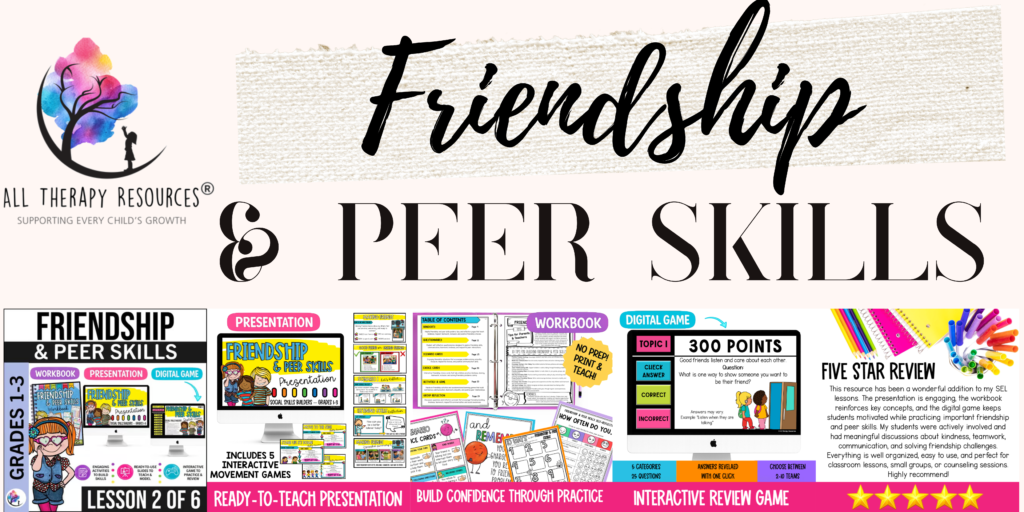
That’s one of the reasons friendship became an entire section of the curriculum rather than a single lesson. I wanted children to explore what healthy friendships actually look like—not just how to make friends, but how to build relationships that continue growing over time.
Self-Control Is Really About Creating Space Between Feelings and Actions
If there’s one skill that quietly influences almost every social interaction, it’s self-control.
For many years, I thought self-control was simply about helping children stop doing certain behaviours. Stop interrupting. Stop shouting. Stop grabbing. Stop reacting.
The longer I worked with children, however, the more I realised that self-control isn’t really about stopping.
It’s about creating space.
Space between an emotion and a reaction.
Space between an impulse and a decision.
Space long enough for the thinking part of the brain to catch up with the emotional part.
Within that brief pause, children begin asking themselves questions they couldn’t ask a few years earlier.
“What just happened?”
“How am I feeling?”
“What choices do I have?”
“What might happen if I do this?”
Those few seconds are where problem solving begins.
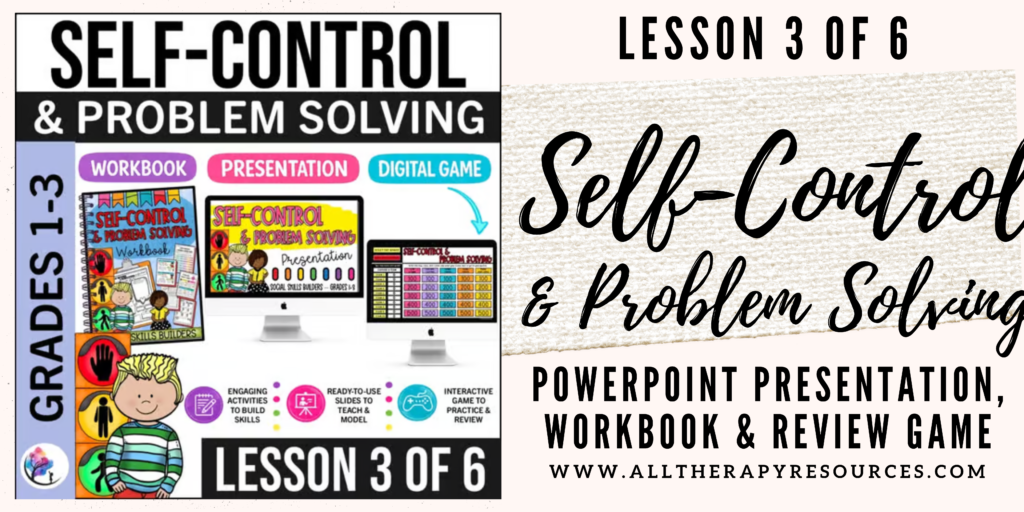
That’s why I intentionally paired Self-Control with Problem Solving. They aren’t separate skills. Children who pause long enough to think are much more likely to solve problems effectively, while children who develop stronger problem-solving skills gradually become better at managing impulsive behavior.
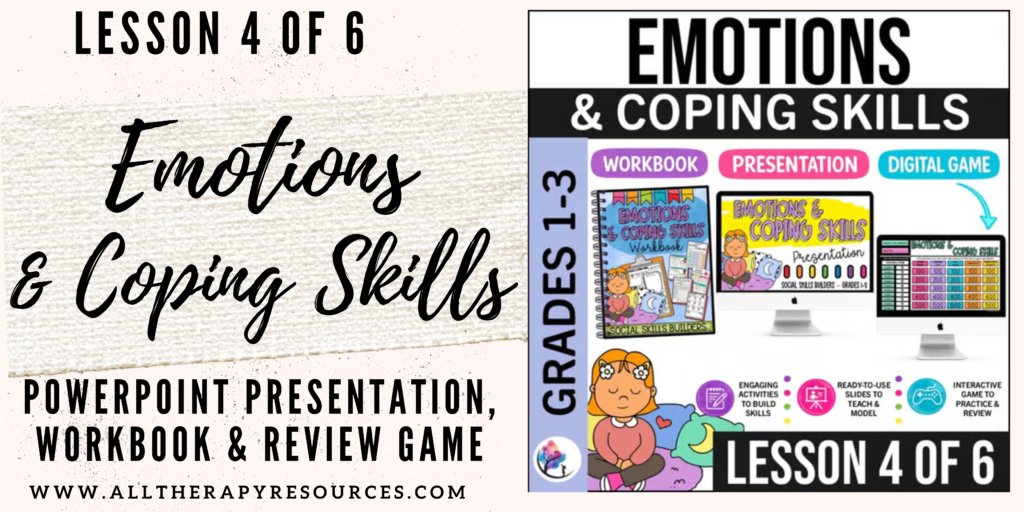
Emotions Shape Every Relationship We Have
It’s almost impossible to separate emotions from social skills because every relationship is influenced by how we understand and manage our feelings.
Think about a disagreement between two children on the playground.
One child believes they were ignored.
The other insists it was an accident.
Someone feels embarrassed.
Someone else feels frustrated.
Within a matter of seconds, several emotional experiences are influencing the conversation, often before either child has recognised what they’re actually feeling.
This is why emotional awareness and emotional regulation are such important parts of healthy relationships. Children who can recognise disappointment before it becomes anger are more likely to communicate calmly. Children who notice anxiety before joining a group have greater opportunities to use coping strategies instead of avoiding the situation altogether. Emotional awareness doesn’t just help children understand themselves—it changes the way they interact with everyone around them.
Over the years, I’ve found that some of the greatest improvements in children’s friendships happened long before we ever talked specifically about friendship. They happened because children became better at recognising emotions, communicating their needs, and responding thoughtfully instead of reacting impulsively.
Relationships often improve naturally when the emotional foundations underneath them become stronger.
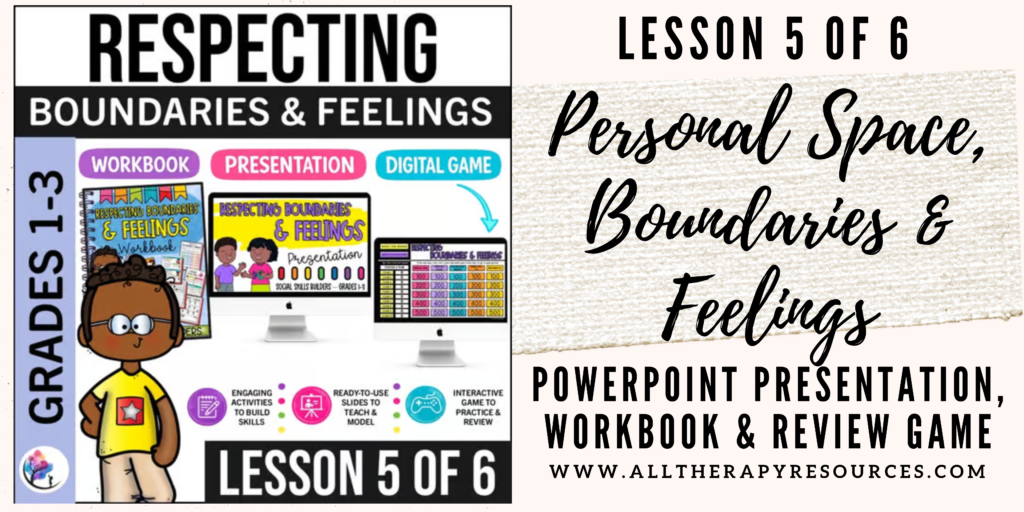
Boundaries Help Children Build Relationships That Feel Safe
Healthy relationships aren’t built only on kindness.
They’re also built on respect.
Children need opportunities to learn that every person has different thoughts, different feelings, different comfort levels, and different boundaries. Understanding this helps them recognise that friendships aren’t about always getting their own way. They’re about learning how to respect both themselves and other people.
I’ve often noticed that children become much more confident once they understand boundaries. They begin recognising that saying “no” respectfully is healthy. They realise they don’t have to join every game simply because someone asks. They discover that asking for personal space isn’t being unkind, and that respecting another person’s feelings doesn’t mean ignoring their own.
These conversations extend far beyond childhood. They’re helping children develop relationship skills they’ll continue using throughout adolescence and adulthood. That’s why I wanted boundaries to become an intentional part of the curriculum rather than simply something discussed when problems arose.
These Six Units Were Never Meant to Stand Alone
As the curriculum gradually came together, I realised I hadn’t really created six separate resources.
I’d created one developmental journey.
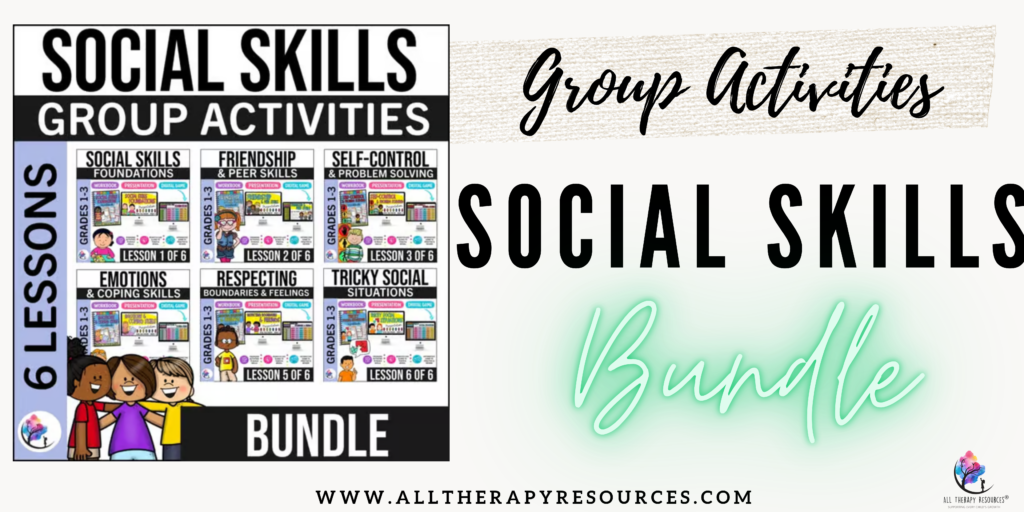
Each unit strengthens the next. Social skills foundations prepare children for friendships. Friendships create opportunities to practise emotional regulation and problem solving. Emotional awareness strengthens perspective taking. Respecting boundaries supports healthier relationships. Finally, realistic social situations allow children to bring every previous skill together in meaningful ways.
That’s exactly how child development works.
Children don’t use one skill at a time.
They use many skills simultaneously.
The curriculum was designed to reflect that reality because I wanted it to mirror the way children actually experience relationships—not as isolated lessons, but as interconnected moments that gradually shape the people they’re becoming.
A Clinical Perspective
Looking back over the years, one of the biggest shifts in my counseling practice happened when I stopped viewing social skills as something children either had or didn’t have. Instead, I began seeing them as developmental skills that grow through repeated experiences, supportive relationships, and intentional teaching.
That shift changed the questions I asked during counseling sessions. Instead of wondering why a child couldn’t keep friends, I became curious about what made friendships difficult for them. Instead of focusing on the playground disagreement itself, I started looking at the emotional regulation, perspective taking, flexible thinking, or communication skills that were influencing the interaction. Those conversations were often far more productive because they focused on helping children grow rather than simply correcting behaviour.
I’ve also learned that children rarely struggle because they don’t care about other people. Most genuinely want friendships. They want to belong. They want to be invited to birthday parties, included in games, and accepted by their peers. When those things don’t happen, it’s easy for adults to assume children simply need more reminders about appropriate behaviour. More often, however, they’re still developing the emotional and cognitive skills that healthy relationships quietly depend upon.
That perspective continues to shape almost everything I create.
Why I Created This Curriculum
People occasionally ask why I chose to create a complete social skills curriculum rather than individual lessons that could be used whenever a particular problem appeared.
The answer really comes back to the way children develop.
Children don’t experience life in separate categories. A disagreement with a friend isn’t just about conflict resolution. It also involves emotional awareness, self-control, flexible thinking, communication, empathy, and problem solving. Likewise, joining a new group of classmates isn’t simply about confidence. Children are managing uncertainty, interpreting social cues, regulating anxiety, deciding how to begin a conversation, and trying to understand how other children might respond.
The more I worked with students, the more I realised I was having the same conversations repeatedly. Although the situations looked different, the developmental foundations underneath them were remarkably similar. That’s when I stopped creating isolated lessons and began designing a curriculum that reflected the way children’s social development actually unfolds.
Each unit was intentionally designed to build upon the previous one. Rather than teaching isolated behaviours, I wanted children to gradually strengthen the emotional, thinking, and relationship skills that would continue supporting them long after the lessons were finished.
Why the Presentations, Workbooks, and Digital Games Work Together
One question I ask myself every time I develop a new resource is simple:
“How do children actually learn?”
The answer has never been, “By listening to an adult talk for thirty minutes.”
Children learn through conversation. They learn through movement, discussion, curiosity, reflection, and repeated opportunities to apply new ideas in different situations. They also learn through retrieval. Every time children revisit a concept, explain it in their own words, solve a new scenario, or discuss it with classmates, those neural pathways become a little stronger.
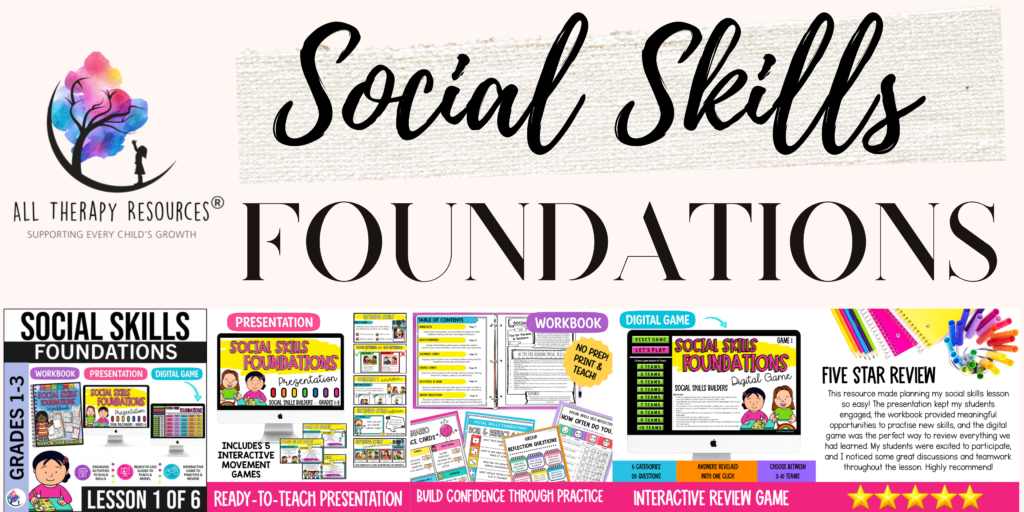
That’s why each unit within this curriculum includes three different learning experiences.
The PowerPoint presentation introduces new concepts through stories, questions, and guided discussion. Rather than overwhelming children with information, it encourages them to think, predict, share ideas, and explore different perspectives together.
The student workbook then slows the learning down. It gives children time to reflect, write, draw, solve problems, and connect new ideas to their own experiences. Reflection is often where deeper learning begins because children stop simply hearing ideas and start making personal meaning from them.
Finally, the interactive digital game gives students opportunities to revisit those same concepts in an engaging way. As they answer questions, discuss different scenarios, justify their thinking, and hear how classmates respond, the learning becomes active rather than passive. They’re not simply remembering information. They’re practising how to use it.
For me, those three components were never about adding more activities.
They were about creating more opportunities for children to build lasting understanding
Small Conversations Create Lasting Change
One of the reasons I love classroom guidance lessons is that meaningful change rarely happens because of one “perfect” lesson.
It happens through lots of small conversations.
Sometimes it’s a child quietly saying, “I never thought about it that way before.”
Sometimes it’s the student who apologises after an argument without being reminded.
Sometimes it’s the child who recognises they’re becoming frustrated and asks for a break before the situation escalates.
Those moments often seem ordinary.
But they’re not.
They’re evidence that children are beginning to think differently about themselves and the people around them.
I’ve learned not to underestimate those moments because they’re often the building blocks of lifelong social competence.
Before You Go…
Before you leave, I’d encourage you to think about one child you’ve worked with recently.
Perhaps they’re the student who always seems to argue during group work. Maybe they’re the child who desperately wants friends but struggles to keep them. Or perhaps they’re the student who reacts so quickly that everyone assumes they simply need more consequences.
What if the behaviour you’ve been seeing isn’t the whole story?
What if it’s simply the most visible expression of a developmental skill that’s still growing?
Sometimes changing the question changes everything.
Instead of asking,
“How do I stop this behaviour?”
perhaps we might begin asking,
“What skill does this child need more opportunities to develop?”
I’ve found that question continues to guide my counseling practice every single day.
Featured Resource: Social Skills Curriculum for Elementary School Counselors
The Social Skills Curriculum was created from the belief that healthy relationships are built through intentional teaching, repeated practice, and meaningful reflection. Rather than focusing on isolated behaviours, the curriculum helps children gradually develop the emotional, cognitive, and interpersonal skills that support friendships, communication, self-control, problem solving, empathy, and respectful relationships.
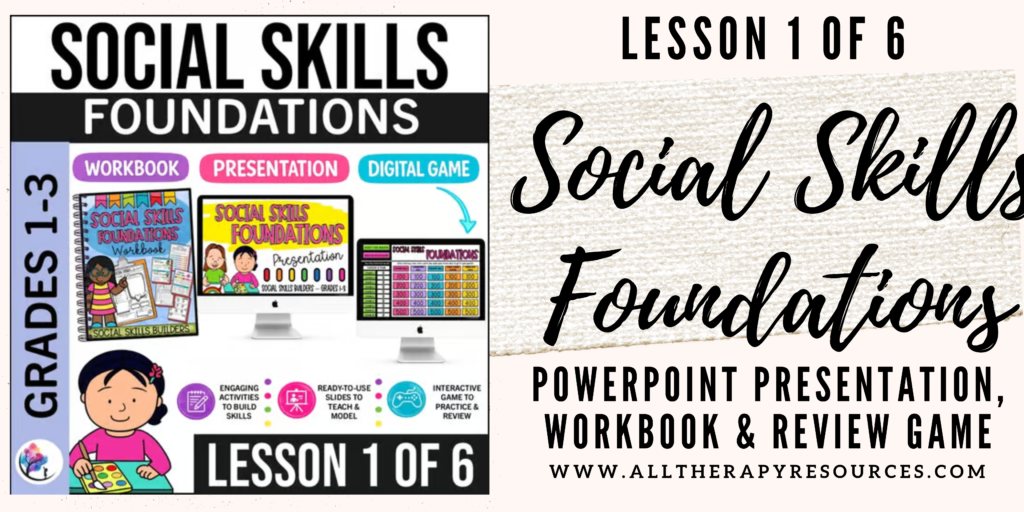
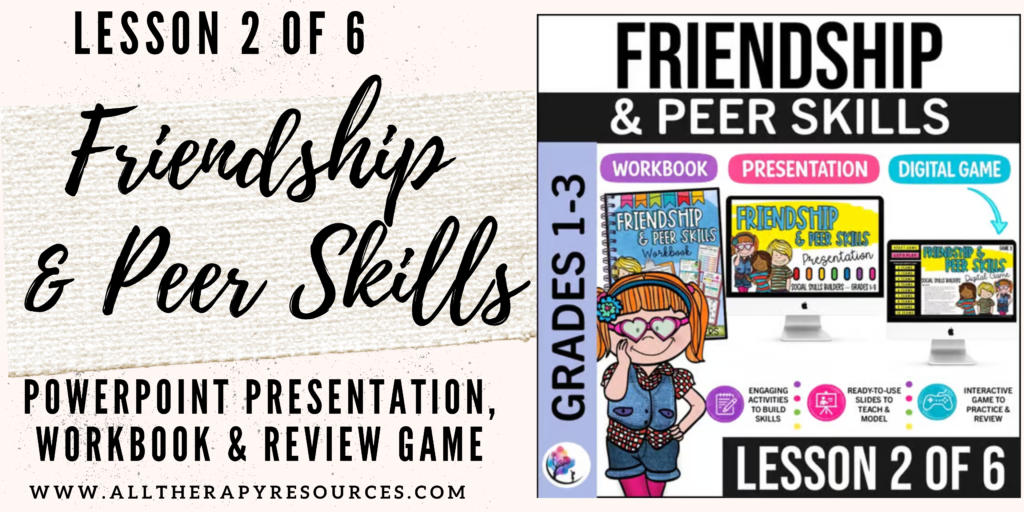
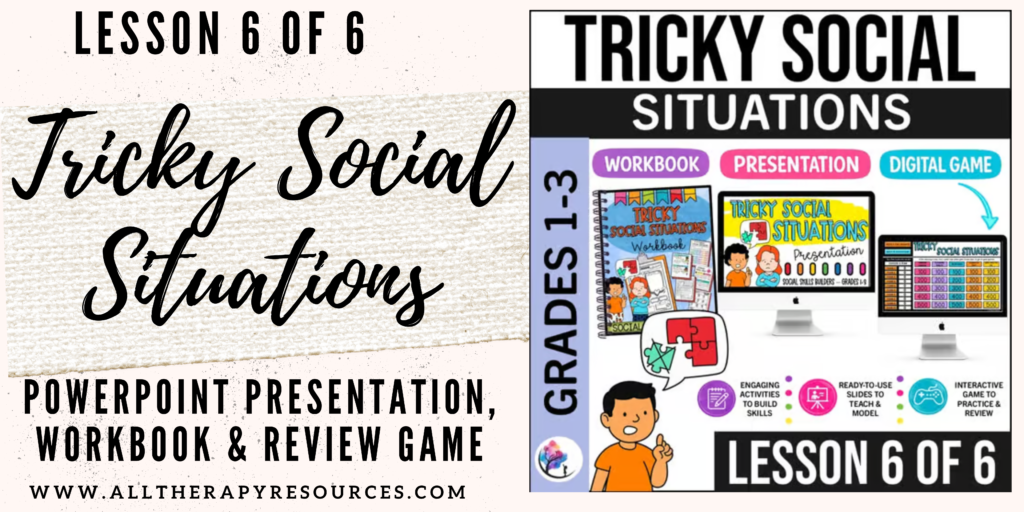
Across six comprehensive units—Social Skills Foundations, Friendship and Peer Skills, Self-Control and Problem Solving, Emotions and Coping Skills, Respecting Boundaries and Feelings, and Tricky Social Situations—students participate in interactive PowerPoint lessons, complete reflective workbooks, and reinforce learning through engaging digital games. Each component has been intentionally designed to support discussion, application, and repeated practice because lasting social-emotional learning develops over time rather than through a single lesson.
Whether you’re delivering classroom guidance lessons, facilitating small groups, or supporting individual students, the curriculum provides a cohesive framework for helping children strengthen the skills that healthy relationships depend upon.
💜 Continue Building Strong Developmental Foundations
Healthy relationships don’t begin with friendship tips.
They begin with children understanding themselves, managing emotions, solving problems, communicating respectfully, and learning how to see the world through another person’s eyes.
If you’re looking for research-informed counseling resources that support those developmental foundations, the All Therapy Resources® Membership gives you access to an ever-growing library of classroom lessons, workbooks, digital counseling games, small group curricula, and social-emotional learning resources designed to help children thrive.
ATR Family: If you’re already an ATR Member, the complete Social Skills Curriculum is already waiting for you inside your membership, alongside hundreds of other resources designed to strengthen the developmental foundations that support children’s emotional wellbeing, relationships, confidence, and resilience.