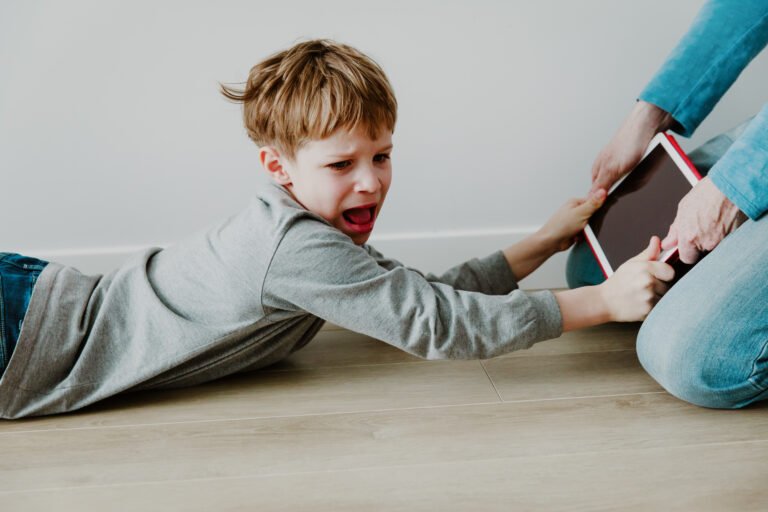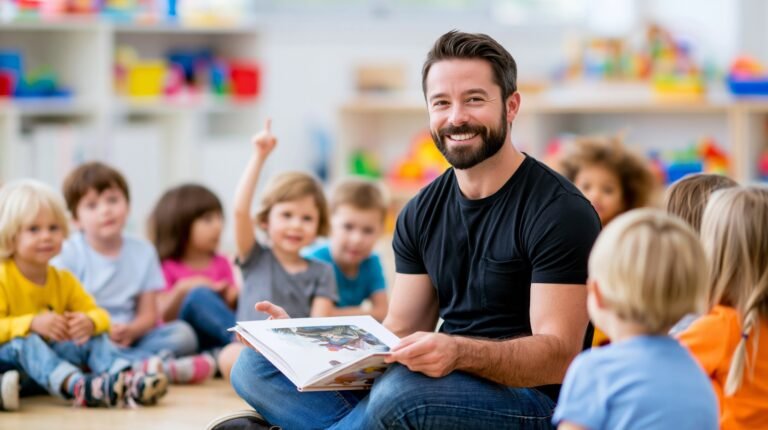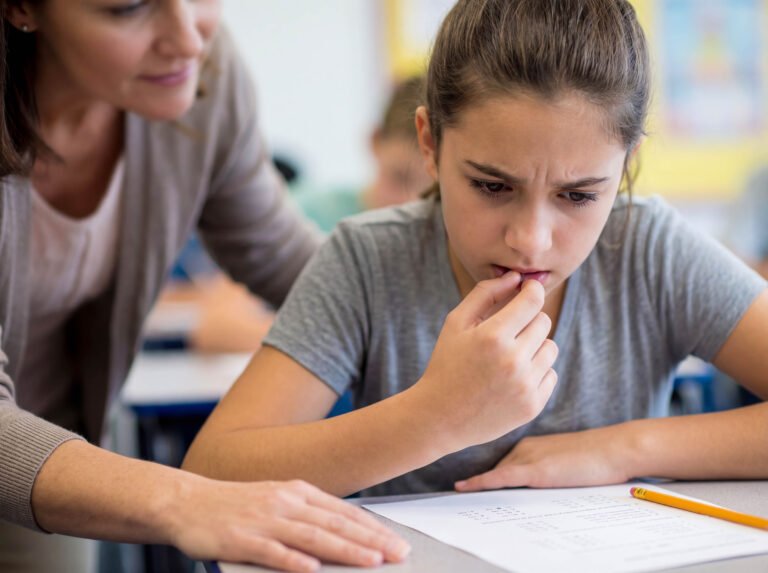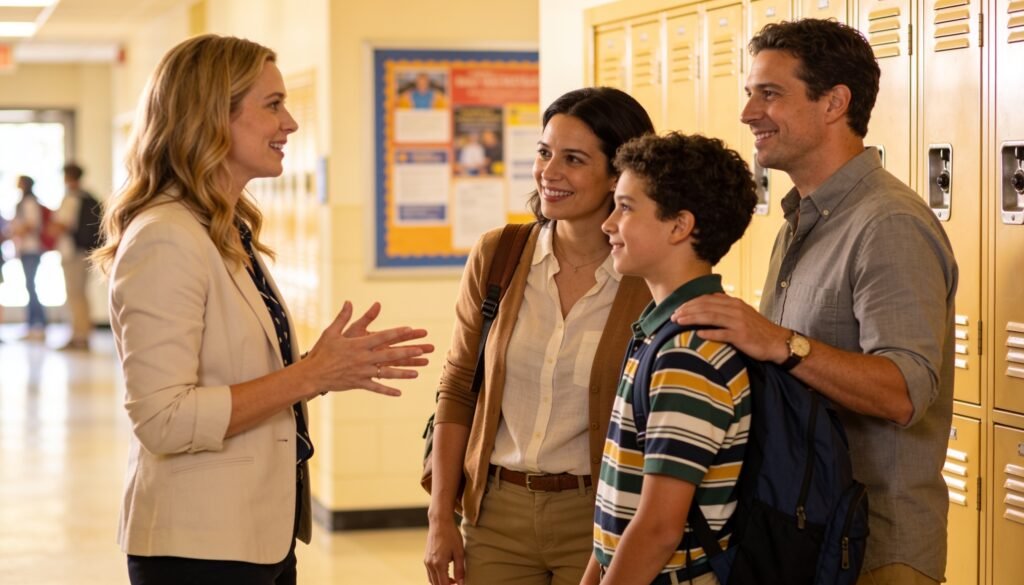
The transition to middle school is a big milestone. For some students, it brings excitement, independence, new subjects and the chance to meet new people. For others, it brings a long list of worries they may not always know how to put into words.
What if I get lost? What if none of my friends are in my classes? What if I forget an assignment? What if the work is too hard? Who do I ask if I need help?
While adults may focus on practical changes such as schedules, classrooms, lockers and different teachers, students are often thinking about something much bigger: Will I be okay there?
Preparing students for middle school isn’t only about explaining what will be different. Well-planned middle school transition activities help fifth and sixth graders understand what to expect, practice the skills they will need, talk through their worries and begin seeing themselves as capable of handling what comes next. Research on the move to secondary school suggests that many students adapt with relatively few issues, while students who report more worries beforehand are more likely to have a harder transition. That makes early, structured conversations worth the time.
1. Start Middle School Transition Activities With Students’ Own Questions
One of the best places to begin a middle school transition lesson is with the questions students are already carrying.
Students may have heard stories from siblings, friends, older students, television or social media. Some of those stories may be accurate. Others may have created unnecessary worry.
Rather than immediately telling students what middle school will be like, give them a chance to name what they are already thinking about. An anonymous question box or sticky notes on a “wonder wall” lower the pressure for students who would never ask out loud. Common questions might include:
- Will I have a lot more homework?
- What happens if I’m late to class?
- How will I find my classrooms?
- Will I still see my friends?
- What if I don’t know anyone?
- What if I forget something?
- Are the teachers stricter?
- Who can I talk to if I’m having a problem?
Sorting the questions together gives school counselors and teachers valuable insight into the concerns that may be sitting underneath a student’s excitement, avoidance, nervousness or repeated questions.
It also sends an important message: It’s okay not to know everything yet.
2. Make the Unknown More Predictable
Uncertainty can make a transition feel much bigger than it is.
Students aren’t simply moving to another building. They may be adjusting to multiple teachers, changing classrooms, different routines, increased academic expectations, greater independence, new peer groups and more responsibility for their own belongings and assignments.
One helpful transition activity is to sort students’ expectations into three categories:
What will probably change?
Students might have different teachers, more classrooms, a different schedule, new subjects or increased responsibility.
What might change?
Friendship groups, extracurricular activities, homework expectations and daily routines may look different.
What will stay the same?
Students will still have adults who can help them. They can still ask questions. They will still have strengths, interests, friendships and strategies they can take with them.
This can help shift the conversation from “Everything is going to be different” to “Some things will change, and I can learn how to handle them.”
Try this in your next session: write a handful of student questions on cards and have small groups place each one under “will probably change,” “might change” or “will stay the same.” Then ask, “Which of these could we find out more about before the first day?” A map, a short video or a visit can often turn a worry into a fact.
3. Teach Organization Skills Before Students Need Them
Middle school often asks students to manage more information and responsibility at once.
Instead of one classroom and one primary teacher keeping track of most things, students may need to remember materials, assignments, deadlines, classroom locations, schedules, devices, sports equipment and instructions from several different teachers.
For a student who already finds planning, working memory, organization or task initiation difficult, this can quickly become overwhelming.
That’s why middle school readiness should include practical executive functioning skills, not simply encouragement to “be more organized.” Students can practice strategies such as using a planner, checking their schedule, creating a routine for packing their bag, recording assignments immediately, breaking larger tasks into smaller steps, using folders consistently and having a set place for important materials.
Picture a fifth grader who forgets her homework folder twice in one week. Rather than “You need to be more responsible,” try a coaching question:
“What system could make this easier for you to remember?”
Together, you might land on a checklist taped inside her bag or a “launch pad” spot by the front door at home. That shifts organization away from being a character trait and toward being a skill that can be taught and supported. Our guide to building executive function without over-rescuing explores how to scaffold these skills.
4. Talk About Friendships and Belonging in Middle School
For many students, their biggest middle school worry has little to do with academics.
It’s friendships.
Students may wonder whether their current friendships will change, whether they’ll make new friends, where they’ll sit at lunch or whether they’ll fit in. Those worries are understandable: one study summarized in a review of transition research found that around 61% of the school peer ties students reported before the move no longer remained afterward.
It helps to normalize that friendships often change during transitions without presenting every friendship change as a crisis. Students can explore what healthy friendships look and feel like, how to start conversations with new peers, what they can do when they feel left out and how to keep existing friendships while staying open to new ones. Our article on teaching kids how to make and keep friends has more ideas for this.
This is also an opportunity to talk about belonging. The same review reports that increases in school belonging were linked with decreases in mental health problems, which is a good reason to make connection a deliberate part of transition planning.
Belonging doesn’t have to mean a huge friendship group. A student may begin to feel connected through one friend, a trusted teacher, a club, a sport, a lunchtime activity, the counselor, the library or a shared interest. Helping students identify possible places and people of connection gives them something concrete to look for when they arrive.
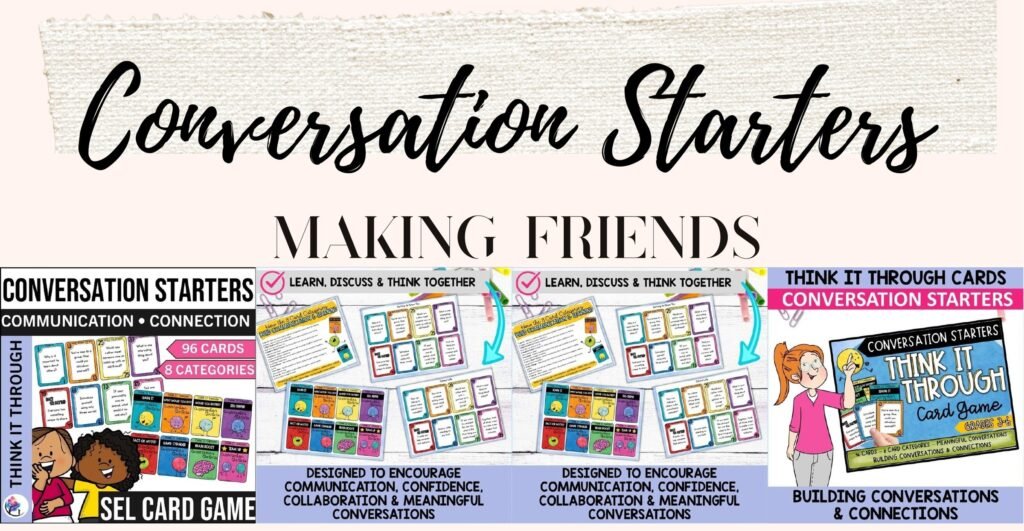
From our counseling room to yours: starting a conversation with someone new is a skill students can rehearse before the first day. Our Think It Through: Conversation Starters Card Game gives upper elementary groups low-pressure prompts for getting to know one another and taking turns in conversation. Try running it as a “new lunch table” practice round, where students rotate partners every few cards. One reviewer shared, “I pulled these out for a lunch bunch and they were an instant hit. Even my quieter students started joining in…”
5. Prepare Students for the Moments That Don’t Go to Plan
Middle school preparation shouldn’t create the expectation that everything will go smoothly.
A student might forget their homework. They might walk into the wrong classroom. They might have an argument with a friend, receive a grade they weren’t expecting, feel overwhelmed by an assignment or have a day when they don’t feel like they belong.
The goal isn’t to prevent every difficult moment. It’s to help students develop a plan for what they can do when one happens.
Try giving students realistic scenarios, such as “You open your locker and your science notebook isn’t there, and class starts in three minutes,” and asking:
What could you do first?
What could you try next?
Who could help?
What would make this problem feel more manageable?
Scenario-based middle school transition activities give students an opportunity to rehearse problem-solving and calming strategies before they are dealing with the emotions of the real situation.
Try this in your next session: pair each “didn’t go to plan” scenario with a coping strategy students can use in the moment. Our Think It Through: Coping Skills Card Game works well with small groups of fifth and sixth graders: draw a scenario, then let students choose a card and talk through whether that strategy would help in the hallway, the classroom or at home. One reviewer noted, “I love the variety of coping strategies because students can explore what genuinely works for them instead of being given the same few suggestions.”

6. Explicitly Teach Students How to Ask for Help
We often tell students, “Ask for help if you need it.”
But asking for help is a multi-step skill. A student has to recognize that they’re struggling, decide that help is appropriate, identify the right person, approach them, explain the problem and communicate what they need.
That’s a lot.
Students benefit from practicing the actual language they might use:
“I’m not sure what I’m supposed to do next. Could you explain it again?”
“I missed part of the instructions. Can you help me?”
“I’m having a problem with someone and I’m not sure what to do.”
“I’m feeling overwhelmed. Is there somewhere I can go for help?”
It can also help for students to create a support map of the adults and services available at their new school: the counselor, homeroom or advisory teacher, nurse, front office, librarian and any staff they already know. Knowing who to approach makes asking for help much easier.
7. Build Independence Without Expecting Students to Do Everything Alone
Middle school often comes with increased independence, but independence shouldn’t be confused with handling everything without support.
True independence includes knowing when you can solve something yourself and when you need assistance.
Students can begin thinking about responsibilities they already manage independently and areas where they may need more practice. For example:
I can already…
- Pack my school bag
- Complete a homework task
- Follow a schedule
- Introduce myself to someone
- Tell an adult when something is wrong
I want to get better at…
- Remembering deadlines
- Speaking up in class
- Managing my time
- Keeping track of materials
- Handling friendship problems
- Asking teachers for help
It can help to think of middle school readiness like packing for a hike on a trail you’ve never walked. You can’t know every turn in advance, and nobody expects you to. What you can do is pack well: a map of where help is, a few coping strategies you’ve practiced, the strengths you already have, and a hiking partner or two. When the trail surprises you, you don’t need to have predicted it. You reach into your pack. Students don’t need to arrive knowing how to do everything. They need a growing pack of strategies, and the knowledge that they can add to it along the way.
Bringing It Together With a Middle School Transition Lesson
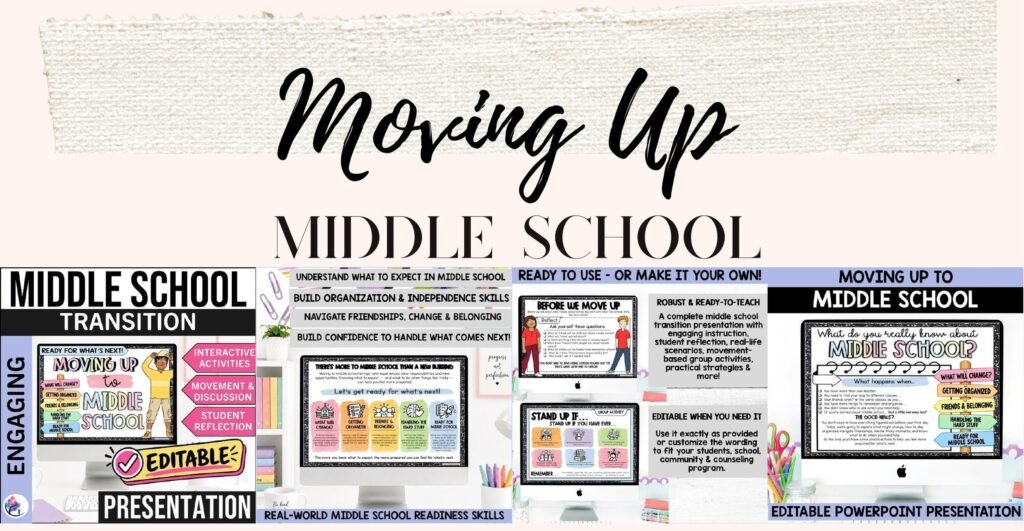
For counselors and educators who want to explore these areas in a structured way, a whole-class lesson in the final elementary year can cover the academic, social, organizational and emotional sides of the transition in one place. Look for one that invites participation, movement and reflection rather than a list of rules.
From our counseling room to yours: our Moving Up to Middle School: Ready for What’s Next? Lesson Presentation is an editable PowerPoint for upper elementary classroom guidance or small groups. It walks students through expectations, organization, changing friendships, belonging, difficult moments, asking for help and independence, through activities such as Middle School Myth vs. Reality, How Hard Would This Be?, realistic student stories and a Ready-for-Middle-School Plan. Because it is editable, you can swap in your receiving school’s routines and supports. One reviewer wrote that “It covered so many of the questions and worries students have about moving to middle school, and the interactive activities kept them engaged.”
Reinforce the Learning Through Play
A week or two after the lesson, a game offers a different way to revisit the same ideas. Students aren’t simply hearing the information again; they’re being asked to retrieve it, discuss it, apply it and problem-solve together. Our Middle School Survival Files Digital Game turns this follow-up into a detective-themed investigation across categories such as finding your way and decoding friendships. One reviewer said it “helped reduce many of my students’ worries about transitioning to middle school.”
A Simple Middle School Readiness Activity to Try
Before finishing your transition work with students, ask each student to complete these four prompts:
One thing I know about middle school now is…
One thing I can do if something feels difficult is…
One person I can ask for help is…
One thing I want to remember when I start middle school is…
Their answers don’t need to be complicated. With the student’s permission, these cards can also give the receiving school counselor a helpful starting point.
The purpose is to help students leave the lesson with something more valuable than a list of middle school facts: a personal plan for what they can do next.
Middle School Readiness Is About More Than Being “Ready”
There is no perfectly prepared middle school student. Some students will walk through the doors feeling excited. Others will be nervous. Many will feel both.
Our job isn’t to eliminate every uncertainty before they arrive. It’s to help students understand that when something changes, when they don’t know what to do, when a friendship shifts, when they make a mistake or when something feels harder than expected, they have strategies available to them.
That is what meaningful transition preparation can provide. Not a promise that middle school will always be easy, but the confidence to think:
“I might not know exactly what will happen yet, but I know what I can do when I get there.”
Frequently Asked Questions
When should middle school transition activities start?
Many schools begin in the spring of the final elementary year, with a lesson before a visit to the new school and a follow-up after. Students who are already anxious, or who have additional support needs, often benefit from starting earlier.
What are good middle school transition activities for 5th graders?
Question boxes, “will change / might change / stays the same” sorts, organization practice, conversation-starter rounds, scenario problem-solving, help-seeking scripts and a personal readiness plan all work well for this age.
How can I tell which students may need extra transition support?
Watch for students who ask the same worried questions repeatedly, avoid transition conversations, have had friendship difficulties, or already find organization hard. Research suggests students who voice more worries before the move are more likely to find it harder, so a check-in or small group for those students is a sensible next step.
Looking for practical, ready-to-use resources to support your middle school transition lessons? The All Therapy Resources Membership provides access to a growing collection of thoughtfully developed counseling activities, interactive games, and therapeutic tools designed to save preparation time while supporting meaningful, skill-focused learning.