

A child who throws a pencil, shuts down during a group activity, or bursts into tears over a small change is communicating something before they have the words to explain it. Emotional regulation activities for kids give adults a practical way to help children notice what is happening inside, identify what they need, and practice a response that feels safer and more workable.
For school counselors, therapists, educators, and caregivers, the goal is not to make children quiet or compliant. Regulation support helps them develop awareness, flexibility, and coping skills while preserving connection and dignity. The most useful activities are brief enough to use in real moments, concrete enough for a child to understand, and flexible enough to adapt across settings.
Start With Co-Regulation, Not Correction
Children learn regulation through repeated experiences of being regulated with an adult. Before asking a child to use a coping strategy independently, offer a calm voice, a predictable presence, and simple language. A dysregulated child may not be able to process a long explanation, complete a worksheet, or talk through consequences in that moment.
Try naming what you observe without judgment: “Your body looks really tense. Let’s help it settle first.” This approach is especially important for children with trauma histories, sensory differences, communication needs, or limited access to emotional language. Once the child is closer to a regulated state, reflection and skill practice become more productive.
10 Emotional Regulation Activities for Kids
1. Feelings Thermometer Check-Ins
Invite children to rate the intensity of a feeling on a visual scale, such as 1 to 5 or blue to red. Pair each zone with concrete body clues: a level 2 might include a tight jaw or fast talking, while a level 5 might include yelling, crying, or an urge to run away.
Use the thermometer proactively at the beginning of a session, class period, or transition. Over time, children begin to notice early signals instead of recognizing emotions only after they reach a breaking point. For younger children, use colors and faces. Older children may prefer a numbered scale and private check-in card.
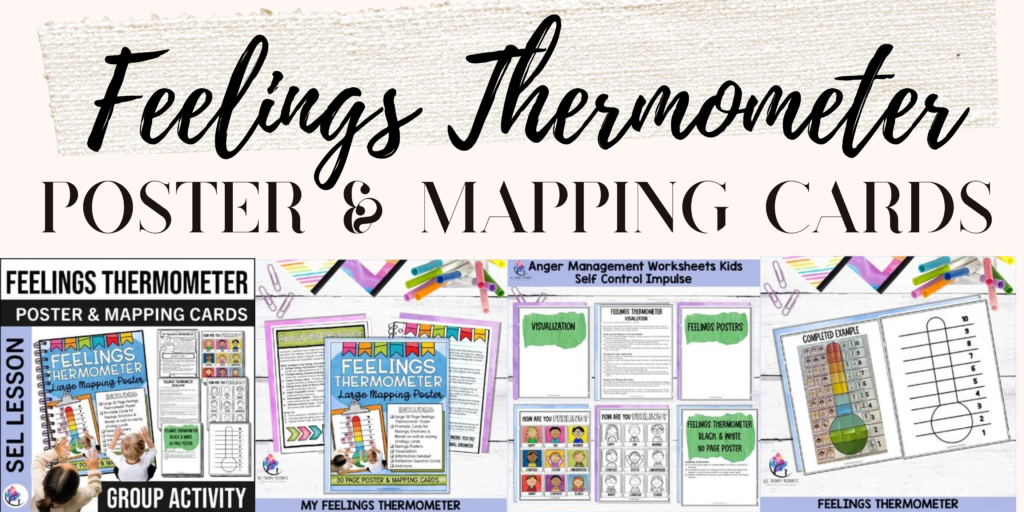
Feelings thermometers can also be incorporated into small-group counseling sessions, giving students opportunities to explore emotional intensity, recognize body cues, and discuss coping strategies together.
Our Feelings Thermometer Poster & Mapping Cards take this approach a step further with an interactive group activity where students can identify different emotions, explore where those feelings might fall on the thermometer, and consider strategies that could help at different intensity levels. With printable emotion cards, coping strategy cards, and guided reflection questions, the resource encourages meaningful conversations about emotional awareness and self-regulation in a supportive group setting.
2. Body Clue Mapping
Give children an outline of a body and ask where they feel different emotions. Anger may feel hot in the face or tight in the fists. Worry may show up as a fluttery stomach. Sadness may feel heavy in the shoulders.
This activity builds interoception, or awareness of internal body signals. It also gives children a useful bridge when they cannot yet name an emotion precisely. Rather than asking, “Why are you upset?” try, “What is your body telling you right now?”
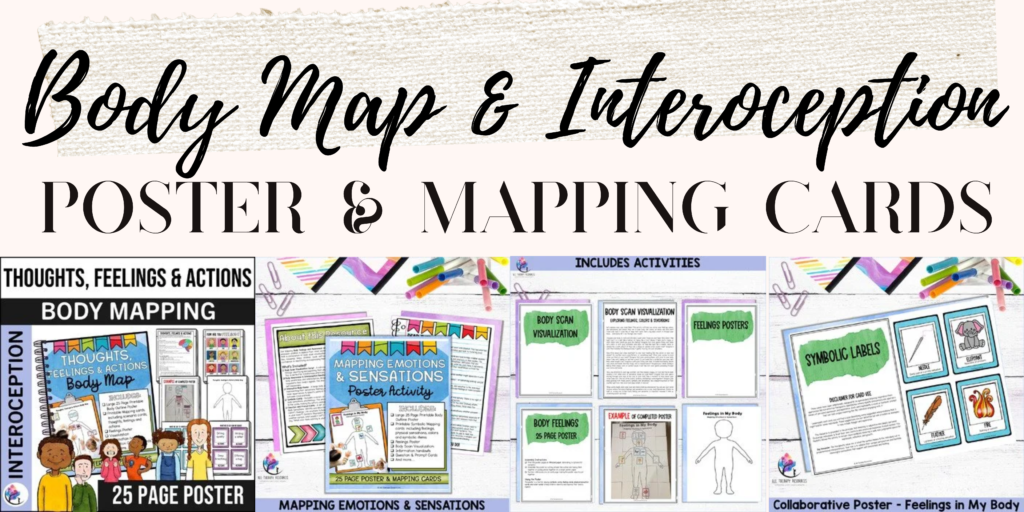
Body mapping can also become a meaningful small-group counseling activity, encouraging children to explore how different emotions and physical sensations show up in their bodies.
Our Body Mapping & Interoception Collaborative Poster offers a hands-on approach to this process. Students can use a large body outline alongside symbolic cards representing emotions, sensations, and colors to explore their individual experiences. The resource also includes a guided body scan visualization and 40 reflection prompts that encourage children to notice, describe, and make connections between their feelings and physical responses.
This collaborative approach creates opportunities for discussion, self-awareness, and emotional understanding while recognizing that every child experiences emotions differently.
3. Coping Strategy Sort
Present a small set of regulation tools on cards or slips of paper. Examples might include asking for help, getting a drink of water, squeezing a pillow, taking space nearby, drawing, using a sensory tool, or doing slow breathing. Ask the child to sort them into categories such as “works for me,” “might work,” and “not for me right now.”
This matters because a strategy is only useful if a child is willing and able to use it. Some children find breathing exercises calming; others become more frustrated when asked to focus on their breath. A personalized coping menu respects those differences and creates a realistic plan for school, therapy, and home.
Helping children recognize the difference between helpful and unhelpful coping strategies can encourage greater self-awareness and more thoughtful responses to challenging emotions.
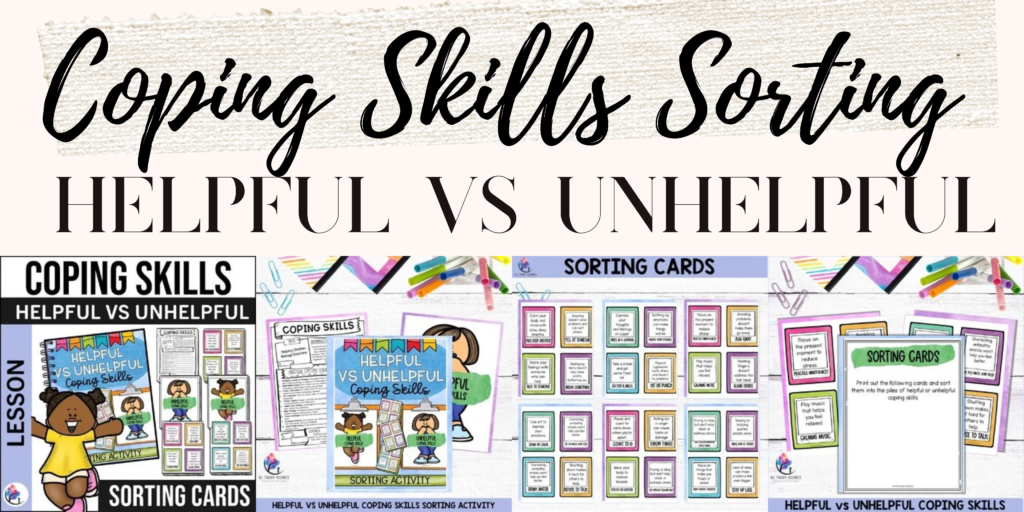
Our Helpful vs. Unhelpful Coping Skills Sorting Activity offers a hands-on way to explore these differences through interactive sorting cards and visual supports. Children can discuss different coping responses, consider how their choices might affect themselves and others, and identify strategies that may be more supportive in particular situations.
The resource also includes visual reminder posters and a parent tip sheet, making it easy to reinforce these conversations across counseling sessions, classrooms, and home environments. Encouraging children to reflect on what works for them helps turn coping skills education into practical, individualized learning.
4. Five-Senses Grounding Hunt
Ask the child to identify five things they can see, four things they can feel, three things they can hear, two things they can smell, and one thing they can taste or remember tasting. Keep the pace gentle and adapt the numbers for younger children.
Grounding is often helpful when a child is overwhelmed, worried, or stuck replaying a difficult event. It shifts attention toward the present environment. In a classroom, a quieter version can involve noticing three colors, two sounds, and one supportive object nearby.
Five-senses grounding activities can be a helpful introduction to mindfulness, encouraging children to slow down, notice their surroundings, and reconnect with the present moment.
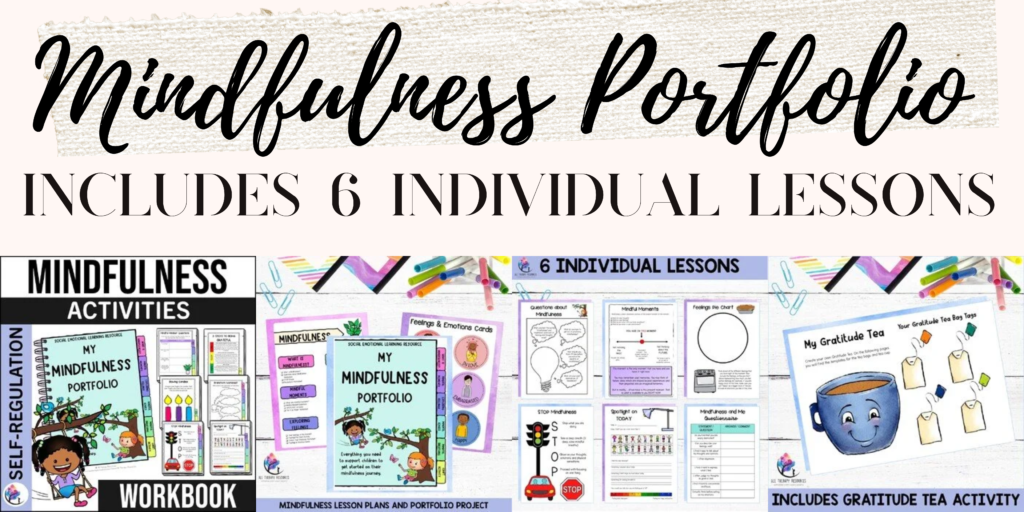
Our Mindfulness Activities Lesson Plans & Portfolio Project builds on these skills through a collection of structured, interactive lessons exploring emotional awareness, mindful senses, breathing techniques, and self-reflection.
The portfolio includes a dedicated Mindful Senses section featuring the 5-4-3-2-1 grounding technique, body scan activities, and mindfulness worksheets. Children can explore these strategies through guided activities while developing a personalized collection of tools they can revisit during counseling sessions, classroom activities, or at home.
Available in both English and Spanish, the portfolio offers flexible opportunities to introduce mindfulness and grounding strategies to a wider range of learners.
5. Movement Break Menu
Regulation is not always a seated activity. Some children need movement before they can think, listen, or problem-solve. Offer brief options such as wall pushes, chair push-ups, animal walks, carrying a stack of books, stretching, or a short walk with a trusted adult.
Choose movement based on the child and the setting. Fast movement may help one child release energy but further activate another. Occupational therapy-informed consultation can be especially valuable when sensory needs significantly affect participation, safety, or daily functioning.
Movement breaks can be a practical way to help children release energy, reconnect with their bodies, and prepare to return to learning. Having a variety of movement options available also allows educators and therapists to adapt activities to children’s interests, abilities, and individual regulation needs.
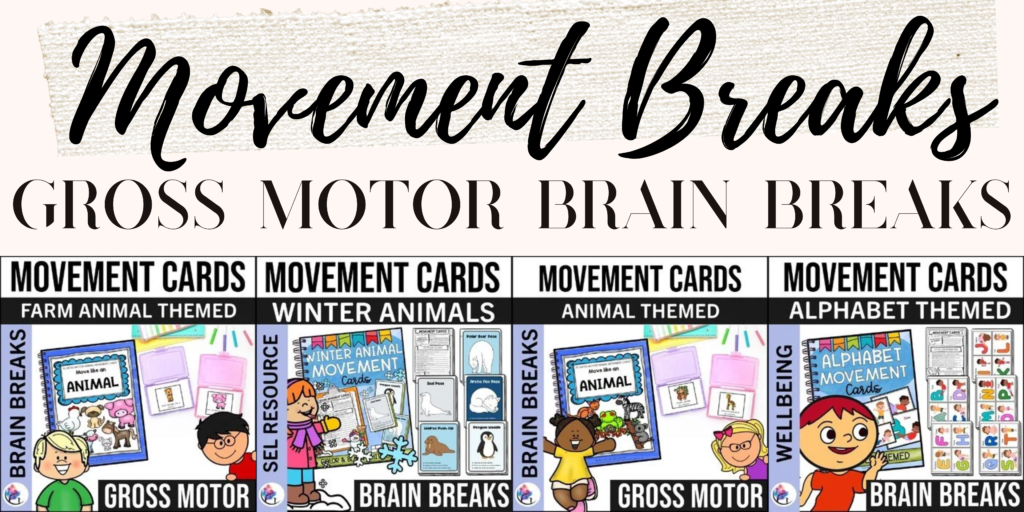
At All Therapy Resources, our themed Movement Cards offer playful, ready-to-use ideas for incorporating physical activity into counseling sessions, classrooms, and therapy settings.
Explore some of our movement-based activities:
- Alphabet Movement Cards: Combine letter recognition with movement challenges that encourage coordination, balance, and gross motor development.
- Zoo Animal Movement Cards: Invite children to stretch, jump, crawl, and move like different animals while exploring body awareness and coordination.
- Farm Animal Movement Cards: Bring familiar farm animals into movement breaks through imaginative gross motor activities.
- Winter Animal Movement Cards: Introduce animal-inspired movement challenges that offer opportunities for active participation and playful learning.
These activities can be used as short brain breaks, movement stations, or part of a personalized movement menu, helping children discover which types of movement feel most supportive for them.
6. Draw the Trigger-Thought-Feeling-Choice Chain
Use four connected boxes labeled trigger, thought, feeling, and choice. A child might draw a peer not choosing them for a game, think “Nobody likes me,” feel hurt and angry, then choose to yell or walk away. Together, identify another possible choice for the same situation.
The purpose is not to imply that children cause their own distress through thoughts. Rather, the activity helps them see that a pause can create options. Keep the language developmentally appropriate and avoid pushing a child to reframe an experience before they feel understood.
7. Calm Corner Practice When Calm
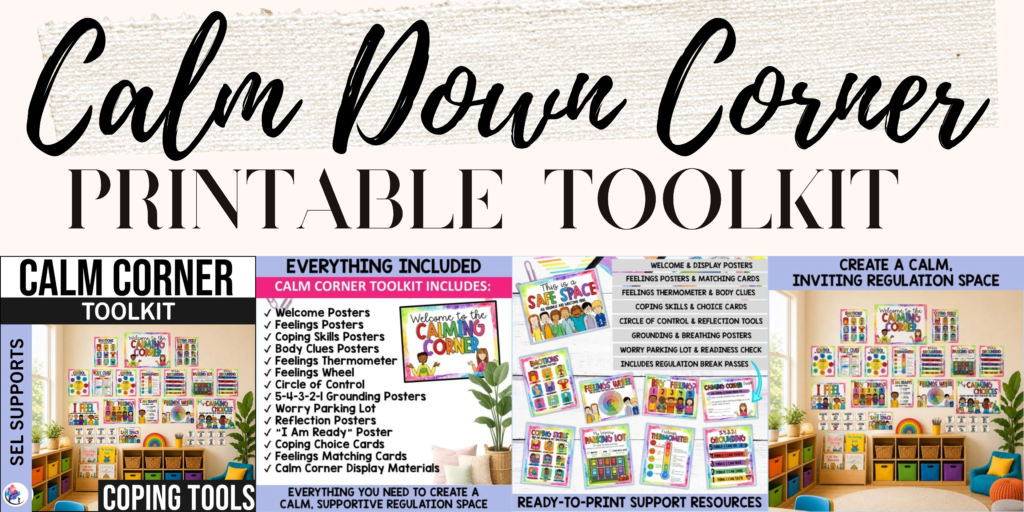
A calm corner works best when it is introduced outside of a crisis. Show children what is available there, such as feeling cards, a timer, paper and crayons, sensory supports, coping prompts, or a simple visual breathing guide. Practice how to ask for a break, use the space, and return to the activity.
A calm corner should not feel like isolation or punishment. It is a supportive regulation space, and access should be paired with adult guidance when needed. For some students, a designated adult check-in or brief walk may be more regulating than remaining alone in a corner.
A well-designed calm corner is more than a quiet space in the classroom. It can become a supportive environment where children learn to recognize their emotions, explore coping strategies, and practice self-regulation skills before they need them during challenging moments.
Our Calm Down Corner Toolkit brings these elements together through a comprehensive collection of visual supports and interactive activities. From feelings thermometers and body cue posters to coping choice cards, breathing strategies, and 5-4-3-2-1 grounding visuals, the toolkit provides practical opportunities to introduce and reinforce emotional regulation skills.
It also includes calming corner passes, reflection prompts, and an “I Am Ready” return-to-learning checklist, helping educators establish clear, supportive routines for using the space and transitioning back to classroom activities.
Whether you’re creating a calming corner, regulation station, or reset space, these resources can help make emotional regulation strategies more accessible, predictable, and meaningful for students.
8. Story-Based Problem Solving
Use a short, low-stakes scenario about a fictional child facing a frustrating moment: losing a turn, receiving feedback, being left out, or dealing with an unexpected change. Ask what the character might feel in their body, what could make the moment harder, and what could help.
Talking about a character can lower defensiveness and give children practice with emotional vocabulary. It is also a helpful entry point for small groups, where asking children to disclose personal experiences may not be appropriate or comfortable.
9. Regulation Role-Play
Practice a specific routine for common challenges: asking for a break, responding to teasing, handling a corrected mistake, or rejoining a group after becoming upset. Keep the role-play short and predictable. Model the words first, then let the child try with support.
A useful script may be as simple as, “I am getting frustrated. I need two minutes,” or, “Can you help me figure out what to do next?” Rehearsal does not guarantee use under stress, but it makes the language more available when the moment arrives.
10. Build a Personal Reset Plan
Help the child create a small visual plan with three steps: notice, reset, reconnect. Under “notice,” include their early warning signs. Under “reset,” include two or three strategies they have practiced. Under “reconnect,” include a manageable next step, such as returning to work, checking in with an adult, or repairing a relationship.
Keep the plan specific and portable. A kindergarten student may use pictures, while an older student may prefer a discreet card in a planner or phone note. Review and revise the plan after real situations, since regulation needs can change across environments and developmental stages.
Make Activities Transfer Beyond the Session
A regulation skill becomes more useful when the adults around a child use similar language and expectations. When appropriate, coordinate with caregivers, teachers, and related service providers around one or two shared strategies. A child is more likely to use a break request if adults respond consistently and the routine is practiced before distress escalates.
Document what you observe: the triggers, body cues, supports offered, degree of prompting, and recovery time. This information can guide intervention planning and help teams distinguish between a child who needs more explicit skill instruction, more environmental support, or both. It also keeps the focus on patterns rather than assumptions about motivation.
For children whose emotional responses are frequent, intense, or affecting safety and functioning, general regulation activities should be part of a broader, individualized support plan. Collaboration with qualified professionals and families helps ensure that strategies remain trauma-informed, developmentally appropriate, and responsive to the child’s needs.
The most meaningful practice often happens in small moments: noticing clenched hands before anger grows, offering a predictable break, or helping a child find words after tears. Each supported repetition sends the same message: feelings are manageable, support is available, and there is more than one way to respond.
More Resources. Less Prep. More Time for Your Students.
Supporting children’s emotional regulation takes time, patience, and access to practical tools that meet their individual needs. Having the right resources readily available can make planning easier and help you focus on what matters most: the children you’re supporting.
That’s why we’ve created the ATR Membership, giving school counselors, therapists, educators, and other helping professionals access to an extensive and continually growing library of ready-to-use resources.
From emotional regulation activities and coping skills tools to counseling interventions, behavior supports, social-emotional learning materials, and professional practice resources, there’s always something new to explore.