Choosing a social emotional learning curriculum can feel overwhelming. There are glossy boxed programs, free lesson collections and everything in between, and as a school counselor you are often the person expected to choose one, teach it and show that it works.
This guide looks at SEL curriculum from a school counselor’s point of view: what the research says makes SEL effective, how to judge whether a curriculum fits your students and how to deliver it in a way that feels safe, practical and connected to the rest of your counseling program.
What an SEL Curriculum Should Cover
Most schools use the CASEL framework, which describes five interrelated competencies: self-awareness, self-management, social awareness, relationship skills and responsible decision-making (Greater Good in Education, UC Berkeley). A good SEL curriculum for school counselors addresses all five across the year rather than focusing on one popular topic.
If you would like a refresher on these skills at the elementary level, our article on core social-emotional skills for kids breaks them down with examples.
What Makes SEL Effective: The SAFE Features
In a large meta-analysis of 213 school-based universal SEL programs, Durlak and colleagues found that programs were more effective when they followed four practices, summarized as SAFE: Sequenced, Active, Focused and Explicit (Durlak et al., 2011). The same review found that problems with implementation weakened results, which is a useful reminder that delivery matters as much as content.
| SAFE feature | What it means | What to look for in a curriculum |
|---|---|---|
| Sequenced | Skills build step by step in a connected order | A clear scope and sequence across grades, not stand-alone activities |
| Active | Students practice skills, not only hear about them | Role plays, games, partner tasks and real-life scenarios |
| Focused | Time is set aside specifically for skill building | Regular, protected lesson time with a single skill per lesson |
| Explicit | Each lesson names the skill it targets | Student-friendly objectives and language students can reuse |
Want to see active, game-based practice? Browse our digital counseling games or read our ideas for emotional regulation games for kids.
How to Choose an SEL Curriculum for Your School
Before you commit, look at a curriculum through five questions:
- Fit: does it match your students’ ages, reading levels and the needs your data shows?
- Practice: does every lesson include active practice, not only discussion?
- Safety: is it trauma-informed? Activities should invite sharing, never require personal disclosure in front of peers.
- Flexibility: can you adapt it for small groups, individual sessions and different cultural contexts?
- Preparation time: can you realistically teach it next week with the time you have?
Try this in your next session: Offer “pass” as a respected option in every SEL discussion. You might say, “You can share an idea, share someone else’s idea or say pass. All three are fine.” Students who feel safe to pass are often the ones who choose to join in later.
Teaching SEL Across the Tiers
An SEL curriculum is strongest when the same language and skills appear at every tier. Tier 1 classroom lessons teach the skill to everyone. Tier 2 small groups give extra practice to students who need it. Tier 3 individual sessions personalize the skill for a specific student.
Picture a sixth grader who learned to “notice, name and reframe” a worried thought in a classroom lesson. When she later joins a small group for test anxiety, the counselor uses the same three words, and in an individual session she adds her own coping plan. The skill feels familiar, so she can focus on using it.
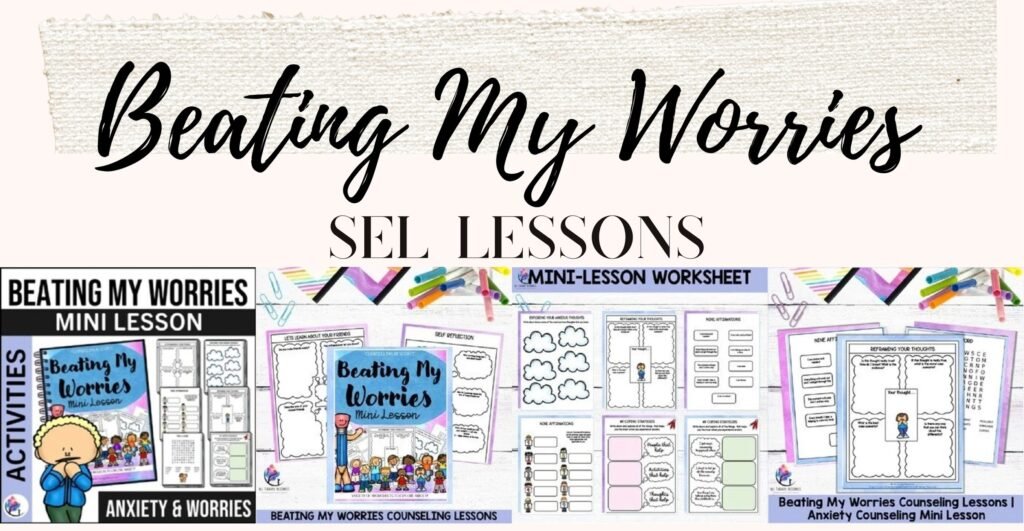
From our counseling room to yours: the Beating My Worries SEL Lessons teach students to recognize worry, reframe unhelpful thoughts and choose coping skills, and they work in classroom lessons, groups and individual sessions. One counselor called them “Great resources and low prep! It was easy for my students to follow and fill in the sheets,” and another shared that “So many great self-reflective conversations were had based on this mini-lesson.”
Keeping SEL Engaging All Year
Engagement often drops midyear. Short games are an effective way to revisit skills without reteaching a full lesson. A five-minute game at the start of a session can review feelings vocabulary, coping strategies or problem solving before you move on to new content.
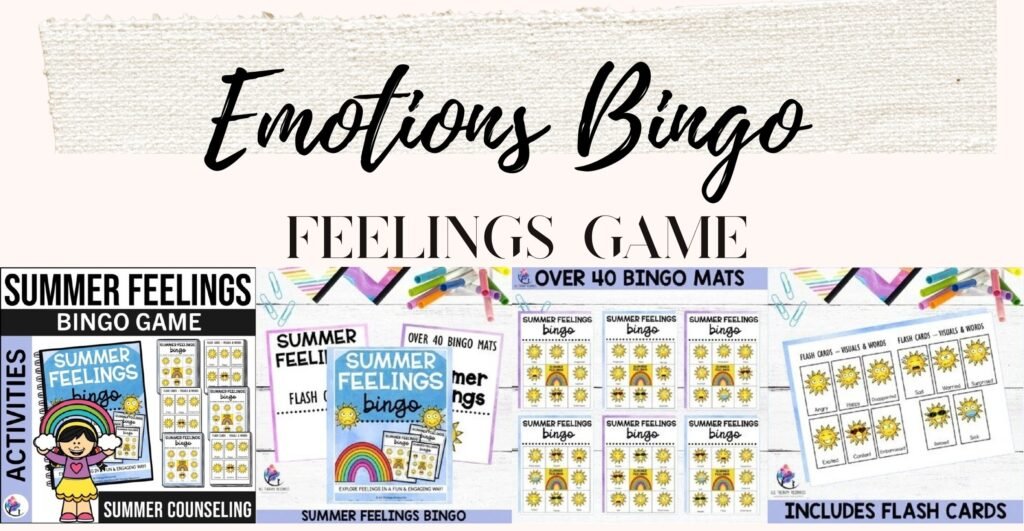
Try it as a warm-up: Emotions Bingo helps younger students identify and recognize feelings while having fun, and it works well for groups and class lessons. A reviewer described it as a great “grab and go” activity for sessions.
Measuring Whether Your SEL Curriculum Is Working
You do not need complex tools. Combine one or two of these:
- A short student self-rating before and after a unit (for example, “I know two ways to calm my body”)
- Teacher observations of the targeted skill during class
- Trends in referrals, behavior incidents or attendance over a semester
- Exit tickets that ask students to apply the skill to a real situation
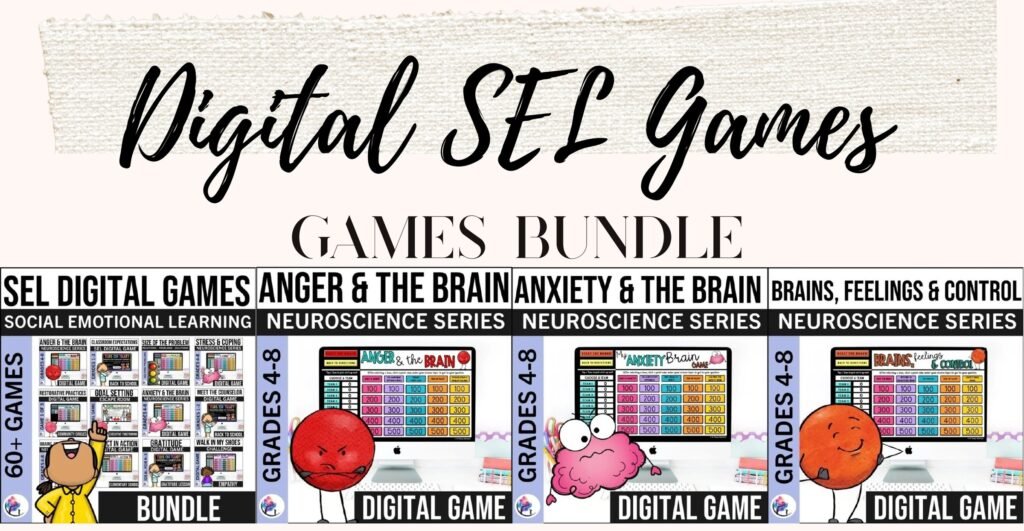
For ongoing practice: the Digital SEL Games Bundle brings together interactive counseling games on emotional regulation, coping and growth mindset, so you can rotate skill practice through the year in class lessons, groups or individual sessions.
Frequently Asked Questions
Is SEL evidence-based?
Many universal SEL programs have been studied, and meta-analytic research has found positive effects on skills, behavior and academic performance on average. Effects vary by program and by how well it is implemented, so look for curricula that follow the SAFE practices and are delivered consistently.
How often should SEL lessons be taught?
Consistency matters more than length. Short, regular lessons with practice in between generally serve students better than occasional long sessions.
Who should teach SEL: counselors or teachers?
Both. Counselors often lead lessons and train staff, while teachers reinforce the same language daily. Shared vocabulary across adults is one of the most useful things you can build.
How do I make SEL trauma-informed?
Keep routines predictable, avoid forced disclosure, offer choice, teach regulation before reflection and know your school’s procedures if a student shares something concerning.
Looking for practical, ready-to-use resources to support your SEL curriculum? The All Therapy Resources Membership provides access to a growing collection of thoughtfully developed SEL activities, interactive games, and therapeutic tools designed to save preparation time while supporting meaningful, skill-focused learning.