

There are some lessons children will remember long after they forget spelling words, math facts, or worksheets.
The feeling of safety is one of them. Not just physical safety. But emotional safety too.
The kind of safety where a child knows:
“My body matters.”
“My feelings matter.”
“I can say no.”
“I can ask for help.”
“I deserve to feel safe.”
These conversations can feel incredibly heavy for adults sometimes.
Parents worry about saying the wrong thing.
Teachers worry about scaring children.
Counselors try to balance honesty with emotional safety.
Schools often wonder how to approach these topics gently and appropriately.
But one thing I’ve learned over the years is this: Children do not need fear-based safety education.
They need calm, empowering, relationship-based conversations that help them build awareness, confidence, body autonomy, and trust in safe adults.
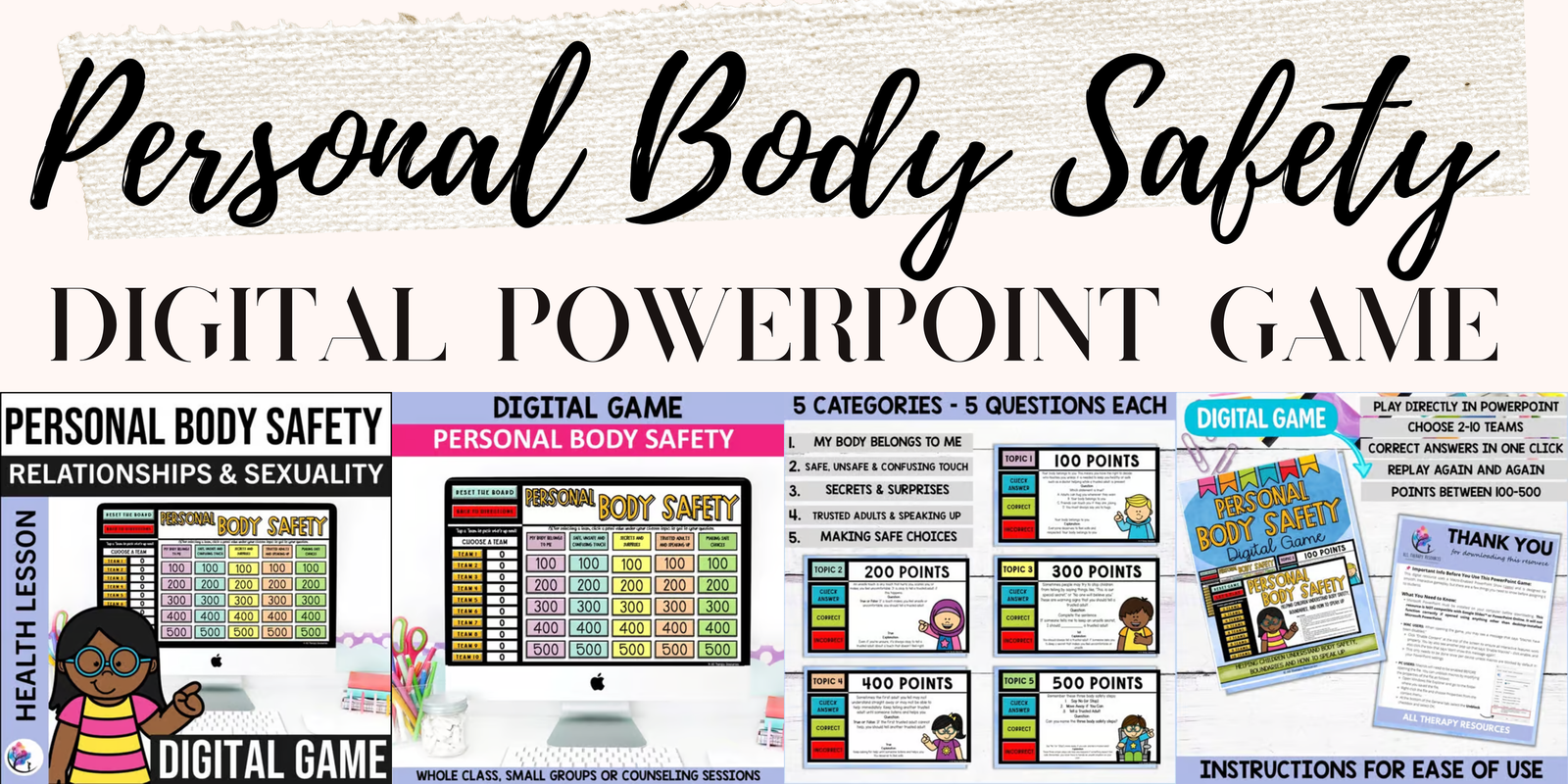
That is why we care so deeply about personal safety education and why we created our My Safety Matters and Erin’s Law digital SEL lessons.
Because protective education should never feel frightening. It should feel empowering.
Children Often Feel Things Before They Have Words for Them
One of the most important things adults can understand is that children often notice discomfort in their body long before they can explain it clearly.
Sometimes it looks like:
- Suddenly going quiet
- Avoiding certain people
- Tearfulness
- Withdrawal
- Clinginess
- Anxiety
- Anger
- “Behavior problems”
- Shutting down
And often adults unintentionally miss the deeper message underneath. Because children rarely say: “I don’t feel emotionally safe.” Instead, their nervous system speaks first. That is why teaching body awareness is so important.
Helping children notice:
- “My tummy feels funny.”
- “I feel shaky.”
- “I want to move away.”
- “I feel scared.”
- “Something feels uncomfortable.”
These are not just emotional skills. They are protective skills.
Personal Safety Education Should Feel Calm, Not Frightening
I think sometimes adults hear topics like Erin’s Law, personal safety, unsafe touch, or abuse prevention and immediately feel anxious. These can feel like heavy subjects, especially when we are thinking about how to introduce them to children.
But trauma-informed personal safety education is not about overwhelming children with fear. It is about helping them build awareness, confidence, assertiveness, emotional vocabulary, an understanding of boundaries, help-seeking skills, and trust in safe adults.
Children do not need graphic information or frightening messages in order to learn how to protect themselves. They need clarity, reassurance, gentle repetition, and opportunities to practice protective skills in ways that feel safe and developmentally appropriate.
When children feel calm and emotionally safe during learning, we can create space for these important conversations without making the world feel frightening. The goal is not fear. The goal is to help children feel informed, confident, supported, and able to speak up when they need help.
The Power of Teaching Children: “Your Body Belongs to You”
This might sound like a simple message, but for many children, “Your body belongs to you” can be incredibly powerful. This is especially important for children who struggle to say no, worry about upsetting adults, feel pressure to always be polite, freeze when they feel uncomfortable, are highly compliant, or fear getting into trouble.
One thing I often notice is that children are taught a great deal about kindness, but not always enough about boundaries. Those two things need to exist together. A child can be respectful, kind, and caring while still understanding that they are allowed to have boundaries.
They can learn that they are allowed to say no, move away from something that makes them uncomfortable, ask for help, and tell a trusted adult when something doesn’t feel right. They can also learn that they do not have to keep unsafe secrets and that they deserve to feel safe.
Teaching these messages isn’t about taking kindness or respect away. It is about helping children understand that being kind does not mean ignoring their own feelings, comfort, or safety.
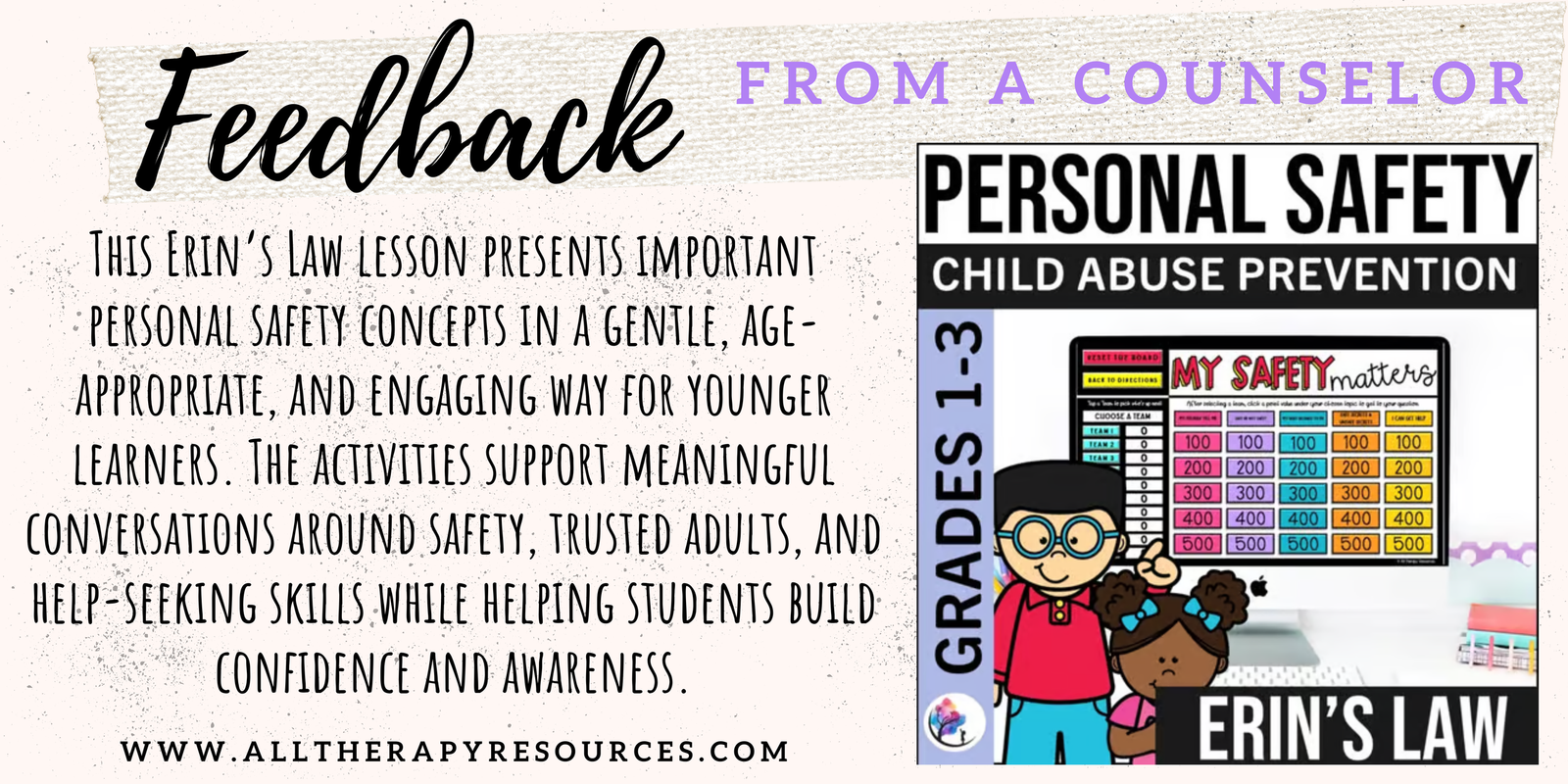
That is why our My Safety Matters digital games collection focuses so heavily on helping students build confidence and understanding around safe choices, personal boundaries, feelings, help-seeking, and trusted adults.
Safe and Unsafe Secrets: One of the Most Important Conversations We Can Have
This is one of the biggest areas where children need clarity. Because many unsafe situations rely on silence.
And children are often taught messages like:
- “Don’t tell.”
- “Keep secrets.”
- “Be good.”
- “Don’t get someone in trouble.”
- “Don’t hurt people’s feelings.”
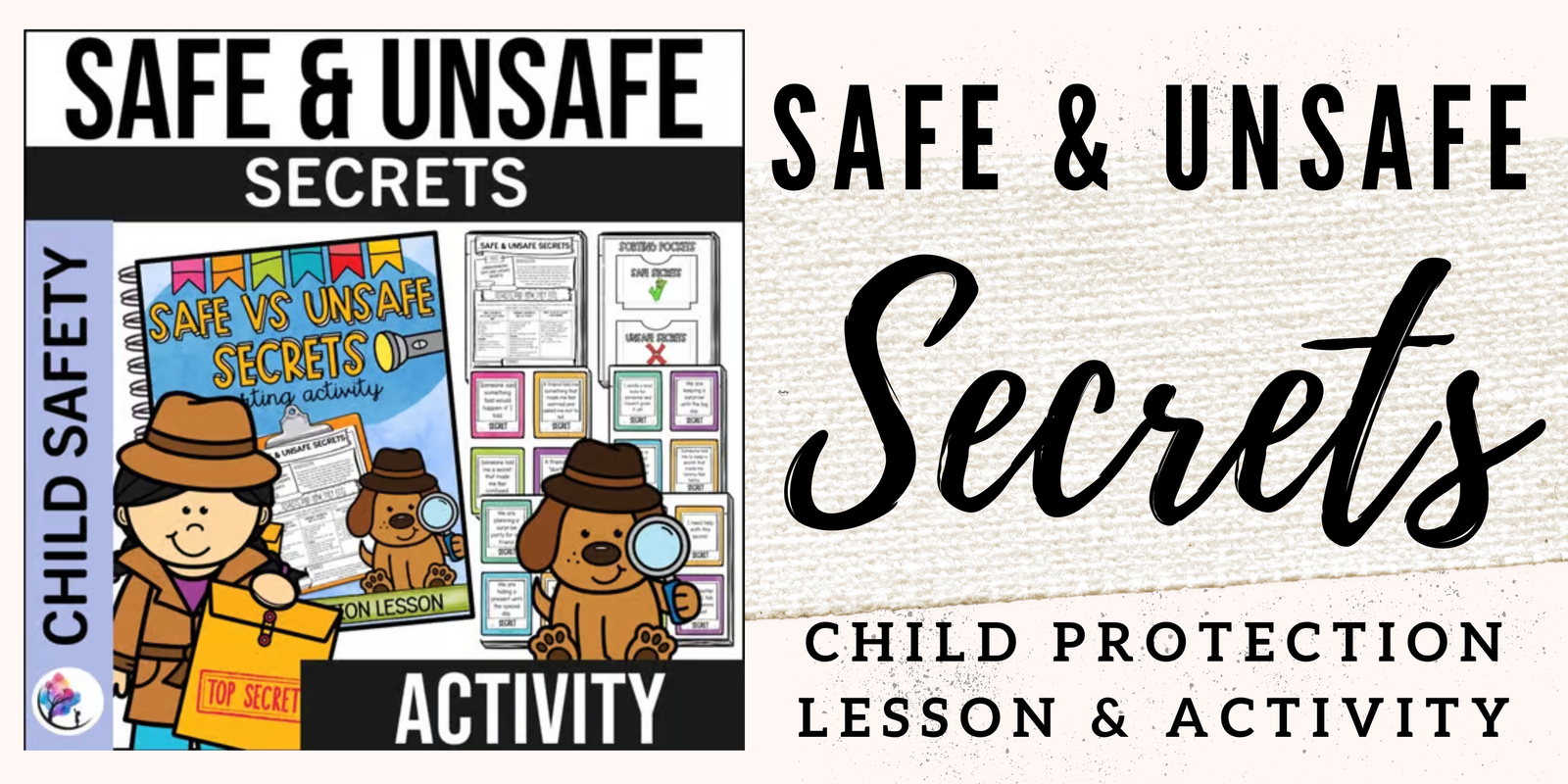
But children need help understanding that some secrets feel very different in the body.
Safe secrets often feel:
- exciting
- temporary
- fun
Unsafe secrets often feel:
- heavy
- scary
- confusing
- worrying
- uncomfortable
One thing we always try to reinforce gently is:
“If a secret makes you feel unsafe, scared, confused, or worried, it is important to tell a trusted adult.”
And importantly:
children also need to hear that they can keep telling until someone helps.
Because some children stop asking after the first unsuccessful attempt to seek support.
Feelings Are Important Safety Clues
It’s important to teach children that feelings are not “bad.”
Feelings give us information.
Fear.
Discomfort.
Confusion.
Nervousness.
These feelings can act like internal safety signals.
Many adults were raised to ignore their own discomfort.
So helping children learn:
“You can listen to your feelings”
can become incredibly protective over time.
Not every uncomfortable feeling means danger.
But children deserve opportunities to build awareness around what safety feels like emotionally and physically.
Older Students Need Different Safety Conversations
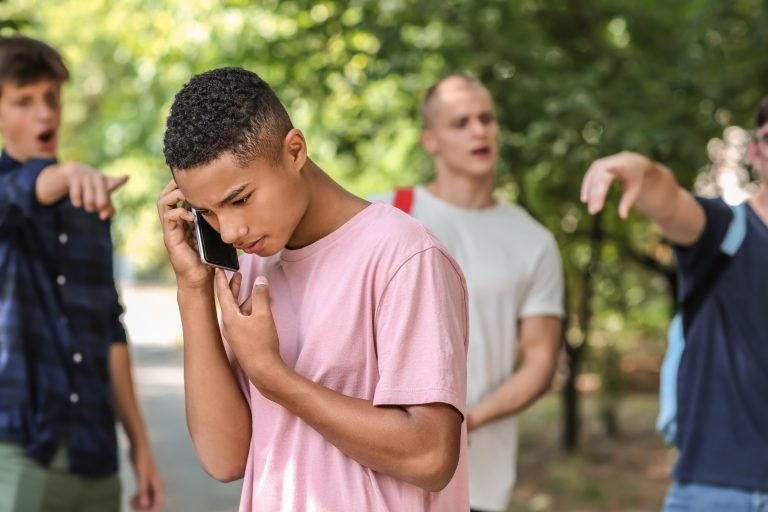
As children grow, personal safety education needs to evolve too. For older students, safety conversations often expand beyond basic protective behaviors to include peer pressure, online safety, consent, healthy relationships, emotional manipulation, friendship boundaries, social pressure, and assertive communication.
Middle school students, in particular, are navigating increasingly complex social situations. Many are deeply concerned about standing out, upsetting their peers, saying no, losing friendships, or being judged. These pressures can make it difficult for students to recognize and communicate their own boundaries, particularly when maintaining friendships or fitting in feels incredibly important.
That is why older students need realistic, emotionally safe opportunities to think critically about relationships, boundaries, respect, communication, and personal safety. Rather than simply telling students what they should or shouldn’t do, we can give them opportunities to explore realistic situations, consider different choices, and practice how they might respond.
Our Erin’s Law and Healthy Relationships digital games were created with these developmental differences in mind, giving educators, counselors, and other helping professionals an engaging, age-appropriate way to open meaningful conversations with older students.
Get the Tea with Angie
One thing I’ve learned from sitting with children over the years is this: children often carry far more than adults realize.
Sometimes the child who laughs everything off is actually watching the room carefully for safety. Sometimes the “clingy” child is searching for reassurance. Sometimes the angry child is feeling powerless. And sometimes the overly compliant child is terrified of disappointing people.
Some children have never truly been taught that their voice matters, either. That is why personal safety education matters so deeply to me.
Not because I want children to become fearful, but because I want them to grow up understanding that they deserve respect, their feelings matter, boundaries matter, safe adults listen, they are allowed to ask for help, and they are worthy of safety and care.
I think when these lessons are taught gently and consistently, they become part of how children begin viewing themselves.
Not powerless. But capable.
Why Interactive SEL Lessons Can Feel Safer for Students
Children often open up more through interactive learning than through direct questioning. Games and scenario-based activities can reduce some of the pressure of talking about personal experiences while still giving students opportunities to practice decision-making, explore feelings, discuss situations safely, build confidence, and strengthen protective thinking.
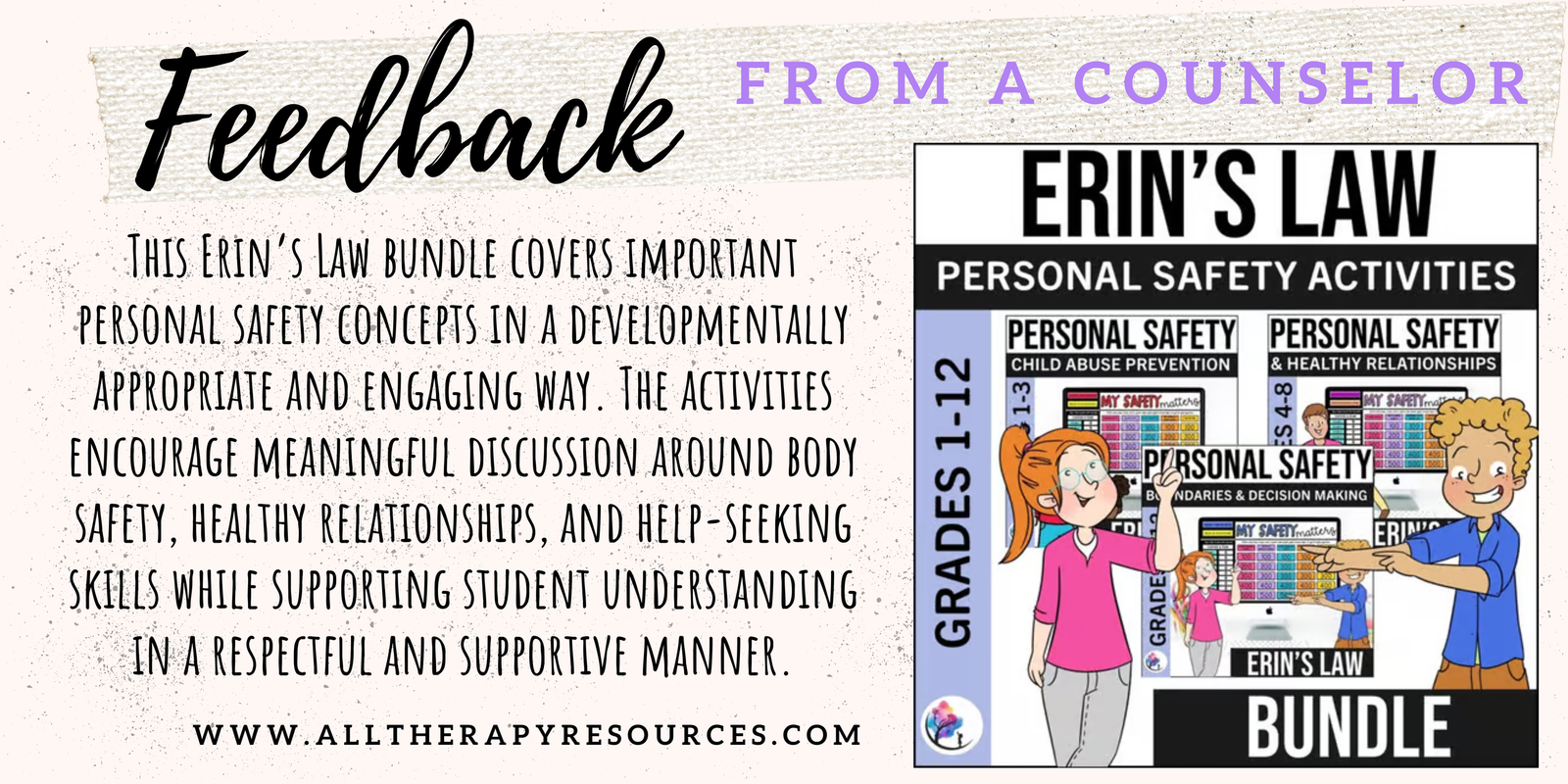
That is exactly why we created our My Safety Matters and Erin’s Law digital SEL resources. These activities help students explore important personal safety concepts including safe and unsafe secrets, trusted adults, boundaries, body awareness, feelings, healthy relationships, and help-seeking skills.
Rather than approaching these conversations in a way that feels overwhelming or fear-based, the activities are designed to provide a supportive, empowering, trauma-informed, emotionally safe, and developmentally appropriate way to explore these important topics.
For some children, having a scenario to respond to or a character to think about can make a difficult conversation feel a little less personal. They can explore “What could this person do?” before ever having to talk about “What would I do?” — and sometimes, that small amount of distance can make a meaningful difference.
Remember
Personal safety education is not about teaching children to fear the world. It is about helping them develop the confidence to trust themselves, recognize when something feels safe or uncomfortable, know when they need support, understand when they deserve help, and feel empowered to use their voice.
At the heart of personal safety education are some simple but powerful messages that every child deserves to know: “My body matters. My feelings matter. I deserve to feel safe. I can ask for help.”
When these messages are reinforced gently and consistently, they can become more than something a child learns in a lesson. They can become part of how they understand themselves, their boundaries, and their right to seek support.
Those are messages that can stay with children for a lifetime.
Frequently Asked Questions
What is trauma-informed personal safety education?
Trauma-informed personal safety education focuses on empowerment, emotional safety, gentle communication, body awareness, and help-seeking skills without using fear, shame, or overwhelming language.
How do you teach children about safety without scaring them?
Children learn best through calm, age-appropriate, supportive conversations that focus on body autonomy, trusted adults, boundaries, and emotional awareness rather than fear-based messaging.
Why are safe and unsafe secrets important to teach?
Teaching children the difference between safe and unsafe secrets helps them recognize situations that may feel scary, confusing, or unsafe and encourages them to seek help from trusted adults.
Why is body awareness important for personal safety?
Body awareness helps children recognize feelings of discomfort, fear, or unsafety and supports emotional regulation, self-advocacy, and protective decision-making.
What are effective SEL activities for Erin’s Law lessons?
Interactive digital games, role play, scenario discussions, sorting activities, feelings-based learning, and trusted adult activities are highly effective for teaching personal safety concepts in engaging and developmentally appropriate ways.
Continue Supporting Personal Safety Through Safe, Empowering Conversations
Teaching personal safety is not about frightening children.
It is about helping them build body safety awareness, emotional safety, confidence, boundaries, help-seeking skills, and trusted support systems in ways that feel calm, developmentally appropriate, and emotionally safe.
Inside the All Therapy Resources Membership, you’ll find a growing collection of trauma-informed SEL, counseling, personal safety, and wellbeing resources designed to help children:
• understand body safety and personal boundaries
• identify trusted adults and support systems
• strengthen emotional awareness and communication
• build confidence speaking up and asking for help
• learn protective behaviors without fear or shame
• develop safety skills through safe, age-appropriate learning experiences
All of the My Safety Matters activities discussed throughout this article are already included inside the membership, alongside counseling supports, SEL games, emotional regulation resources, and wellbeing activities designed to support the whole child.
At ATR, we believe children learn personal safety best when conversations are grounded in emotional safety, trust, empowerment, and connection — not fear, silence, or shame.
Because every child deserves to feel: “My body matters. My voice matters. My safety matters.”