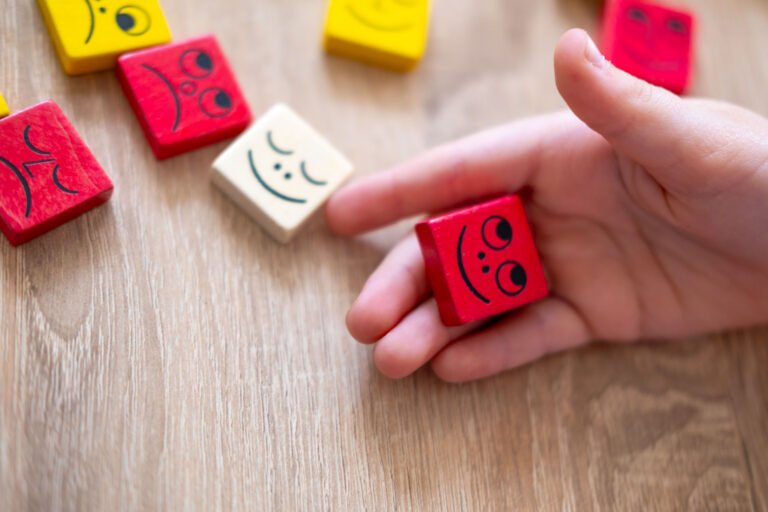
When a student shouts out, refuses work, shuts down or lashes out, it is tempting to focus on stopping the behavior as quickly as possible. Effective behavior support in schools starts a step earlier: understanding what the behavior is communicating, then putting the right level of support around the student. This guide covers common behaviors of concern, why they happen, and how a tiered approach such as PBIS helps educators, counselors and families respond with consistency and care.
What are behaviors of concern?
Behaviors of concern are behaviors that get in the way of a student’s learning, safety, relationships or well-being, or the learning of others. They can be loud and visible, like verbal outbursts or aggression, or quiet and easy to miss, like withdrawal. What usually makes a behavior “of concern” is its intensity, frequency or duration and the impact it has, rather than a single incident.
Common examples include:
- Aggression: physical or verbal acts that hurt or threaten others, such as hitting, kicking or threats.
- Disruptive behavior: calling out, frequently leaving the seat or not following directions in ways that interrupt learning.
- Withdrawal: avoiding peers, disengaging from class activities or not speaking to classmates or teachers.
- Defiance: refusing directions or challenging rules and adults, in words or actions.
- Destructive behavior: damaging property, such as breaking objects or tearing up materials.
Why behaviors of concern happen
Behavior is a form of communication. Before choosing a response, it helps to ask what the behavior might be helping the student to get, avoid or express. Common contributing factors include:
- Trauma and adversity: students who have experienced abuse, neglect or violence may show behaviors that once helped them cope or feel safe. SAMHSA’s guidance on trauma-informed approaches asks organizations to recognize the signs of trauma and to actively resist re-traumatization.
- Learning difficulties: frustration with work that feels too hard can lead to outbursts or avoidance.
- Anxiety, low mood and stress: these can show up as disruption, irritability or withdrawal.
- Environment and routines: unpredictable routines, unclear expectations or stress at home can all affect behavior at school.
- Peer relationships: conflict, bullying or social exclusion often sit behind a change in behavior.
Picture a third grader who tears up his worksheet most mornings. A consequence alone may stop the tearing for a day. Noticing that it only happens during independent math, and that he struggles to read the word problems, points to a different, more helpful plan. For a deeper look at this question, see our article What Is Behavior Telling Us?
Try this in your next session: for younger students who are still connecting feelings with actions, our Feeling and Behavior Workbook helps children name their emotions, notice how feelings influence behavior, and practice healthier ways to express them. In a small group, complete one page together, then ask, “When you feel this way, what does your body want to do, and what could you try instead?”

How PBIS organizes behavior support in schools
Many US schools organize behavior support through Positive Behavioral Interventions and Supports (PBIS). The Center on PBIS describes it as an evidence-based, tiered framework for supporting students’ behavioral, academic, social, emotional and mental health. Rather than waiting for problems to escalate, PBIS layers support according to need.
| Tier | Who it is for | What it can look like | Suggested ATR resource |
|---|---|---|---|
| Tier 1: Universal | All students (the Center on PBIS notes most students, 80% or more, experience success at this level) | Clearly taught expectations, predictable routines, regular acknowledgment and classwide SEL lessons | Classroom Community Expectations & Rules Digital Game |
| Tier 2: Targeted | Some students (about 10–15%) | Small group skill-building, daily check-ins with a trusted adult, extra feedback and practice | Group Counseling Activities for Kids: Behavior & Anger Management Game |
| Tier 3: Intensive | A few students (about 1–5%) | Individualized, function-based support, usually built on a functional behavior assessment and a behavior support plan developed with the family | Functional Behavior Assessment Formulation |
The Center on PBIS reports that, when implemented with fidelity, PBIS improves social-emotional competence, academic success and school climate. In a randomized controlled trial in elementary schools, Bradshaw, Mitchell and Leaf (2010) found that schools implementing schoolwide PBIS saw significant reductions in suspensions and office discipline referrals. Results depend on how consistently the framework is put into practice.
Behavior support strategies that work across the tiers
Build trusting relationships
Students are more likely to accept correction and try new skills with adults they trust. Greet students by name, notice what they do well, and follow through on what you say. A brief, private check-in such as, “I noticed this morning was hard. What would help this afternoon?” often does more than a public reminder. Our trauma-informed classroom management tips offer more ideas.
Create predictable, structured environments
Consistent routines, visual schedules and clearly taught expectations reduce uncertainty, which can lower anxiety for many students. Teach expectations the way you would teach any skill: name it, model it, practice it, and acknowledge it when you see it. Read more about why routines and visuals matter for behavior.
Teach coping and replacement skills
If a behavior meets a need, removing it without teaching another way to meet that need rarely lasts. A student who runs from the room when work feels overwhelming needs a safer way to ask for a break, practiced while calm. A sample script: “When the work feels too big, you can show me this break card. I will check in with you in two minutes.”
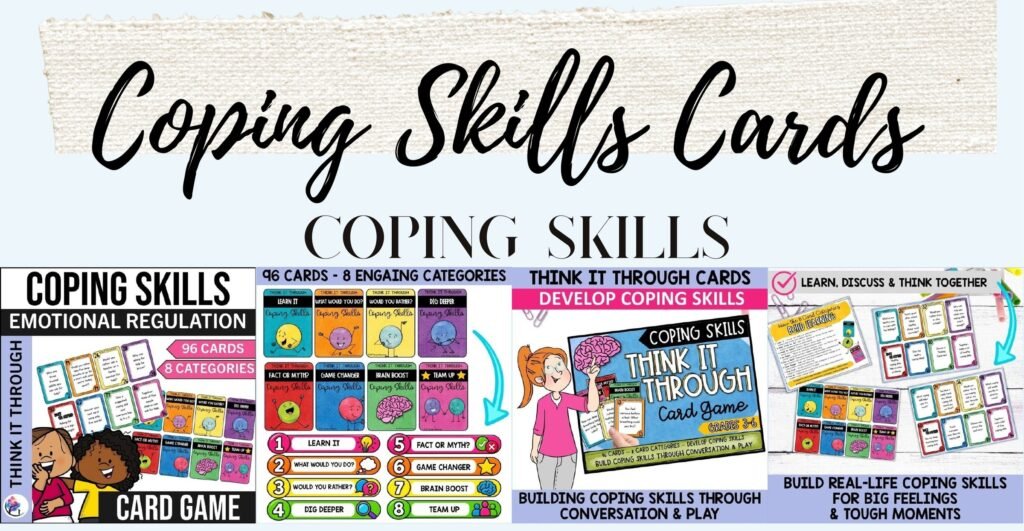
Try this in your next session: our Coping Skills Cards Activity is a conversation card game with “What Would You Do?” scenarios and other prompts, so students can rehearse coping strategies before they need them. Open a session with a few cards, then help each student choose one strategy to try that week. One counselor shared, “I love the variety of coping strategies because students can explore what genuinely works for them instead of being given the same few suggestions.”
Respond calmly and consistently
In the moment, fewer words, a calm voice, extra space and time to process usually help more than lengthy explanations or ultimatums. Save the teaching conversation for when the student is regulated, then focus on repair: what happened, who was affected, and what could help next time. Restorative practices offer a helpful structure for these conversations.
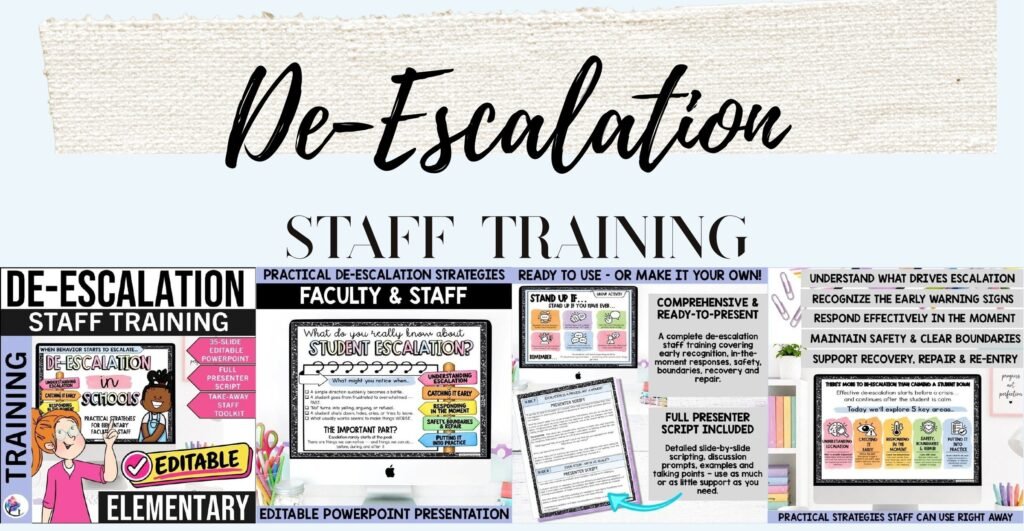
Try this at your next staff meeting: consistent responses depend on every adult sharing the same approach. Our De-Escalation Staff Training Presentation (Elementary) is a ready-to-run workshop (editable PowerPoint, presenter scripts and staff scripting tools) that walks teachers, counselors and support staff through recognizing escalation early, responding in the moment, keeping everyone safe, and supporting recovery and repair. Middle school and high school versions are also available.
Collaborate with families and staff
Behavior support works best when everyone uses the same language and approach. Share what is working with families, invite their insights about what they see at home, and make sure every adult who works with the student knows the plan, including paraprofessionals, specialists and lunch and recess staff. Small, consistent steps across settings are the heart of effective behavior support in schools.
Frequently Asked Questions
How is a behavior of concern different from typical misbehavior?
Occasional misbehavior is a normal part of growing up. Behaviors of concern tend to be more persistent, intense or disruptive, and they interfere significantly with a student’s learning, safety or relationships.
How should teachers respond to behaviors of concern in the classroom?
Stay calm, use few words, and focus on safety and helping the student settle first. Once the student is regulated, revisit expectations, teach or practice a replacement skill, and acknowledge the expected behavior when it happens.
When does a student need more than classroom support?
If a behavior continues despite consistent Tier 1 and Tier 2 support, escalates, or raises safety concerns, involve your school counselor, psychologist or behavior specialist and the family. A functional behavior assessment can help the team understand the behavior and plan individualized support. If you are worried about a student’s safety, follow your school or district protocol.
Looking for practical, ready-to-use resources to support your work with behaviors of concern? The All Therapy Resources Membership provides access to a growing collection of thoughtfully developed behavior support activities, interactive games, and therapeutic tools designed to save preparation time while supporting meaningful, skill-focused learning.