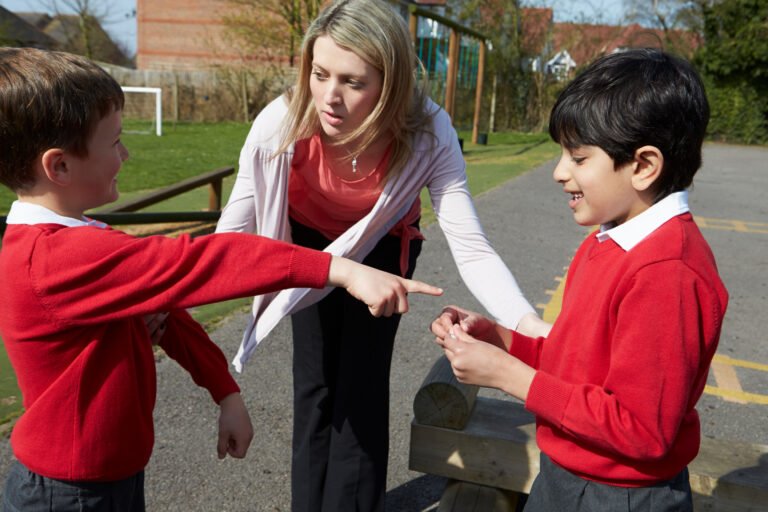
When a new school year starts and referrals begin to arrive, one of the first questions on a school counselor’s mind is simple: what groups should we offer this year? Having a ready list of small group counseling topics makes that decision much easier, especially when your calendar is already full.
This article is a browsable menu of small group counseling topics by grade level, with ideas for elementary, middle and high school. For each group idea, you’ll find who it tends to suit, a few example session focuses and one practical tip. Treat these as starting points to mix, rename and adjust for your students and setting.
Small Group Counseling Topics for Elementary School
Younger students often learn best through play, movement, stories and lots of repetition. Groups at this level tend to work well when the language is concrete and the activities are hands-on.
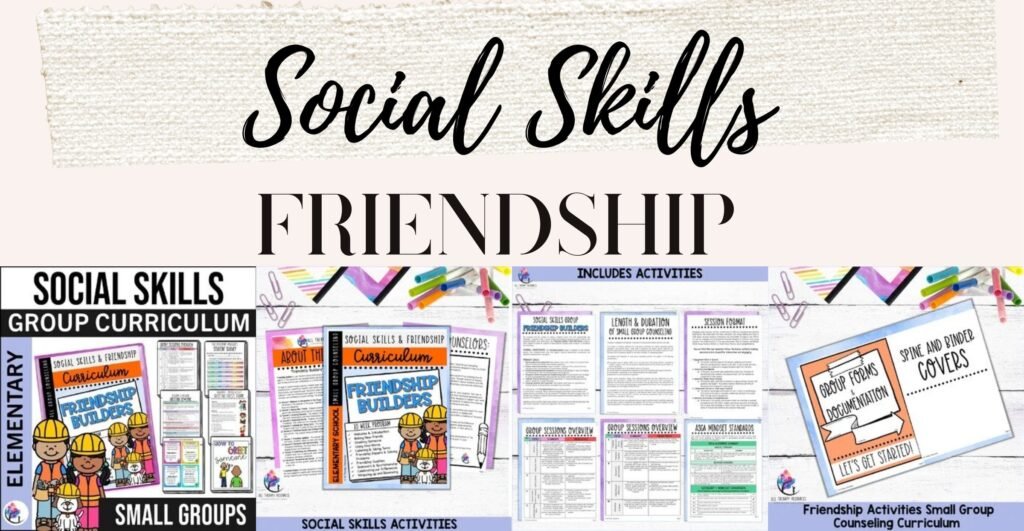
Friendship Skills
Who it suits: Students who find it hard to join in, share, take turns or keep friendships going, as well as students who are new to the school.
Example session focuses:
- Starting a conversation and joining a game
- Taking turns, sharing and playing fair
- Noticing how a friend might be feeling
- Fixing small friendship problems with kind words
Practical tip: Use short role-plays with puppets or picture cards. Many young students find it easier to practice a tricky moment when a puppet “says” the words first.
Feelings and Calming Strategies
Who it suits: Students who are still building a feelings vocabulary or who show big reactions in class, at recess or during transitions.
Example session focuses:
- Naming feelings and noticing where we feel them in our bodies
- Big feelings and small feelings
- Trying out calming strategies such as breathing, movement and counting
- Making a personal calm-down plan
Practical tip: Let each student build a small, personal toolkit (a card or mini booklet) of the strategies they like best, so they have something concrete to take back to class.
Changing Families
Who it suits: Students experiencing separation, divorce, a new sibling, blended families, a move, or a parent or caregiver who is away for long periods.
Example session focuses:
- All families look different
- Sharing feelings about changes at home
- Things I can and cannot control
- People and places that help me feel safe
Practical tip: Keep language inclusive so every family structure feels welcome. Let students choose how much they share, and offer drawing or sand tray activities as an alternative to talking.
Worry and Anxious Feelings
Who it suits: Students who worry often, seek frequent reassurance, avoid new situations or report tummy aches and headaches before school.
Example session focuses:
- What worry is and how it feels in the body
- Worry thoughts and helpful thoughts
- Brave steps and trying small challenges
- Calming strategies for worried moments
Practical tip: Give worry a character or a name the group creates together. Externalizing worry in this playful way can make it easier for young students to talk about it.
Self-Control and Making Choices
Who it suits: Students who act quickly before thinking, have trouble waiting or find classroom expectations hard to follow.
Example session focuses:
- Stop, think and choose
- Waiting and taking turns
- Noticing early warning signs in our bodies
- Making a different choice next time
Practical tip: Movement games such as freeze games or “red light, green light” give students a fun, low-pressure way to practice stopping and starting on purpose.
Small Group Counseling Topics for Middle School
Middle school brings rapid change: new schools, shifting friendships, more independence and a growing online life. Groups at this level work well when students feel respected, have a voice and can see how the topic connects to their everyday lives.
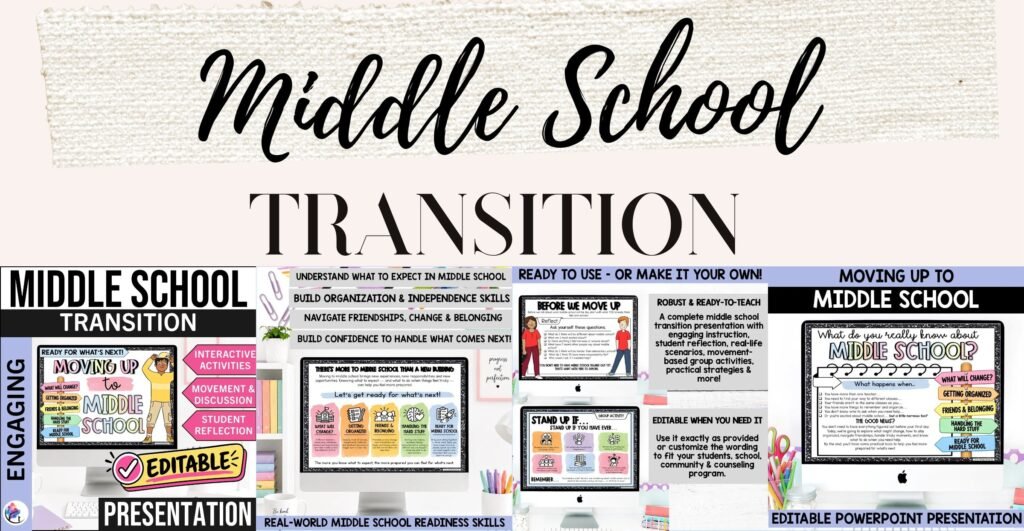
Transitions and Starting Middle School
Who it suits: Students new to middle school or to your building, students moving between grades and students who found last year’s move difficult.
Example session focuses:
- Getting to know the building, schedule and routines
- Making new connections
- Managing lockers, classes and multiple teachers
- Knowing who to go to for help
Practical tip: Consider inviting a few older students to share what helped them settle in, with your guidance. Hearing from peers can feel more relatable than hearing from adults.
Friendship Conflict and Social Problem-Solving
Who it suits: Students navigating shifting friend groups, exclusion, gossip or repeated conflict with peers.
Example session focuses:
- Healthy and unhealthy friendship behaviors
- Assertive communication and “I” statements
- Repairing a friendship after conflict
- Knowing when to step back from a friendship
Practical tip: Use realistic scenarios rather than situations from the group itself. This keeps the discussion safe and avoids putting any student on the spot.
Online Safety and Social Media
Who it suits: Students who are new to social media or group chats, or who are dealing with online drama, oversharing or screen time concerns.
Example session focuses:
- Thinking before posting and our digital footprint
- Group chat conflict and online kindness
- Privacy, safety and knowing when to tell an adult
- Balancing screen time with sleep, school and friends
Practical tip: Keep the tone curious rather than critical. Students are more likely to talk openly when they feel their online world is understood rather than judged.
Organization and Study Skills
Who it suits: Students with missing assignments, messy backpacks or difficulty keeping track of deadlines across several classes.
Example session focuses:
- Using a planner or digital calendar
- Breaking big tasks into smaller steps
- Organizing folders, lockers and backpacks
- Managing time and avoiding procrastination
Practical tip: Have students bring their real backpacks, planners or assignment lists. Practicing with their own materials makes the skills much easier to carry over to class.
Self-Esteem and Confidence
Who it suits: Students who speak negatively about themselves, compare themselves with others or hold back from trying new things.
Example session focuses:
- Identifying personal strengths and values
- Noticing and challenging unhelpful self-talk
- Comparison and social media
- Setting and celebrating small goals
Practical tip: Strengths-based activities such as strength cards or a “strengths shield” give students language for what they do well, which can be hard for this age group to say out loud.
Small Group Counseling Topics for High School
High school students are thinking about identity, independence and the future. Groups at this level tend to work best when they feel relevant, respect students’ growing autonomy and leave plenty of room for discussion.
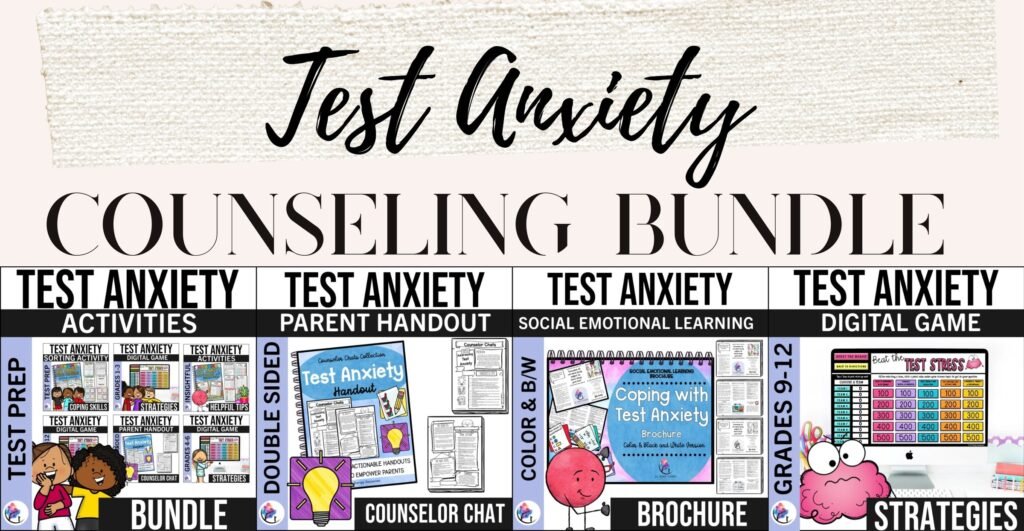
Stress Management and Test Anxiety
Who it suits: Students feeling overwhelmed by workload, exams, extracurricular commitments or pressure to perform.
Example session focuses:
- Recognizing personal stress signals
- Practical strategies for calming before and during tests
- Study planning and balancing commitments
- Sleep, rest and healthy routines
Practical tip: Time the group to start a few weeks before major exam periods, so students have a chance to practice strategies before the pressure peaks.
Identity and Values
Who it suits: Students exploring who they are, what matters to them and how they want to show up in the world.
Example session focuses:
- Exploring personal values
- Identity, belonging and culture
- Making choices that fit our values
- Handling peer pressure and expectations from others
Practical tip: Use reflective tools such as values card sorts or journaling prompts, and make sharing optional. Some students prefer to reflect privately before speaking.
Life After High School
Who it suits: Juniors and seniors thinking about college, career pathways, trade programs, military service or work, as well as students who feel unsure or anxious about the future.
Example session focuses:
- Exploring interests and possible pathways
- Setting short-term and long-term goals
- Practical skills such as applications, interviews and budgeting
- Coping with uncertainty and change
Practical tip: Present every pathway as valid. Students are more likely to engage when they don’t feel there is only one “right” choice after graduation.
Healthy Relationships
Who it suits: Students who want to build healthier friendships and dating relationships, or who are learning about boundaries and communication.
Example session focuses:
- Signs of healthy and unhealthy relationships
- Setting and respecting boundaries
- Communication and resolving conflict respectfully
- Knowing where to go for help
Practical tip: Review your school or district protocols before the group begins and explain the limits of confidentiality clearly in the first session, as this topic can lead to disclosures.
Grief and Loss
Who it suits: Students who have experienced the death of a loved one, or other significant losses such as a family separation or a friend moving away.
Example session focuses:
- Understanding that grief looks different for everyone
- Remembering and honoring the person or thing we lost
- Coping with difficult days and reminders
- Finding support at school and at home
Practical tip: Offer creative options such as memory boxes, letters or art, and check in with families where appropriate. Refer students who need more intensive support to community services.
How to Choose the Right Topic for Your School
The best group topic is the one that matches what your students need right now. A few sources can help you decide:
- Needs data: Look at what your school already collects, such as attendance, behavior referrals, grades or schoolwide surveys. Patterns across a grade level often point to a group topic worth offering.
- Teacher referrals: Teachers see students every day and often notice concerns early. A short referral form that asks about specific concerns (friendship, worry, organization) can show you which topics come up most often.
- Student input: Ask students directly. A quick, anonymous survey listing a handful of topics lets students say what they would find helpful, and it builds buy-in from the start.
The calendar helps too: a transitions group fits the start of the year, while a stress group fits best before exams.
Adapting Group Topics for Students With Additional Needs
Most topics on this menu can be adapted so every student can take part meaningfully:
- Use visuals: Picture cards, visual schedules and feelings charts support students with language, learning or attention differences.
- Simplify language: Use short sentences, concrete examples and the same key phrases each time.
- Offer different ways to respond: Let students point, draw, write, use a communication device or choose from options rather than always answering out loud.
- Think about the sensory environment: Consider lighting, noise and seating, and offer fidgets or movement breaks where helpful.
- Collaborate with the team: Check in with special education staff, speech-language pathologists or occupational therapists, and keep each student’s IEP or 504 plan in mind.
- Keep the topic, adjust the pace: The topic itself rarely needs to change. Slowing down and repeating key ideas often helps more.
Above all, keep the experience strengths-based, respectful and inclusive.
Frequently Asked Questions
What are the most common small group counseling topics?
Common small group counseling topics include friendship skills, feelings and emotional regulation, worry and anxiety, changing families, self-esteem, organization and study skills, stress management, healthy relationships, and grief and loss. The right topics for your school depend on your students’ needs, grade levels and school priorities.
Can I run the same group topic across different grade levels?
Yes. Many topics, such as friendship, worry and self-esteem, work at every level. The difference is in the approach: elementary groups lean on play, stories and visuals, while middle and high school groups usually include more discussion, real-life scenarios and student choice.
How many small groups should a school counselor offer at once?
There is no single right number. It depends on your caseload, your schedule, your other responsibilities and the needs in your building. A few well-chosen groups at a time is often more manageable than many.
Which small group topics work well for high school students?
High school students often respond well to groups on stress and test anxiety, identity and values, life after high school, healthy relationships, and grief and loss.
Do I need parent or guardian permission for small group counseling?
Permission requirements vary by state, district and school. Check your local policies before starting a group, and keep families informed in line with your school’s guidelines and your professional and ethical standards.
Looking for practical, ready-to-use resources to support your work with small group counseling? The All Therapy Resources Membership provides access to a growing collection of thoughtfully developed counseling activities, interactive games, and therapeutic tools designed to save preparation time while supporting meaningful, skill-focused learning.