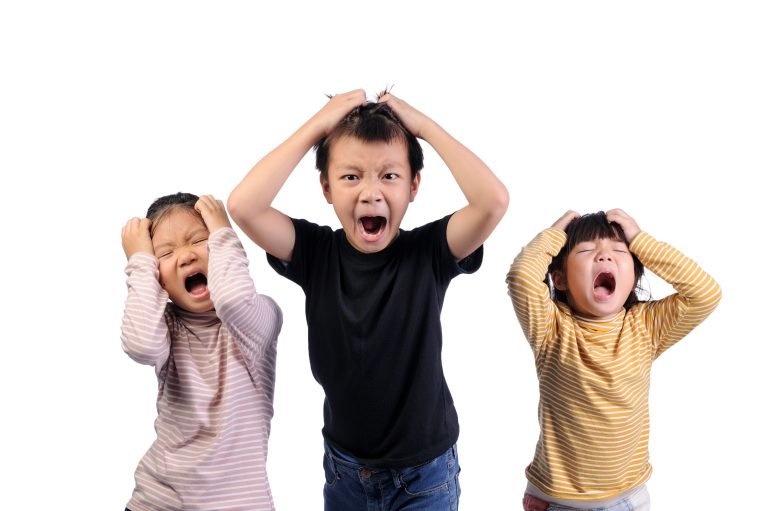

A student who shuts down after recess may not need another conversation about “making good choices.” They may need a predictable way to notice body signals, name what happened, and practice a next step before the next difficult moment. The most effective school counseling activities for students turn broad goals such as emotional regulation, belonging, or conflict resolution into small, repeatable experiences that feel safe enough to use in real life.
For busy school counselors and student-support teams, the question is not simply which activity is engaging. It is whether the activity matches the student’s developmental level, current capacity, cultural context, and counseling goal. A colorful worksheet can support meaningful work, but only when it is paired with attuned facilitation, choice, and opportunities to practice beyond the counseling office.
What makes school counseling activities effective?
Strong activities create a bridge between insight and action. Students may understand that taking a break is helpful, for example, yet still be unable to recognize rising frustration early enough to use that strategy. Counseling activities give them language, rehearsal, and a concrete visual or sensory cue that can travel into the classroom, cafeteria, bus line, or home.
Start with one observable goal. “Improve behavior” is too broad to guide intervention. A more useful goal might be: the student will identify two early signs of frustration, select one regulation strategy, and reflect on whether it helped. This focus makes it easier to choose materials, collaborate with teachers and caregivers, and document progress ethically.
It also helps to consider readiness. A student who is emotionally activated may need co-regulation, movement, or a low-demand drawing prompt before they can participate in cognitive problem-solving. Students with communication differences may respond best to visual choices, sentence starters, role-play, or an AAC-supported activity. Trauma-informed practice asks professionals to avoid forcing disclosure and instead offer predictable structure, meaningful choices, and the right to pass.
School counseling activities for students across core needs
The activities below can be adapted for individual sessions, small groups, classroom lessons, and brief check-ins. They are not intended as scripts. Your relationship with the student and your professional judgment remain central.
1. Build a feelings-and-body map
Invite students to outline a body shape or use a simple body graphic. Ask them to show where they notice different emotions: tight shoulders when worried, warm cheeks when embarrassed, a fast heart when angry, or heavy arms when sad. Younger students may color or use stickers; older students may prefer a private rating scale or a more detailed stress map.
Follow with questions that move beyond labeling: “What tends to happen right before you notice this?” and “What helps your body feel even 10% more settled?” Pair each signal with a practical response, such as water, paced breathing, wall pushes, a movement break, a coping statement, or requesting space. Avoid presenting regulation as compliance. The goal is to help students understand their internal experience and access support before distress escalates.
2. Use coping strategy sorting for real-life choice
Many students can list coping skills but do not know which tool fits the moment. Create cards with strategies such as talking to a trusted adult, listening to music, drawing, grounding with the senses, taking a walk, using a calm corner, or writing a note. Ask the student to sort them into categories: “helps me calm my body,” “helps me solve a problem,” “helps me feel connected,” and “might not work for me.”
This activity validates individual differences. Deep breathing may be useful for one student and frustrating for another. The conversation should include context: a strategy that works at home may not be available during math class, and a strategy that is acceptable in a counseling office may need a discreet classroom alternative. End by having the student select one or two strategies to test during the week and identify when they will use them.
3. Practice social problem-solving with low-stakes scenarios
Social conflict can feel high stakes, especially for students with anxiety, autism, language needs, trauma histories, or prior peer rejection. Begin with fictional scenarios rather than asking students to immediately disclose personal conflicts. A scenario might involve being left out of a game, receiving an unkind group-chat message, disagreeing during a project, or feeling blamed for something that was not your fault.
Guide students through a simple sequence: notice the problem, name the feeling, pause, consider choices, and predict likely outcomes. Role-play can be useful when it remains voluntary and supportive. Offer different roles, including observer or coach, so students are not pressured to perform. For older students, include boundaries and digital communication. Not every conflict requires repair or compromise; sometimes the healthiest next step is seeking adult support, taking space, or disengaging from an unsafe interaction.
4. Create a strengths timeline or identity shield
Students who are frequently corrected can begin to organize their identity around what is difficult. A strengths-based activity provides a needed counterweight without minimizing genuine challenges. In a strengths timeline, students identify moments when they handled something hard, learned a skill, helped someone, persisted, or made a meaningful choice. An identity shield can include values, supportive people, interests, cultural traditions, hopes, and personal strengths.
Use specific prompts rather than vague praise. “What did you do that helped you get through that?” invites students to identify their own agency. For adolescents, connect strengths to current stressors: persistence can support assignment completion, creativity can support coping, and loyalty can guide friendship boundaries. Be careful not to turn strengths work into pressure to be positive. Students should have room to acknowledge pain alongside capability.
5. Develop a personalized reset plan
A reset plan is most helpful when it is short, visual, and practiced before a crisis. With the student, identify early warning signs, helpful adults, regulation options, words they can use to request support, and how they will rejoin learning or peer activities afterward. For elementary students, this may be a picture-based “When I Feel Big” plan. Middle and high school students may prefer a discreet phone-sized card or planner insert.
Coordinate with the adults who will support the plan. A student cannot reliably use a break card if the classroom procedure is unclear or inconsistently available. The plan should also protect dignity. Consider where the student can go, how long a break lasts, what supervision is needed, and how re-entry will happen without public attention. This is where counseling intervention becomes a practical school support rather than a skill practiced only in session.
Supporting These Skills With Ready-to-Use Resources
Having practical, engaging materials available can make it easier to translate counseling goals into meaningful activities. Visual supports, coping skills worksheets, emotional regulation tools, and structured counseling interventions can help students practice new skills in ways that are developmentally appropriate.
At All Therapy Resources®, we create ready-to-use materials designed to support this work while reducing preparation time for busy professionals.
Explore our School Counseling Resources for practical tools to complement your individual sessions, small groups, and classroom lessons.
Make activities developmentally responsive
The same counseling target looks different at different ages. Early elementary students often benefit from play, visuals, movement, concrete language, and brief repetition. Upper elementary students may enjoy games, stories, and collaborative problem-solving. Middle school students often respond to relevant scenarios involving independence, friendships, identity, and online communication. High school students generally need genuine autonomy, privacy, and a clear explanation of why an activity may be useful.
Adaptation also means considering sensory, language, and executive functioning needs. Reduce visual clutter for students who are easily overwhelmed. Offer a choice to draw, point, speak, type, or use visuals. Break multi-step reflection tasks into one prompt at a time. These supports are not shortcuts. They make participation more accessible and can improve the quality of information students are able to share.
Plan for carryover, not just a good session
An engaging activity matters, but generalization is the real measure of usefulness. End sessions with a brief bridge question: “Where might this come up before we meet again?” Then identify one realistic action. A student may place a coping cue in a binder, practice a help-seeking phrase with a teacher, or rate their stress level before and after using a planned strategy.
For small groups, a consistent routine can make carryover easier: a brief check-in, one skill-focused activity, guided practice, and a closing reflection. Keep documentation connected to the goal, noting participation, student insight, skill rehearsal, barriers, and next steps rather than relying only on broad statements such as “student did well.” This approach supports continuity when teams collaborate and helps counselors make informed adjustments.
Ready-to-use, visually engaging materials can reduce preparation time, particularly when they include adaptable prompts and clear facilitation guidance. Still, no resource replaces the thoughtful decisions professionals make in response to the student sitting in front of them.
The best counseling activity is often the one a student can remember during a hard moment: a picture, phrase, plan, or practiced choice that quietly communicates, “I know what is happening, I have options, and I do not have to manage this alone.”
Looking for More Ready-to-Use Counseling Resources?
Great counseling activities don’t have to mean hours of planning and preparation.
At All Therapy Resources®, we’re passionate about helping school counselors, therapists, educators, and other professionals access practical, research-informed tools that support meaningful work with children and adolescents.
Our continually growing collection includes individual and small-group counseling activities, emotional regulation tools, coping skills resources, behavior interventions, social-emotional learning materials, and much more.
Whether you’re looking for a specific activity or ongoing access to a comprehensive professional resource library, we’ve got you covered.
Explore the All Therapy Resources Shop to find individual resources, or discover the ATR Membership for access to our extensive collection of ready-to-use materials.
Less time preparing. More time supporting the students who need you.