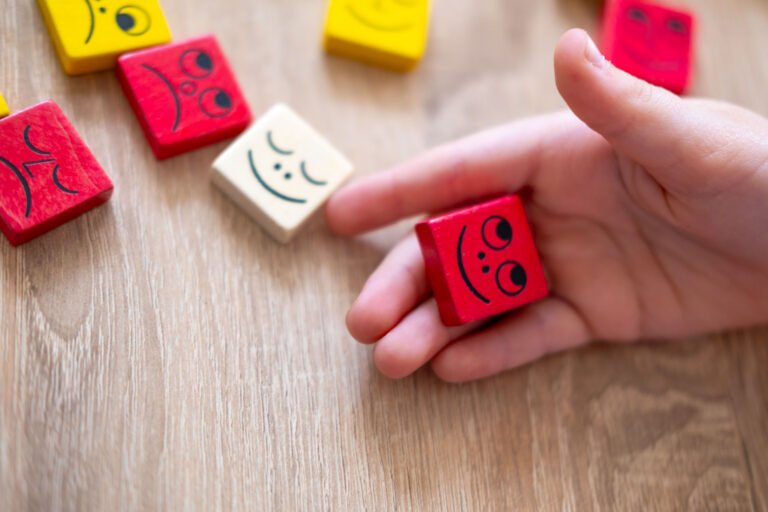
Picture a student who slams a book shut and mutters, “I’m so stupid, I’ll never get this.” That thought shapes how the student feels and what they do next. The link between thoughts, feelings and actions sits at the heart of cognitive behavioral therapy (CBT), and it is why CBT techniques for students are such a useful part of a school counselor’s toolkit.
This guide covers best practices for using CBT techniques with students: building trust, setting goals, teaching thought records, encouraging helpful action, pairing CBT with growth mindset language, and supporting students with anger.
What Is CBT, and What Does It Look Like in Schools?
CBT is a structured, skills-focused approach that helps people notice unhelpful thought patterns, test them against the evidence, and practice new ways of responding. It has been studied widely with young people: a 2020 Cochrane review found that CBT was more effective than a waitlist for helping children and adolescents recover from anxiety disorders, although it was not clearly more effective than other active treatments.
Scope matters. Full CBT for a diagnosed condition is delivered by trained mental health clinicians, and the ASCA position statement on student mental health describes the school counselor’s role as short-term counseling and referral rather than long-term therapy. What school counselors can do well is teach CBT-informed skills and connect students and families with outside support when needs go further.
Best Practices for Using CBT Techniques With Students
1. Build Trust and Rapport First
CBT asks students to share thoughts they may feel embarrassed about, so safety comes before skills. Explain what counseling is (and the limits of confidentiality) in age-appropriate language, offer choices, and keep check-ins regular and predictable. A simple opener: “We’re going to be detectives about your thoughts. There are no wrong answers, and you’re the expert on what goes on in your head.”
2. Set Small, Shared Goals
SMART goals (Specific, Measurable, Achievable, Relevant and Time-bound) give CBT direction with older students, while younger children may do better with one concrete, visual goal. “Be less angry” becomes “When my face gets hot in class, I will use my calm-down card instead of shouting, three times this week.” Review progress briefly each session and celebrate effort, not only perfect weeks.
3. Teach the Thought, Feeling and Behavior Connection
Thought records are a core CBT technique: students note a situation, the automatic thought, how they felt and what they did, then look for a more balanced thought. The goal is not to replace every negative thought with a cheerful one, but to notice when a thought is unhelpful or inaccurate and consider other ways of seeing the situation.
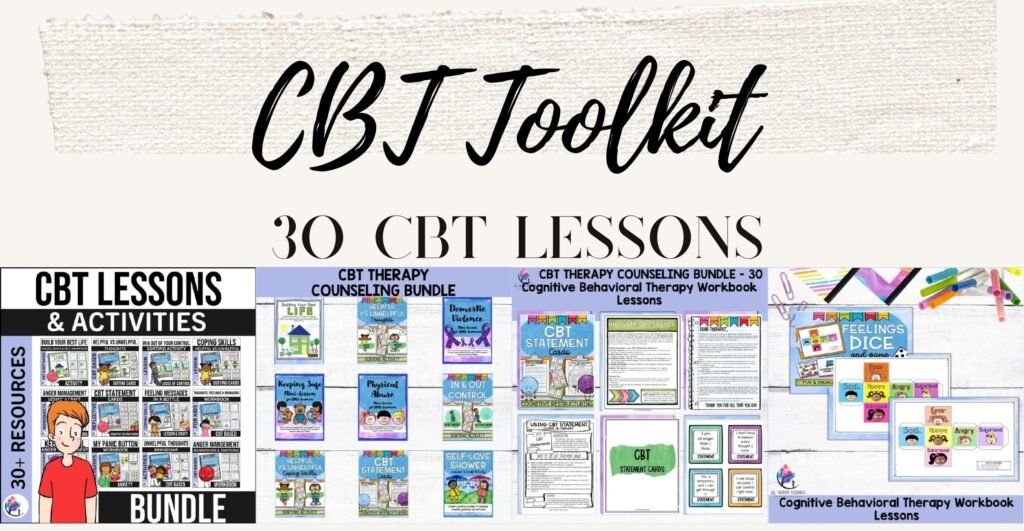
Try this in your next session: draw four boxes labeled Situation, Thought, Feeling and Action, and walk through a fictional example: “My friend didn’t wave back. She’s mad at me. Worried. I avoided her at lunch.” Ask, “What else could explain it?” and “What might you do if you believed that instead?” For ready-made materials, our CBT Therapy Counseling Bundle includes CBT workbooks for both children and teenagers on the thoughts, feelings and behaviors link, plus helpful and unhelpful thought cards and an in-my-control versus out-of-my-control workbook. The thought cards make a quick warm-up sort before moving into a workbook page that matches the student’s goal.
4. Encourage Helpful Action
CBT works on behavior as well as thoughts. Behavioral activation, a CBT strategy often used when mood is low, means planning small activities that bring enjoyment or a sense of accomplishment, then noticing how mood changes. For a student who has stopped joining in at recess, a first step might be “Shoot hoops with one friend for five minutes on Tuesday.” Afterward ask, “Was it as hard as you expected?” Students’ own evidence is often more convincing than anything an adult can say.
5. Pair CBT With Growth Mindset Language
Growth mindset fits naturally with CBT because both focus on how we interpret setbacks. Praise effort and strategies rather than fixed ability, and help students turn “I can’t do this” into “I can’t do this yet.” Our guide to cultivating a growth mindset in schools has more ideas. Keep expectations realistic, though: two 2018 meta-analyses found that growth mindset interventions had a small average effect on academic achievement, so mindset work is best treated as one part of a broader approach that also teaches concrete strategies.
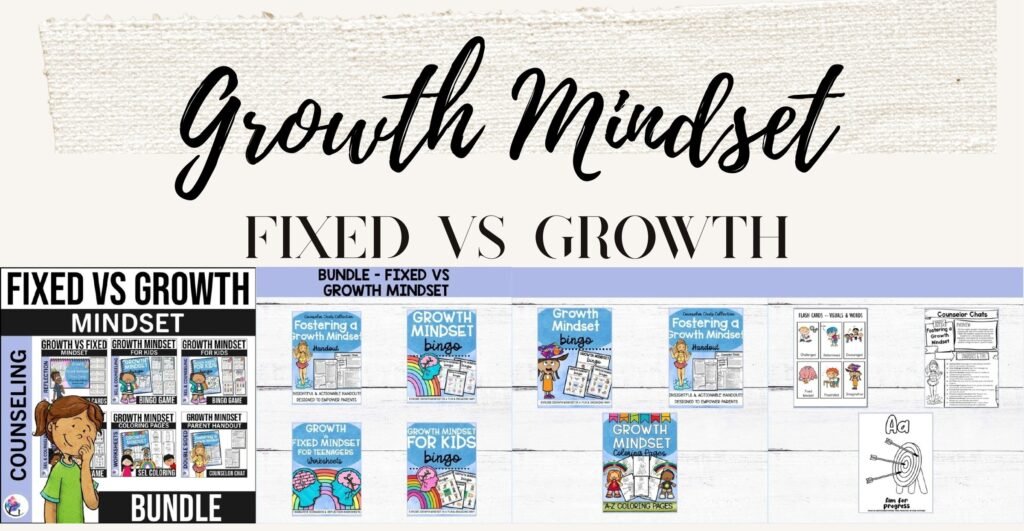
Try this with a small group: our Fixed vs Growth Mindset Bundle includes bingo, role-play and discussion cards, plus handouts comparing fixed and growth mindset thinking. It suits individual sessions, small groups or whole-class SEL lessons. Read a scenario aloud, ask students to spot the fixed mindset thought, then rewrite it together as something they could say to themselves next time.
CBT Techniques for Anger Management
A meta-analysis of CBT for anger in children and adolescents found that skills-based approaches were more effective than affective education alone, and that more modeling, feedback and homework were linked to better outcomes. In practice, students benefit from seeing a skill, rehearsing it and practicing it between sessions, not only talking about anger.
A CBT-informed sequence helps the student notice early body signs (hot face, tight fists), name the trigger and the “hot thought” (“He did that on purpose”), use a calming strategy, then try a cooler thought (“Maybe it was an accident”) and a better next step. Role-play a fictional situation, give specific feedback, and agree on one strategy to practice before next time. For more, see our trauma-informed approach to anger management and our guide to anger management for teenagers.
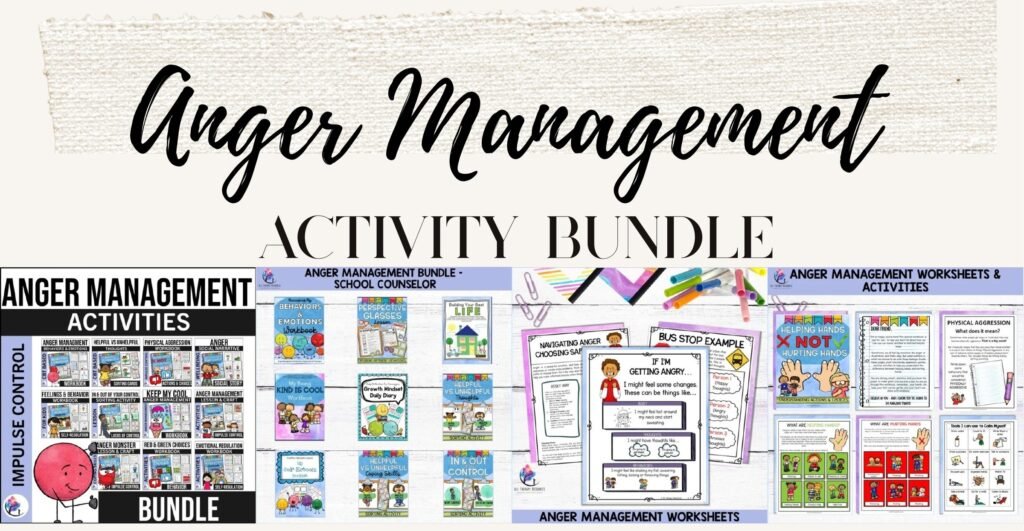
From our counseling room to yours: our Anger Management Worksheets & Activities Bundle covers each step for children and teens, with a CBT portfolio and emotional regulation workbook for individual sessions, the “Let’s Pause” board game for group practice, an anger management plan template and parent brochures. Map early warning signs on the anger thermometer, build the student’s personal plan together, and send a brochure home so caregivers use the same language.
Supporting Students Beyond the Counseling Room
CBT skills are most useful when they show up in everyday life. With the student’s consent and within your confidentiality guidelines, share the one or two strategies they are practicing.
- Parents and caregivers: listen without judgment, praise effort, and model calm coping (“I’m frustrated, so I’m going to take a few breaths before I answer”).
- Teachers: keep the classroom predictable and safe, prompt students to use their agreed strategy, and share what you notice with the counselor.
- Counselors: track progress against the student’s goal and refer to community mental health providers when a student needs more than brief support.
Running CBT-based groups? Our guide to planning a small group counseling curriculum walks through session structure, and you can browse more CBT-based resources in the ATR shop.
Frequently Asked Questions
Can school counselors use CBT techniques with students?
Yes. School counselors can teach CBT-informed skills, such as identifying thoughts and problem-solving, in brief counseling and lessons. Long-term therapy for a diagnosed condition should come from a community clinician, with the counselor supporting referral.
How often should CBT-based sessions be held?
Weekly sessions are common and give students time to practice in between, but in schools frequency depends on the student’s needs, your caseload and the school schedule. Short, regular check-ins often help more than occasional long sessions.
Is CBT suitable for younger children?
It can be adapted by making it concrete and visual: pictures, games, puppets, simple feeling scales and more caregiver involvement. Older students can work with written thought records.
How do I engage a reluctant student?
Start with the relationship and low-pressure activities such as games or drawing. Use fictional examples before personal ones and set small first steps so the student experiences early success.
Looking for practical, ready-to-use resources to support your CBT-informed counseling with students? The All Therapy Resources Membership provides access to a growing collection of thoughtfully developed counseling activities, interactive games, and therapeutic tools designed to save preparation time while supporting meaningful, skill-focused learning.