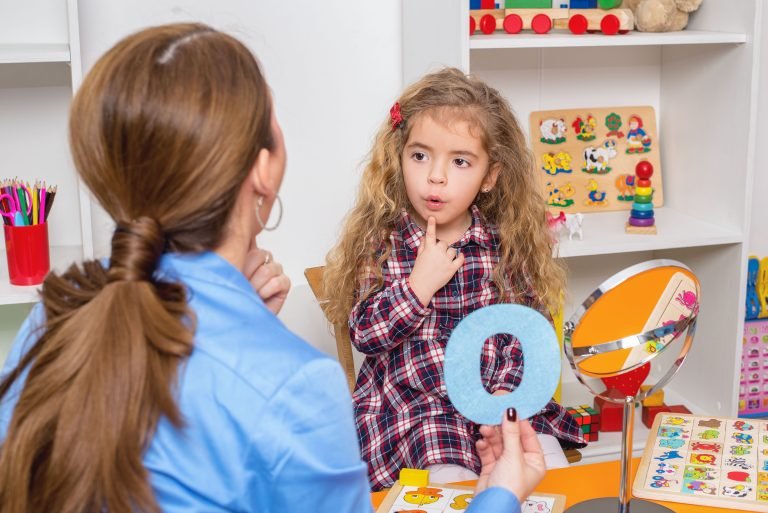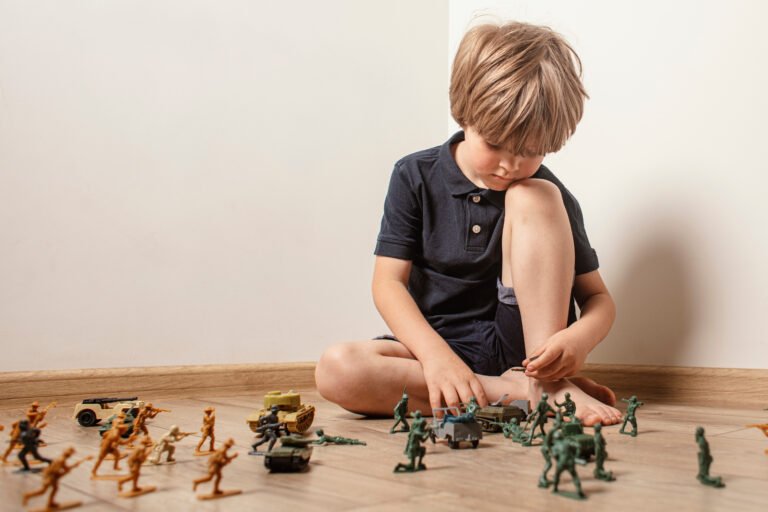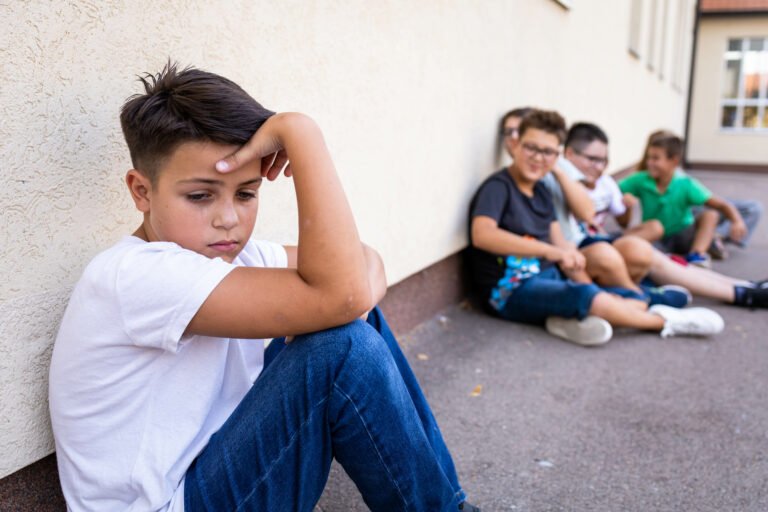
A student slams a binder down and says, “This is stupid. I’m not doing it.” Another lingers after group and quietly asks, “Can I tell you something?” A third is crying in the hallway and can’t explain why. In each moment, you may know exactly what the student needs from you, and still find yourself wondering what to say to students right now, in a way that helps rather than escalates.
Having trauma-informed language ready is not about reading from a script or sounding rehearsed. It is about lowering the load on you in the moments when emotions are high, so you can stay calm, curious and connected. This guide shares practical counseling scripts for the conversations school counselors, psychologists, social workers, teachers and therapists face most often, along with the thinking behind each one.
Why the Words We Choose Matter
When a student is overwhelmed, their capacity to process long explanations, questions or reasoning drops. Short, steady, predictable language helps the adult stay regulated and gives the student something simple to hold on to. Our words can signal safety, or they can unintentionally sound like judgment, pressure or a threat.
SAMHSA’s guidance on a trauma-informed approach describes six key principles: safety; trustworthiness and transparency; peer support; collaboration and mutuality; empowerment, voice and choice; and cultural, historical and gender issues (SAMHSA, via youth.gov). Those principles translate directly into everyday language: telling students what will happen next, offering real choices, and avoiding words that shame.
Try this in your next session: before you respond, ask yourself one quiet question: “What might be happening underneath this?” Then choose a short phrase that names what you see without labeling the student, such as “Something about this feels really hard right now.”
What to Say When a Student Is Upset or Escalating
When a student is dysregulated, connection comes before correction. The goal in the first minute is not to solve the problem or deliver a consequence; it is to help the student’s body and brain settle enough to think.
Picture a student who has just been told their group project is due today and pushes their chair back hard. Instead of “Sit down now,” you might try:
- “I can see you’re really frustrated. I’m right here.”
- “You’re not in trouble for feeling this way. Let’s take a breath first.”
- “Do you want to sit here, or take a minute by the window?”
- “We’ll figure out the project part together once you’re feeling calmer.”
Naming feelings can help. In a well-known brain imaging study with adults, labeling the emotion in a photo (“angry,” “scared”) was linked with lower amygdala activity than simply matching faces (Lieberman et al., 2007, Psychological Science). The effects were modest and the study was done in a lab, so it’s a reason to try gentle labeling, not a promise that one sentence will calm every student.
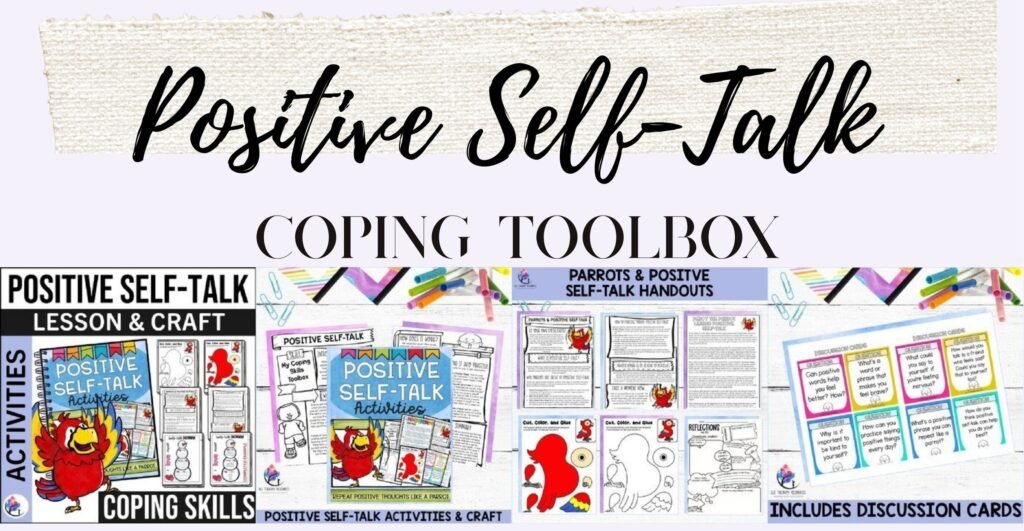
Students also need tools they can reach for themselves once they’re calmer. The Positive Self-Talk Activities and Craft gives elementary students a story, a hands-on craft and reflection questions for building a kind, steady inner voice like the one you’re modeling. Use it in a small group after a tricky week, and invite each student to choose one phrase they’d like to “borrow” from you. One educator shared, “My students loved Percy the Parrot and really connected with the message.”
What to Say When a Student Shares Something Difficult
Some of the most important conversations start unexpectedly: a student mentions something worrying at the end of a session, or hints that “things at home are bad.” Your first response tells the student whether it was safe to speak.
- “Thank you for telling me. I’m really glad you did.”
- “You’re not in trouble for sharing this.”
- “Can you tell me a little more about what happened?”
- “My job is to help keep you safe, so I may need to talk with someone else who can help too. I’ll tell you what happens next.”
That last line matters. The American School Counselor Association notes that confidentiality has limits, including when disclosure is needed to prevent “serious and foreseeable harm,” and that counselors should explain those limits in developmentally appropriate terms and, when possible, tell the student before information is shared (ASCA, The School Counselor and Confidentiality). Promising to keep a secret you may not be able to keep can damage trust at the moment a student needs it most.
If a student discloses harm or is at risk: stay calm, listen, and thank them for telling you. Don’t promise to keep it secret, and don’t press for details beyond what you need to keep them safe. Follow your school or district protocol and your mandated reporting obligations straight away.
USA: 988 Suicide & Crisis Lifeline (call or text 988, or chat at 988lifeline.org); Childhelp National Child Abuse Hotline 1-800-422-4453; in an emergency, call 911.
Australia: Lifeline 13 11 14 (text 0477 13 11 14); Kids Helpline 1800 55 1800; your state or territory child protection service (see the AIFS contacts page); in an emergency, call 000.
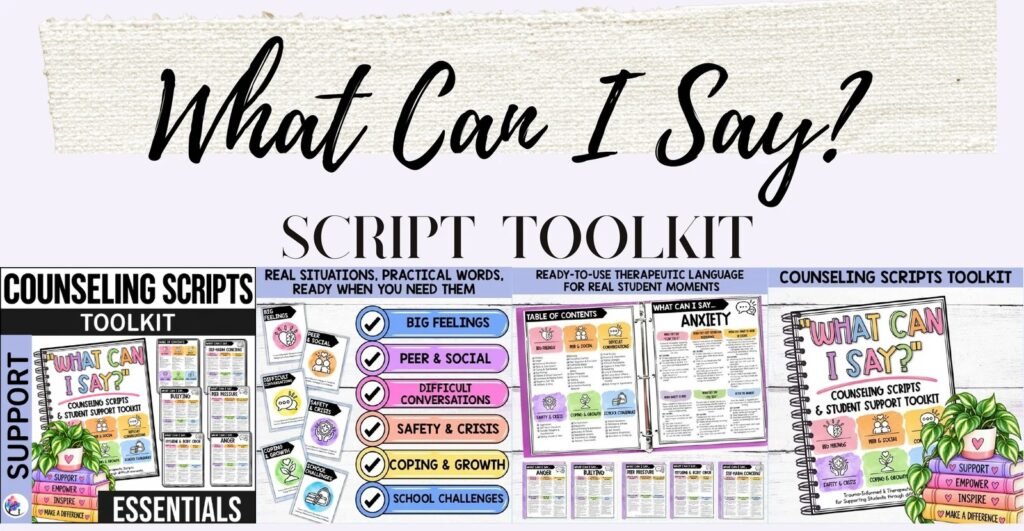
If you’d like ready-to-use language for these moments and many more, our “What Can I Say?” Scripting Toolkit brings together trauma-informed counseling scripts, validation statements, reflective questions and conversation prompts for social-emotional, behavioral, relationship, school and safety-related situations. Each section starts by helping you consider what may be happening underneath a student’s words or behavior, then offers examples of what you might say next. Keep it on your desk for individual sessions, small groups and those unplanned hallway conversations.
What to Say When a Student Won’t Talk
Silence isn’t defiance. A student may be unsure whether you can be trusted, may not have the words yet, or may be too overwhelmed to speak. Pressure usually makes silence longer.
- “You don’t have to talk right now. We can just sit together for a bit.”
- “Would it be easier to draw it, write it, or point to how you’re feeling?”
- “If you’re not sure, that’s okay. ‘I don’t know’ is a fine answer here.”
- “Can I share what I’m noticing, and you can tell me if I’m close?”
Offering more than one way to communicate respects the principle of voice and choice, and it often opens a door that direct questions keep closed.
Helping Students Find Their Own Words
Scripts aren’t only for adults. Older students benefit from rehearsing what they can say to a teacher, a friend or a family member when they need help, need more time, or disagree respectfully. Practicing the exact words ahead of time makes it much more likely they’ll use them in a real moment.
Try this in your classroom: write three sentence starters on the board, such as “I’m having trouble with…”, “Could I please have…”, and “I see it differently because…”. Have students finish one for a real situation this week, then role-play it with a partner.
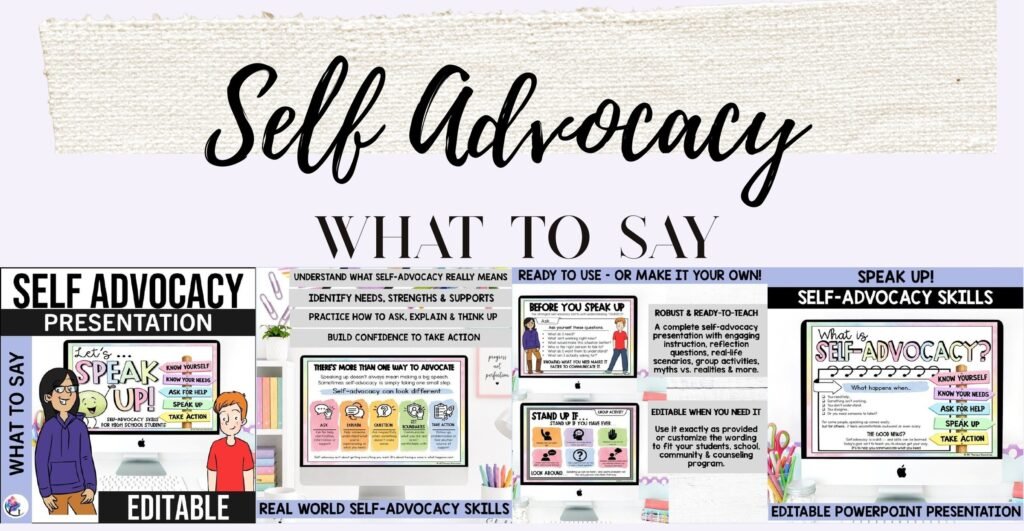
For high school students, the Self Advocacy Presentation: What to Say walks students through understanding what self-advocacy is and, more importantly, what they can actually say in different situations. It works well as a Tier 1 classroom lesson or as a starting point for a transition or study skills group. As one reviewer put it, “This presentation makes self-advocacy feel practical and accessible for students.”
Tips for Making Scripts Sound Like You
- Keep it short. One or two sentences is usually enough when emotions are high.
- Adjust for age and development. “You’re safe, I’m here” works for a kindergartner; a teenager may respond better to “I’m not going anywhere. Take your time.”
- Match your tone to your words. A calm, lower voice and relaxed body language carry as much meaning as the phrase itself.
- Be culturally responsive. Notice how students and families talk about feelings and help-seeking, and adapt your language respectfully.
- Repair when you need to. If something comes out wrong, “I don’t think I said that the way I meant it. Can I try again?” models exactly the skill we hope students will learn.
Frequently Asked Questions
Won’t using scripts make me sound robotic?
Not if you use them as a starting point. Most professionals adapt the wording until it sounds natural. The value is having a calm phrase ready when your own stress rises, so you’re not searching for words in the moment.
What should I avoid saying to an upset student?
Try to avoid “Calm down,” “Why did you do that?” and threats of consequences in the heat of the moment. They tend to increase pressure. Save problem-solving and accountability for when the student is regulated enough to take part.
Should I promise to keep what a student tells me a secret?
No. Explain the limits of confidentiality in words the student understands, ideally before a sensitive conversation begins, and tell them what will happen if you need to involve others.
Can teachers and support staff use counseling scripts too?
Yes. Consistent, supportive language across the adults in a school helps students feel safer and know what to expect. Teachers should still follow school protocols and involve the counselor or mental health team when a concern goes beyond the classroom.
Looking for practical, ready-to-use resources to support your conversations with students? The All Therapy Resources Membership provides access to a growing collection of thoughtfully developed counseling activities, interactive games, and therapeutic tools designed to save preparation time while supporting meaningful, skill-focused learning.