“Will my mom look different?” “Is it my fault?” “Can I catch it?” When a child learns that someone they love has cancer, questions like these can arrive all at once, sometimes in the middle of a math lesson or on the walk to the bus. Supporting children when a loved one has cancer is one of the most tender parts of our work as school counselors, therapists and educators. No script takes the hurt away, but there is a great deal we can do to help a child feel informed, safe and less alone.
Below are practical, trauma-informed strategies for school and therapy settings: working alongside the family, answering hard questions, making room for feelings and worries, and recognizing when a child needs more support.
Why Children Need Gentle, Honest Support During a Cancer Diagnosis
Cancer affects the whole family system, not only the person who is ill. A parent or grandparent may be away at appointments more often, look different, or have less energy for play and routines. Without clear information, children tend to fill the gaps themselves, and what they imagine is often more frightening than the truth.
The American Cancer Society notes that being honest and open with children helps them feel safe and builds trust, and that children of different ages understand a diagnosis differently. It also highlights two worries that are common in younger children: that something they did or didn’t do caused the illness, and that cancer might be catching. Both deserve a clear, gentle answer, even if the child hasn’t said them out loud.
Children also tend to show us how they feel before they can tell us. Through a trauma-informed lens, clinginess, trouble concentrating or a return to younger behaviors are signals of a child who needs connection and predictability, not a behavior problem to correct.
Start With What the Family Has Shared
Before we talk with a child about a loved one’s cancer, it helps to know what the family has already told them and which words they use at home. One family may have named the type of cancer and explained chemotherapy; another may still be deciding what to say. Our role is to support the family’s approach, not to get ahead of it.
A short, warm conversation with a parent or caregiver can cover what the child knows, the words the family uses, who the child can go to with questions, what the family is comfortable with the school sharing (and with whom), and any upcoming changes in routine, such as a different adult doing pick-up. For ideas on approaching those conversations, our guide to parent communication for counselors offers a connection-first approach.
In the counseling room, ask before explaining: “What have you heard about Grandma being sick?” or “What do you know about why Dad has been going to the hospital?” Guidance for schools from Cancer Council NSW makes the same point: find out what students already know, keep answers honest, and never force a student to discuss the illness.
What to Say When Children Ask Hard Questions
Children’s questions are usually short; the feelings behind them are not. A simple, honest answer followed by “What made you wonder about that?” lets us respond to the real worry. It is also okay not to know. “That’s a big question. I don’t know the answer, but we can ask your mom together” shows the child that their questions are welcome and that the adults around them will help them find answers.
| A child might ask | What may sit underneath | A gentle response to try |
|---|---|---|
| “Is it my fault?” | Guilt, or a belief that their thoughts or behavior caused the illness | “No. Nothing you did, said or thought made the cancer happen. It isn’t anyone’s fault.” |
| “Can I catch it?” | Fear for their own body, or worry about being close to the person | “Cancer isn’t like a cold. You can’t catch it from being close to Dad.” |
| “Why does Grandpa look different?” | Confusion or fear about visible changes | “The medicine that fights cancer is strong. It can make his hair fall out or make him feel tired. He’s still your grandpa.” |
| “Is she going to die?” | Fear of loss and a need for honesty | “The doctors are working hard to help her. I don’t know everything that will happen. If things change, the grown-ups in your family will tell you.” |
| “Who will look after me?” | A need for safety and predictability | “Lots of people are looking after you. Today [name] is picking you up, and I’ll be here at school like always.” |
Want more support for these conversations? The social story described below includes child-friendly answers to questions like these, and our Cancer Support collection gathers related resources in one place.
Using a Social Story to Explain Cancer
Social stories (also called social narratives) give children a calm, predictable way to take in difficult information. Reading together lets the child set the pace: they can pause, point, ask a question, or come back to it another day.
Our When Someone I Love Has Cancer Social Story was written for this conversation. It uses calm, compassionate language to explain what cancer is, what treatments such as chemotherapy and radiation may involve, and why a loved one might look or act differently, and it helps children make sense of the big emotions they may feel. It also includes a supportive letter to the child and a set of FAQs answering the kinds of questions children often ask. One reviewer who used it with a student whose parent had recently been diagnosed wrote, “It explains everything so gently and clearly.”
Try this in your next session: read a social story together rather than handing it over, and swap in the family’s own words (for example, “Mom’s medicine” instead of “chemo” if that is what the child hears at home). Pause after each page with an open question such as “What do you notice?” or “Does any of this sound like your family?” Picture a student whose mother has started chemotherapy and who has gone quiet in class. After reading, you might invite them to draw two pictures: their “worry brain” and their “brave heart.” The drawings offer a window into what the child is carrying, and a natural place to ask, “What helps your brave heart feel a little stronger?”
Helping Children Name and Express Big Feelings
Children may feel many things at once: sad, scared, angry at the illness (or at the person who is ill), jealous of the attention a sibling is getting, or relieved when a hospital stay ends. Some feel guilty for having fun while someone they love is sick. Every one of these feelings makes sense. Rather than steering a child toward “being brave,” we can name and normalize what they feel: “It sounds like you’re feeling worried and a little bit angry. Both of those can be true at the same time.”
For many children, especially younger ones, feelings come out more easily through play, drawing, sand tray or puppets than through direct conversation. A feelings check-in at the start of each session, using faces, colors or body clues, gives the child a low-pressure way to show how today is going without having to explain why.
Try this in your next session: our Feelings Chart Emotions Posters (Pastel) pair each feeling with facial expressions, body language and body sensations, plus a gentle “Remember…” message. They suit a counseling office, classroom or calm corner. Invite the child to point to the feeling that fits today and show where they notice it in their body; for a child who is struggling to find words, pointing is often easier than talking. One reviewer shared that “They give students a concrete way to recognize how emotions show up in their bodies…” and found them helpful during check-ins.

Making Room for Worries
Worries are a natural response when someone we love is ill. A child might worry about the person in the hospital, about who will be home after school, about changes at home, or about whether another family member could get sick. Brushing these worries aside (“Don’t worry, everything will be fine”) can leave a child feeling unheard, and it makes a promise none of us can keep.
Instead, help the child sort worries into the ones they can do something about and the ones that belong to the grown-ups. A worry box, or a short “worry time” at the end of a session, can help contain thoughts that feel too big to carry all day. Pair this with one or two calming strategies the child can use in class, such as slow breathing or noticing five things they can see; our post on trauma-informed grounding activities for children has more ideas to try.
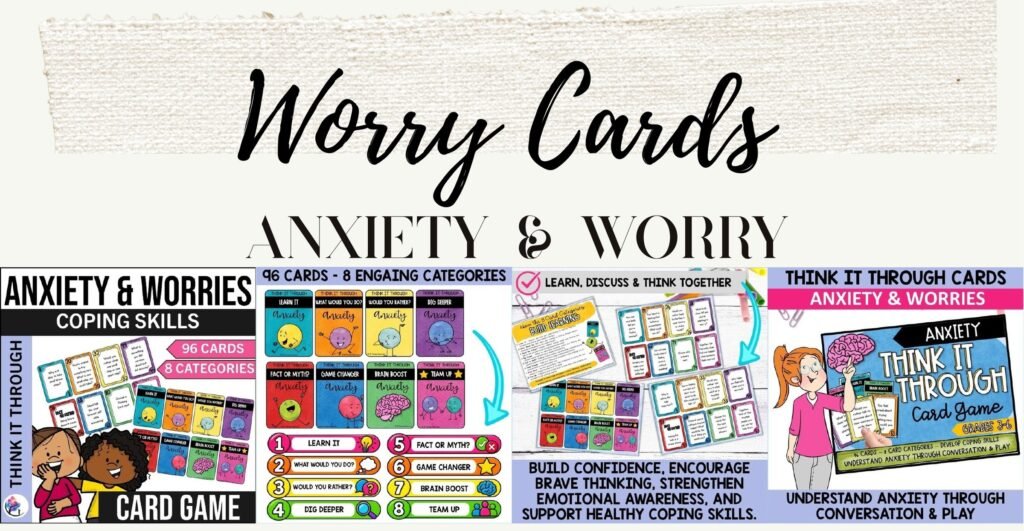
Try this in your next session: our Anxiety & Worry Coping Skills Cards are a conversation card game that helps children recognize how worries affect their thoughts, feelings and bodies, and practice small, practical coping steps. For a child coping with a loved one’s illness, choose a handful of cards ahead of time and set aside any that may feel too close right now. Used this way, the cards open a conversation about worry in general, which can feel safer than talking directly about cancer. As one reviewer put it, “The questions are thoughtful, age-appropriate and make it so much easier to start meaningful conversations about anxiety and coping skills.”
Keeping Routines Steady and Giving Children a Role
When home life feels unpredictable, school can be one of the steadiest places in a child’s week. The American Cancer Society recommends keeping routines as consistent as possible and, where possible, keeping children in school and their usual activities. Small, predictable moments matter, such as the same greeting at the door or a regular check-in time. Our post on the power of predictability explains why routines and visuals help children feel safe.
With the family’s permission, agree on a few supports with the child’s teacher: a quiet signal or pass to visit the counselor, flexibility with homework during treatment weeks, and a heads-up when a hard day is likely, such as a scan or a hospital stay. Children often want a way to help, too. Drawing a picture for the hospital room, recording a short video message or helping with a simple task at home can give a child a sense of connection and purpose. Keep the role small and age-appropriate, so the child is never taking on adult responsibilities.
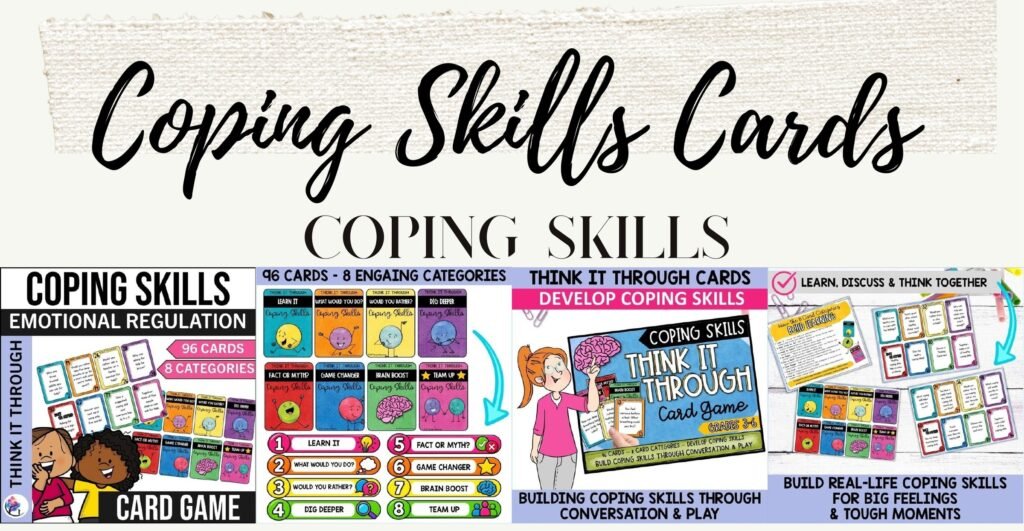
Try this in your next session: build a personal coping plan with the child: three or four things that help when worry or sadness shows up at school. Our Coping Skills Cards Activity makes this easier, with 96 conversation cards that help students explore emotions, practice coping strategies and reflect on what works for them. One reviewer wrote, “I love the variety of coping strategies because students can explore what genuinely works for them instead of being given the same few suggestions,” and found the cards easy to pull out for individual sessions or groups. Write the child’s favorites on a small card for their pencil case.
When a Child May Need More Support
Most children cope best with steady adults, honest information and room to feel. Some will need more. Watch for distress that lasts or deepens over several weeks: marked changes in behavior, sleep or appetite, withdrawal from friends, ongoing reluctance to come to school, or signs that a child feels overwhelmed most of the time. Cancer Council NSW suggests that where a student shows prolonged distress, the school counselor can help arrange professional support. Share your observations with the family and talk with them about a referral to a community mental health professional. If you are ever concerned about a child’s safety, follow your school or district protocol right away.
Many hospitals and cancer centers also have child life specialists, social workers or family support programs that help families talk with children, so it is worth asking the family whether their treatment team offers this.
If the illness is not expected to be curable, a child may begin grieving before a death occurs, and the family may need extra support in deciding what to share. Follow the family’s lead, keep communication honest, and avoid promises in either direction. Our post on supporting children through ambiguous loss explores grief that often goes unrecognized, and navigating grief together may help if loss becomes part of a child’s story.
Frequently Asked Questions
How do I explain cancer to a young child?
Use simple, concrete words and name the illness. For example: “Grandpa has an illness called cancer. It means some cells in his body are growing in a way they shouldn’t. The doctors are giving him strong medicine to fight it.” Let the child’s questions guide how much more you share, and check in with the family first so your words match theirs.
Should the school tell the class that a student’s parent has cancer?
Only with the family’s permission, and ideally with the student’s input. Many children prefer that only a few trusted adults know. If the family does want classmates to know, plan the message together and keep the focus on how peers can be kind, rather than on medical details.
What if a child asks whether their loved one is going to die?
Answer truthfully without guessing or reassuring beyond what you know. You might say, “That’s such an important question. I don’t know what will happen, and the doctors are working hard to help. Let’s make sure you can ask your mom or dad about it too.” Then let the family know the child asked, so they can decide how to respond.
Looking for practical, ready-to-use resources to support your work with children facing a loved one’s cancer diagnosis? The All Therapy Resources Membership provides access to a growing collection of thoughtfully developed counseling activities, interactive games, and therapeutic tools designed to save preparation time while supporting meaningful, skill-focused learning.