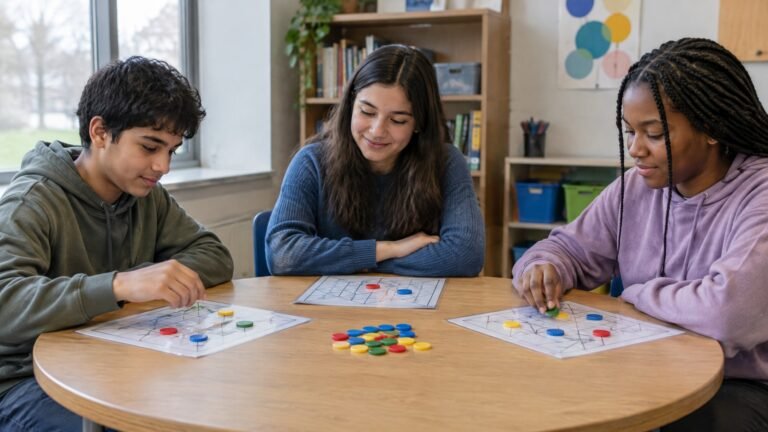
When a broken pencil gets the same reaction as a fire drill, students are not being dramatic on purpose. Many children have not yet learned to pause, judge how big a problem really is, and choose a response that fits. Size of the problem activities give them a shared, concrete language for that skill, and they are one of the most practical tools a school counselor, teacher or SLP can add to social-emotional learning.
This guide explains what the size of the problem concept teaches, why it supports emotional regulation, and how to teach it step by step in classroom lessons, small groups and individual sessions, with sample scripts you can use tomorrow.
What Is the Size of the Problem?
The size of the problem is a simple framework that helps students sort everyday problems into small, medium and big, and then match their reaction to that size. A small problem (losing a game, a scribbled line on a worksheet) can usually be solved on your own in a minute or two. A medium problem (a friend says something unkind, you forgot your lunch) may need a little help and a plan. A big problem (someone is hurt, unsafe or in danger) needs an adult straight away.
The power of the framework is in the second step. Once students can name the size of the problem, the next question is “Does my reaction match?” That question shifts the focus from “you overreacted” to a skill students can practice and get better at.
| Problem size | What it looks like | A reaction that fits | Suggested ATR resource |
|---|---|---|---|
| Small | Losing a turn, a broken crayon, a small mistake | Take a breath, shrug it off, fix it yourself | Size of the Problem Digital Game |
| Medium | Hurt feelings, a disagreement with a friend, forgotten homework | Use a calm voice, try a strategy, ask for a little help | Size of the Problem Worksheets |
| Big | Someone is hurt, unsafe or being harmed | Tell a trusted adult right away | Impulse Control Problem Solving Scenarios |
Why Size of the Problem Activities Support Emotional Regulation
Judging the size of a problem is a form of thinking about a situation differently, which researchers call cognitive reappraisal. A 2022 systematic review of 118 studies found that reappraisal shows considerable developmental change in its use and effectiveness between early childhood and adolescence. In practice, that means younger students usually need a lot of adult support, visuals and repetition before they can do this on their own, and older students can take on more of the reflection themselves.
Size of the problem lessons also fit within broader social-emotional learning. A meta-analysis of 213 school-based SEL programs (Durlak and colleagues, 2011) found that students who took part showed improved social and emotional skills, attitudes, behavior and academic performance compared with control groups. The size of the problem framework is one practical, evidence-informed way to teach the self-management and responsible decision-making skills those programs target. It is a teaching tool rather than an intervention that has been tested on its own, so it works best as part of a consistent SEL approach.
It is also worth remembering what this skill is not. A child in the middle of a meltdown cannot rate the size of a problem, because the thinking part of the brain is offline for a while. Teach and practice the framework when students are calm, then use it afterward to reflect. Our guide to Flip Your Lid for Kids explains this idea in child-friendly language, and The Difference Between Tantrums and Meltdowns can help you decide when to teach and when to simply support.
Try this in your next session: Before naming any sizes, ask students to share one thing that went wrong this week. Write each one on a sticky note. Then say, “Some of these problems are small, some are medium and some are big. Let’s work out which is which together.” Sorting their own real examples makes the lesson feel relevant right away.
How to Teach the Size of the Problem Step by Step
1. Introduce the three sizes with concrete examples
Start with clear, low-stakes examples that every student recognizes. Use a visual scale, three different sized boxes, or a small, medium and large cup. Keep the language consistent across lessons so students hear the same words from every adult.
Sample script: “A small problem is something we can fix on our own, usually quickly. A medium problem might need a strategy or a little help. A big problem is when someone is hurt or unsafe, and we always tell an adult.”
2. Connect the size of the problem to the size of the reaction
Once students can sort problems, introduce reactions. Act out a small problem with a huge reaction and invite students to notice the mismatch. Keep it playful and never use a real student’s behavior as the example.
Picture a student who knocks over a cup of water during an art activity and starts crying and shouting. You might later say, “That felt really big in the moment. When you look at it now, how big was the problem? What reaction would fit next time?” The goal is reflection, not shame.
3. Practice with scenarios and games
Repetition is what moves this skill from knowing to doing. Short scenario cards, sorting activities and team games give students many chances to practice in a safe setting, and they make it easy to differentiate for different ages.
For elementary students who learn best through play, the Size of the Problem Digital Game is an interactive PowerPoint game that helps students identify small, medium and big problems and choose a reaction that fits. It works well as a whole-class SEL lesson or a small group activity: play a round, pause after each scenario, and ask, “What would a calm reaction sound like?” The teamwork and discussion built into the game give quieter students a low-pressure way to join in.
4. Reflect after real problems
The framework becomes most useful when students apply it to their own experiences. Once a student is calm after a difficult moment, a short reflection sheet helps them think through what happened, how big the problem felt, how big it really was, and what they could try next time.
The Size of the Problem Worksheets include structured worksheets, reflection questions and activities that guide students to slow down and match their reactions to small, medium and big problems. They suit individual counseling sessions, check-ins after an incident, or a take-home practice page. Because the questions focus on the problem and the plan rather than labeling the behavior, they keep the conversation supportive and solution-focused.
Size of the Problem Activities by Age
Early elementary (K to 2): keep it visual and physical. Sort picture cards into three boxes, use a “problem thermometer”, and practice one calming strategy for each size. Short, frequent practice works better than long lessons.
Upper elementary (3 to 5): add scenario cards, role-play and simple reflection sheets. Students at this age enjoy games with a competitive element, and they can start to explain why a problem belongs in a certain size.
Middle school (6 to 8): shift to more realistic scenarios, such as group chats, friendships and schoolwork, and talk about how the same problem can feel different sizes to different people. Problem solving scenarios that link reactions to consequences work well here. The Impulse Control Activities, Games and Worksheets with Problem Solving Scenarios give students structured practice in pausing, thinking through options and choosing a response, which pairs naturally with size of the problem lessons in a small group.
Try this in your classroom: Create a “size of the problem” check-in poster near the door. When a student comes to you with a problem, point to it and ask, “Which size is it?” This builds the habit of pausing and naming the problem before reacting, and it gives every adult in the room the same simple language.
Common Mistakes to Avoid
- Using it as a correction in the heat of the moment. “That’s a small problem!” can feel dismissive to a child whose feelings are big. Validate the feeling first, then reflect on the size later.
- Treating feelings as wrong. The goal is a reaction that fits, not a child who never feels upset. All feelings are welcome; some reactions are more helpful than others.
- Forgetting that size can depend on the child. A change of routine can be a big problem for a student with anxiety or autism. Talk about how problems can feel different sizes, and adjust support accordingly.
- Teaching it once. Like any SEL skill, size of the problem needs regular practice and consistent language across the school day.
For a deeper look at why helping children manage feelings is different from asking them to hide feelings, see Emotional Regulation vs Emotional Suppression: What Educators Need to Know.
Frequently Asked Questions
What age is the size of the problem best for?
Most students can begin learning the size of the problem in early elementary school with visual supports, and the concept can be adapted for middle school with more realistic scenarios. Research suggests the ability to rethink a situation develops gradually through childhood and adolescence, so younger students usually need more adult guidance.
Is the size of the problem an evidence-based intervention?
It is best described as an evidence-informed teaching tool. It draws on established ideas about emotion regulation and is consistent with the skills taught in effective SEL programs, but it has not been widely tested as a stand-alone intervention.
How do I use the size of the problem with students who have big emotions?
Teach it when students are calm, and use co-regulation first when emotions are high. Once the student is settled, use the framework to reflect on what happened and plan for next time.
Can I use size of the problem activities in speech therapy or special education?
Yes. The framework supports social communication, problem solving and perspective-taking, so SLPs and special education teachers often use it alongside visual supports and social narratives.
Looking for practical, ready-to-use resources to support your size of the problem lessons? The All Therapy Resources Membership provides access to a growing collection of thoughtfully developed counseling activities, interactive games, and therapeutic tools designed to save preparation time while supporting meaningful, skill-focused learning.