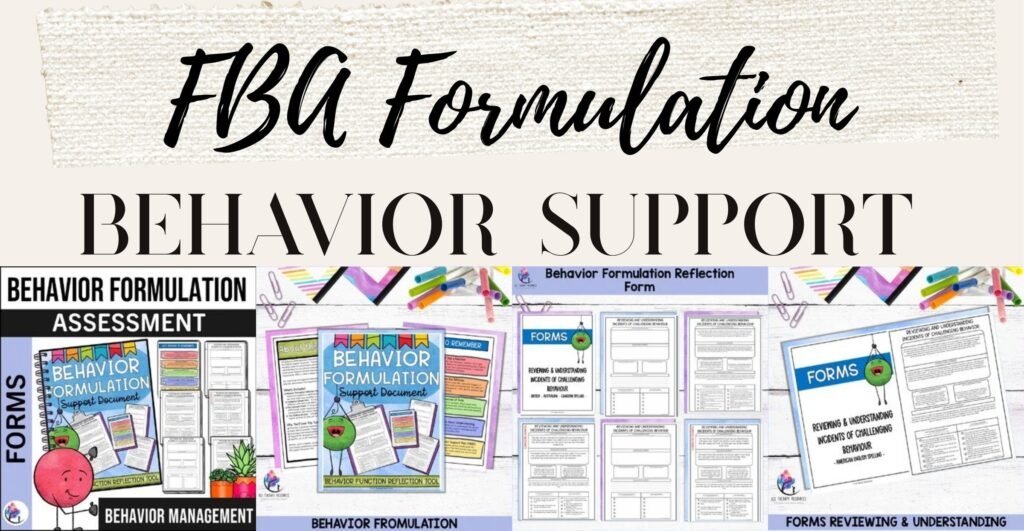
When a student’s behavior keeps disrupting learning, it is natural to focus on making it stop. Yet the same behavior can happen for completely different reasons. One student who throws a pencil may want to get out of a writing task, while another may want a laugh from classmates. A functional behavior assessment (FBA) helps school teams look past what the behavior looks like and find what it does for the student.
This guide walks through the FBA process in plain language, from ABC data to the common functions of behavior to a replacement behavior, for school counselors, teachers, behavior support staff and special education teams.
What Is a Functional Behavior Assessment?
A functional behavior assessment is a structured way of gathering information to understand why a behavior keeps happening. It is widely used in schools and grounded in long-established principles of behavior: behavior that continues is usually meeting a need for the student, even when the behavior itself causes problems.
Instead of “What is wrong with this student?” an FBA asks:
- When and where does the behavior happen most, and least?
- What usually happens right before it?
- What happens right after it, and what does the student get or avoid as a result?
- What skills might the student need to meet that same need in a safer, more appropriate way?
FBAs range from brief, informal assessments to comprehensive ones led by a school psychologist or behavior specialist. Requirements, timelines and parent consent processes vary by district and state, so check your local policies before you begin, especially if the FBA is part of an evaluation or IEP process.
Step 1: Define the Behavior So Everyone Sees the Same Thing
Words such as “defiant” or “has meltdowns” mean different things to different adults. Before collecting data, the team agrees on an operational definition: an observable, measurable description that two people watching the same moment would record the same way.
Compare these two descriptions:
- Vague: “The student is defiant during math.”
- Observable: “The student puts his head on the desk, says ‘I’m not doing this,’ and does not begin the task within two minutes of the direction being given.”
Focus on one or two priority behaviors at a time so patterns stay clear.
Step 2: Gather Information From Several Sources
Most teams combine several sources:
- Record review: attendance, discipline referrals, grades, health information and any previous plans or evaluations.
- Interviews: with teachers, support staff, the family and, where developmentally appropriate, the student.
- Direct observation: watching the behavior in the settings where it occurs, most often using ABC recording.
Student interviews are often overlooked. A calm, curious question such as “What makes math time hard for you?” can surface triggers adults had not noticed.
What ABC Observation Looks Like
ABC stands for Antecedent, Behavior and Consequence. For each incident, the observer records:
- Antecedent: what happened right before the behavior (a direction, a transition, a peer comment, a change in routine).
- Behavior: exactly what the student did, using the agreed definition.
- Consequence: what happened right after (the task was removed, peers laughed, the teacher came over, the student was sent to the hallway).
“Consequence” here does not mean punishment. It means what followed the behavior, which is often where the function becomes visible.
Tips for Collecting Useful ABC Data
- Observe across different times, subjects and settings, including times when the behavior does not happen.
- Record facts, not interpretations. Write “pushed the worksheet off the desk,” not “was angry.”
- Collect enough entries to see a pattern before drawing conclusions. One incident rarely tells the whole story.
Step 3: Look for the Function of the Behavior
The data usually points toward one or more of four common functions. A behavior can serve more than one, so treat these as a guide, not boxes.
Escape or Avoid
The behavior helps the student get away from something: a hard task, a noisy room, a demand, a social situation or an uncomfortable feeling. A common clue in the ABC data is that the behavior happens soon after a task or direction is given, and the task is then delayed, reduced or removed.
Attention
The behavior brings a reaction from adults or peers. Reprimands, laughter or a teacher walking over can all keep a behavior going. Clues include behavior that increases when adults are busy with other students and settles when someone engages with the student.
Access to Items or Activities
The behavior helps the student get something they want, such as a preferred toy, device, seat or activity, or more time with it. Clues often appear at transitions away from preferred activities or when an item is denied.
Sensory
Sometimes the behavior itself feels good or helps the student regulate sensory input, independent of anyone’s response. Rocking, humming or chewing on items may continue whether the student is alone or not. Sensory needs can overlap with medical or developmental factors, so involve specialists here.
Step 4: Write a Clear Hypothesis Statement
The hypothesis pulls everything together into one sentence the whole team can understand. A simple structure is:
“When [antecedent], the student [behavior], in order to [function].”
For example: “When given independent writing tasks longer than a few sentences, the student puts his head down and refuses to start, in order to avoid a task he finds difficult.”
A hypothesis is a best explanation based on current data, not a final verdict. If strategies built around it do not help, revisit the data.
Step 5: Turn the Hypothesis Into Prevention and a Replacement Behavior
The function tells you what the student needs, so strategies can meet that need in a healthier way instead of trying to suppress the behavior.
Prevention Strategies That Match the Function
Prevention strategies change the antecedents so the behavior is less likely to be needed. They look different depending on the function:
- Escape or avoid: break tasks into smaller chunks, offer choices, pre-teach difficult content, or build in planned breaks.
- Attention: give frequent, planned positive attention before the behavior occurs, such as quick check-ins or a classroom job.
- Access: use visual schedules, “first, then” language and transition warnings so preferred activities feel predictable.
- Sensory: offer appropriate sensory tools or movement breaks, ideally with input from an occupational therapist.
Choosing a Replacement Behavior
A replacement behavior is a more appropriate way for the student to get the same outcome. It needs to serve the same function, and it needs to be easier and quicker for the student than the challenging behavior. If asking for a break takes more effort than putting their head down, the old behavior will usually win.
Picture a student who avoids writing. A fitting replacement might be using a break card or saying, “Can I have two minutes?” The adult honors the request at first, then gradually builds in short work periods before breaks.
Try this in your next team meeting: once the hypothesis is written, ask, “What does this student need to be able to say or do instead, and how will we teach it?” Then plan who will teach the skill, when it will be practiced, and how adults will respond each time the student uses it.
Responding Without Feeding the Function
The team also agrees on how adults respond so they avoid delivering what the behavior was seeking. Sending a student out of the room for task refusal, for example, may give them exactly the escape they wanted. Redirecting calmly toward the replacement behavior helps the new skill become the more effective option.
Collaborating With Teachers and Families
An FBA works best as a shared process. Teachers see the behavior in context every day, and families often hold key information about sleep, health, changes at home and what helps outside school.
- With teachers: keep data collection simple and realistic for a busy classroom, and share what the data shows so it feels useful rather than like extra paperwork.
- With families: explain the process in everyday language, ask what they notice at home, and frame the FBA as a way to understand and support their child, not to blame.
- With students: where appropriate, include them in choosing replacement behaviors so the plan feels like something done with them.
A trauma-informed lens matters too. Some behaviors that look like defiance may be a student’s way of coping with fear or overwhelm, so stay curious about what the student is experiencing.
Once strategies are in place, keep collecting simple data on both the challenging behavior and the replacement behavior. If the first decreases and the second increases, the hypothesis is likely on track. If not, return to the ABC data.
When to Involve the School Psychologist or Behavior Specialist
Counselors and teachers can contribute a great deal to the FBA process, but some situations call for additional expertise. Consider involving your school psychologist, board certified behavior analyst or district behavior specialist when:
- The behavior is unsafe for the student or others.
- The function remains unclear after several rounds of data collection.
- The behavior is intense, frequent or getting worse despite consistent supports.
- The student has, or may need, an IEP or 504 plan, or the FBA is part of a special education evaluation or discipline process.
- Medical, developmental, sensory or mental health factors may be involved.
These colleagues can lead formal assessment methods, interpret complex data and make sure the process follows district, state and federal requirements, including consent and documentation.
Frequently Asked Questions
Who can complete a functional behavior assessment?
It depends on your district and state. Informal FBAs are often completed by teachers, counselors and behavior support staff. Formal FBAs connected to special education are usually led by a school psychologist, behavior analyst or other qualified specialist.
Do schools need parent consent for an FBA?
Consent requirements vary. In many places, an FBA that is part of a special education evaluation requires written parent consent, while informal observation may not. Check your district policy and state guidance, and involve families early either way.
How long does an FBA take?
There is no single timeline. A brief FBA might take a couple of weeks, while a comprehensive one can take longer, and local timelines may apply to formal evaluations. The aim is enough data to see a reliable pattern.
What is the difference between an FBA and a behavior intervention plan?
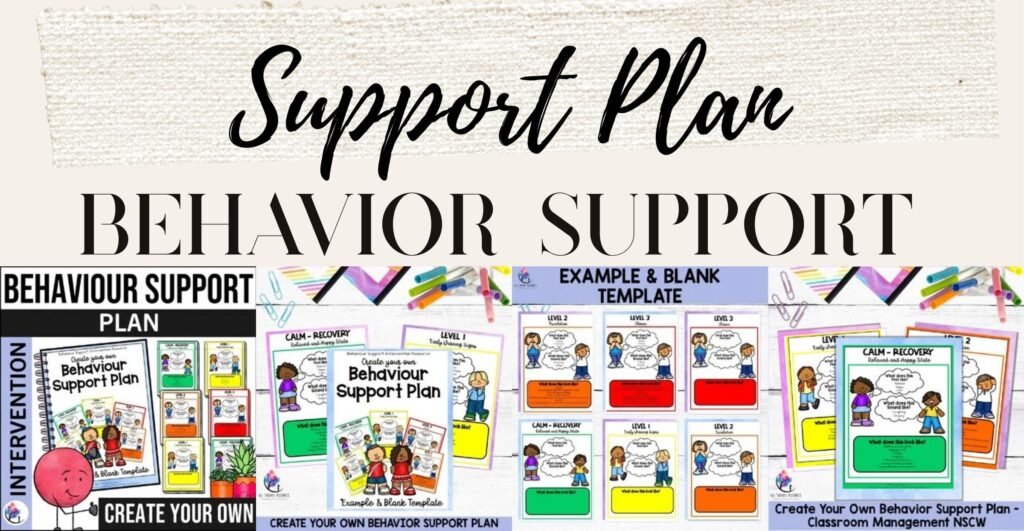
The FBA is the assessment that identifies why a behavior is happening. The behavior intervention plan (BIP) is the action plan built from it, outlining prevention strategies, the replacement behavior to teach and how adults will respond.
Can a behavior have more than one function?
Yes. A student might refuse work to avoid a hard task and also enjoy the attention it brings from peers. When data points to more than one function, the plan may need strategies for each.
Looking for practical, ready-to-use resources to support your work with functional behavior assessments and behavior support? The All Therapy Resources Membership provides access to a growing collection of thoughtfully developed behavior support activities, interactive games, and therapeutic tools designed to save preparation time while supporting meaningful, skill-focused learning.