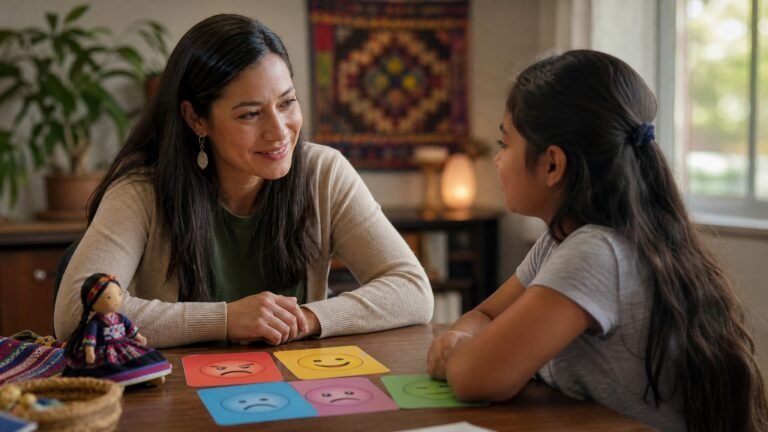
Have you ever worked with a child who seemed to be carrying the weight of the world but couldn’t quite explain why?
As school counselors, psychologists and allied health professionals, we often meet children who are unusually tuned in to the emotional world of the adults around them, especially their parents. They might talk like adults, worry about things far beyond their years, or instinctively try to “fix” the feelings of everyone in the room.
These children aren’t only aware of their caregivers’ feelings. They are absorbing them. This pattern is known as emotional parentification, and it often sits alongside what family systems practitioners call enmeshment, where emotional boundaries between parent and child become blurred. It can look like maturity on the surface, but the load underneath can be significant.
What Is Emotional Parentification?
Parentification happens when children take on adult-like roles that don’t fit their age or stage. A large systematic review by Dariotis and colleagues (2023) describes it as youth assuming “developmentally inappropriate parent- or adult-like roles.” This can be instrumental (practical tasks such as caring for siblings, cooking or managing household jobs) or emotional (comforting, listening to or calming a parent, or becoming their confidant).
In other words, the child doesn’t just see their parent’s sadness, anger or worry. They carry it. This rarely comes from a lack of love. It often develops when a family is under strain (illness, separation, financial stress or a parent’s own mental health difficulties) and the child steps in to help.
Common signs of emotional parentification in children
- Saying things like “I have to make Mom happy” or “I can’t tell Dad, it will upset him”
- Showing excessive guilt, worry or fear of disappointing adults
- Taking on a caregiving role at home (emotional or practical)
- Difficulty identifying or expressing their own feelings
- Strong emotional reactions to family conflict, even when not directly involved
- Reluctance about separation, independence or changes in routine
- High sensitivity to adult moods and facial expressions
None of these signs on its own means a child is parentified. They are prompts for curiosity, not a checklist for diagnosis.
Why It’s So Easy to Miss in the School Setting
In schools and therapy rooms, children carrying a parent’s emotions often present as:
- “Mature for their age”
- “Well-behaved” and compliant
- “Deeply empathetic” or “highly sensitive”
- Eager to please or to avoid conflict at all costs
Because they rarely disrupt and often seem attuned to adults, their distress can fly under the radar until anxiety, exhaustion or identity confusion surface. (Our article on why compliance isn’t the same as emotional health explores this further.)
Picture a student who is always checking on others, asking if you’re tired, whether you’ve had lunch, or if you’re “having a hard day.” She seems sweet, even motherly. Over time, you may notice she is working harder to manage your feelings than her own. Her questions aren’t only curiosity. They may be a way of staying safe: she has learned that things feel okay when the adults around her are okay.
Understanding the Impact on a Child’s Mental Health
When children become emotionally responsible for a parent, it can affect their development in subtle but meaningful ways:
- Loss of emotional clarity: they may struggle to name or trust their own emotions because they are constantly tuned in to someone else’s.
- Anxiety and hypervigilance: being emotionally “on call” is stressful.
- Self-worth tied to helping: their value can become linked to being useful or needed.
- Guilt and shame: they may blame themselves for a parent’s mood, or feel guilty for wanting space or fun.
- Difficulty with peer relationships: they may feel different, overly responsible, or unable to relate to more carefree peers.
In the Dariotis review, internalizing problems such as anxiety and low mood were among the most common negative outcomes, particularly with emotional parentification. The same review found that some young people show resilience, and that perceived fairness and support from people such as teachers were linked with better outcomes. The adults around a child matter.
Spotting the Subtle Clues in Sessions and Classrooms
A few gentle observations can help you notice it.
Listen to their language
Phrases like “I have to keep Mom calm” or “Dad needs me to stay with him” can show that a child feels responsible for a caregiver’s emotional state.
Notice their emotional responses
Do they freeze when others are upset? Apologize excessively? Offer adult-level comfort to peers or teachers?
Explore their art and play themes
Look for repeated roles involving caretaking, rescuing, fixing or being “the helper.” Treat these as themes to wonder about together, not as evidence.
Gently ask about life at home
Are they aware of adult problems (money, work stress, relationship difficulties) in detail? Do they feel responsible for managing them? Keep questions open and low-pressure, such as “Who helps you when you’re worried?” or “What do you do when Mom has a hard day?”
Occasionally these conversations reveal more than emotional strain, such as a child missing out on basic care, caring for a parent in crisis, or describing harm.
If a child’s story raises safety concerns: stay calm, thank them for telling you, and listen without pressing for details. Do not promise to keep it a secret. Follow your school or district protocol and your mandated reporting obligations, and consult your supervisor or child protection lead as needed.
USA: 988 Suicide & Crisis Lifeline (call or text 988, or chat at 988lifeline.org); Childhelp National Child Abuse Hotline 1-800-422-4453; emergencies 911.
Australia: Lifeline 13 11 14 (text 0477 13 11 14); Kids Helpline 1800 55 1800; your state or territory child protection service; emergencies 000.
How to Support a Child Carrying a Parent’s Emotions
The goal isn’t to pathologize the child or criticize the family. It is to gently help the child separate their own emotional world from the adults around them, while honoring the love and loyalty they feel.
1. Create emotional boundaries through language
Try phrases like:
- “You care a lot about your mom’s feelings, and your feelings matter too.”
- “It’s not your job to make everything okay. Grown-ups are in charge of solving grown-up problems.”
- “What would you like, if you didn’t have to worry about anyone else?”
2. Use creative tools to externalize the pressure
Drawing and sorting activities help children see what they are carrying without having to explain it all in words:
- “My Feeling Bubble”: What’s mine? What belongs to someone else?
- “Who Carries What?”: a backpack drawing showing whose worries the child is carrying
- “My Job / Not My Job” sorting cards: to help clarify which responsibilities belong to children and which belong to adults
These gentle, play-based approaches allow exploration without blame.
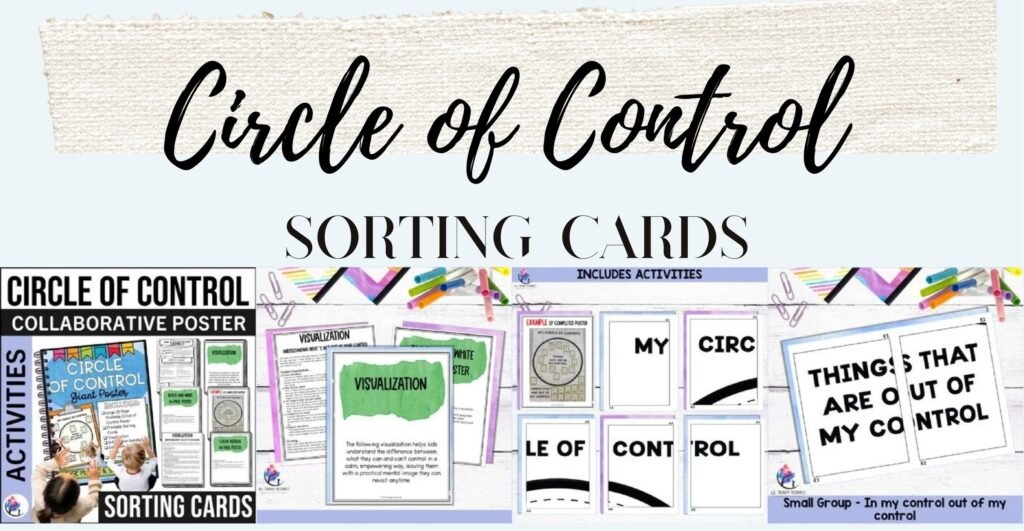
Try this in your next session: “My Job / Not My Job” maps neatly onto the idea of control. Our Circle of Control Activities combine a large collaborative poster, printable sorting cards and a guided visualization, for children and teens in individual or small group sessions. Add a few cards of your own, such as “Making Mom feel better” or “Fixing grown-up money problems,” so the child can place them outside the circle: a concrete, guilt-free way to put down responsibilities that were never theirs.
3. Offer co-regulation without role reversal
Rather than reinforcing a child’s habit of “fixing” adults, model healthy emotional sharing. If a child asks how you’re feeling, you might say: “Thanks for asking. That’s kind of you. I’m okay, and I know how to take care of myself.” This shows the child that adults can have feelings and manage them without the child stepping in. (For more on attuning to a child’s state, see Co-Regulation Isn’t Always Calm.)
4. Rebuild inner safety
Children who carry a parent’s emotions often need help feeling safe simply being themselves. Notice and celebrate small moments of independence, self-expression and emotional honesty.
Picture a child who has spent weeks asking about your feelings. One day they say, “I felt nervous at school today.” You might smile and respond, “Thank you for telling me about your feeling. That’s important too.” It is a small moment, but it tells the child: you matter, even when you’re not helping others.
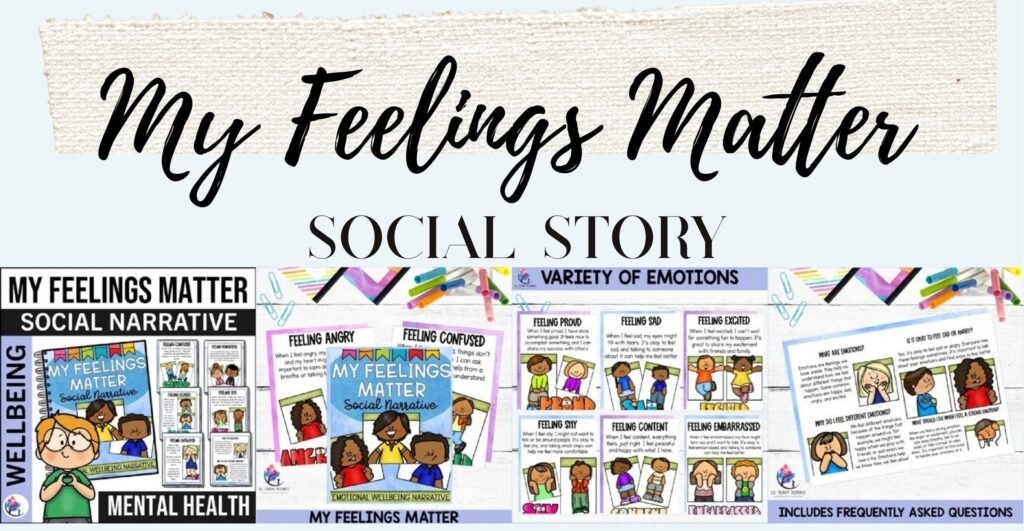
Try this in your next session: with younger children, the My Feelings Matter Social Narrative Story pairs a range of emotions with relatable illustrations and simple strategies. Read it together, then pause on a page and ask, “What would you need if you felt this way?” to keep the focus on the child’s own needs. One reviewer who used it in their sessions shared that “it really empowered my students to express their emotions confidently.”
Working with Families: Gentle, Respectful Invitations
While it can be tempting to jump straight to the family dynamic, tread gently. Caregivers may not be aware of the emotional role their child has taken on, often because they are overwhelmed, isolated, unwell or doing their best with limited support.
Instead of blame, try:
- “Your child seems to care a lot about how others feel. Can we talk about how to help them carry just their own feelings?”
- “They show such strong empathy, which is lovely. Let’s also make sure they have plenty of room to just be a kid.”
When families feel seen rather than judged, they are more open to reflection, and a parent who is struggling can be connected with their own support. Our guide to parent communication tips for counselors offers more language for these conversations.
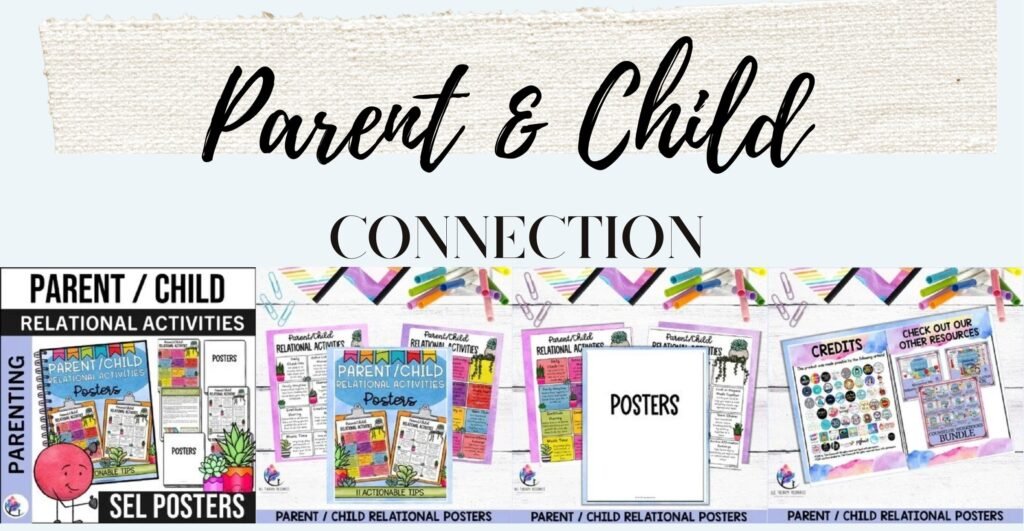
Try this with families: a visual can feel less personal than direct feedback. Our Parent / Child Relational Posters offer 11 simple, cost-free connection activities for parent meetings, family sessions and parenting workshops. Invite parent and child to choose a favorite idea together, so the parent leads and the child can simply enjoy. One reviewer used them “to support conversations around attachment and connection,” noting clear, practical reminders for strengthening parent–child relationships.
Final Thoughts: Helping Kids Return to Themselves
When a child carries a parent’s emotions, they can lose sight of where they end and others begin. Our role is to help them come home to themselves, rediscovering their own thoughts, feelings and identity, free from emotional responsibility that was never theirs to carry.
We do this not by blaming families, but by gently making the invisible weight visible, and by showing children, again and again: You are allowed to just be you. Your job is to grow, explore and feel, and that’s more than enough.
Frequently Asked Questions
What is emotional parentification?
Emotional parentification is when a child takes on the role of emotional support for a parent, for example by comforting them, acting as their confidant or feeling responsible for their mood. It differs from instrumental parentification, which involves practical tasks such as housework or sibling care.
Is it the same as emotional enmeshment?
The terms overlap. Enmeshment describes blurred emotional boundaries in a family relationship, while emotional parentification describes the child stepping into a supportive, adult-like role. A child can experience both at once.
Is helping out at home always harmful?
No. Age-appropriate responsibilities can be a healthy part of family life. Research suggests outcomes are better when a child’s contributions feel fair, are acknowledged, and are balanced by adult support. Concern grows when the load is ongoing, unacknowledged, or beyond the child’s developmental stage.
Looking for practical, ready-to-use resources to support your work with children carrying big family emotions? The All Therapy Resources Membership provides access to a growing collection of thoughtfully developed counseling activities, interactive games, and therapeutic tools designed to save preparation time while supporting meaningful, skill-focused learning.