Picture a small group of third graders who go quiet the moment you ask, “So, how do you handle it when a friend leaves you out?” Now picture the same group leaning in to read a card, debating which choice they’d make, and laughing as they try a role-play. The topic hasn’t changed. The format has. SEL discussion card games give school counselors and teachers a simple, structured way to get students talking, thinking and practicing real-life skills. This guide covers why they work, how to set them up safely, and practical ways to use them in groups, individual sessions and classrooms with students in grades 3-6.
Why Discussion Card Games Work for Social-Emotional Learning
Social-emotional skills are learned the way most skills are: through explanation, modeling and lots of practice. A large meta-analysis of 213 school-based SEL programs, involving more than 270,000 students from kindergarten through high school, found that participating students showed improved social and emotional skills, attitudes, behavior and academic performance compared with control groups (Durlak et al., 2011). The same study found that how well programs were implemented made a difference to outcomes.
A card game is not an SEL program on its own. What it can do is give students the regular, active practice that skill-focused learning depends on. Cards help in a few practical ways:
- They lower the pressure. Students respond to a scenario on a card, not a question about their own life, which can feel much safer.
- They build in turn-taking. The structure of a game gives every student a turn to speak and a turn to listen.
- They keep things moving. Drawing a new card is an easy way to move on when one conversation has run its course.
- They feel like play. Many students who resist a “lesson” will happily join a game.
Setting Up a Safe Space for Discussion
Before the first card is drawn, take a few minutes to set the tone. Good discussion depends on students feeling emotionally safe, and that’s especially important for students who have experienced trauma or who are anxious about speaking in a group.
- Create group agreements together. For example: one person talks at a time, we listen without laughing at others, and what’s shared in the group stays in the group (with a clear explanation of when adults need to share information to keep someone safe).
- Offer a “pass” option. Every student can pass on any card. Knowing they won’t be forced to answer often makes students more willing to join in.
- Keep the focus on scenarios. If a student starts sharing something personal or concerning, thank them, gently redirect the group, and follow up privately afterward.
- Know your school’s procedures. If a student discloses something that raises a safety concern, follow your school or district protocol and mandated reporting requirements.
Try this in your next session: Introduce the pass option with a script: “In this game, you can always say ‘pass’ and we’ll come back to you later, or not at all. That’s okay. Listening is part of the game too.” Then model it yourself on the first round so passing feels normal.
Five Ways to Use SEL Discussion Cards
The same set of cards can serve many purposes across your week. Here are five settings where discussion games work well.
| Setting | How to run it | Suggested ATR resource |
|---|---|---|
| Small group counseling | Use cards as the main activity, with each student drawing in turn and the group responding. | Think It Through Card Games |
| Individual counseling | Use two or three cards as a warm-up or conversation starter before the main focus of the session. | Counseling Interventions |
| Whole-class SEL lessons | Read a card aloud, have students discuss in pairs, then share a few ideas with the class. | Printable Games |
| Morning meeting | Choose one card as the day’s discussion question or a quick “Would you rather?” vote. | Friendship resources |
| SEL center or calm-down corner | Leave a small, pre-selected set of cards for pairs to talk through independently. | Conflict Resolution resources |
For more game ideas organized by age, see our guide to printable games for social skills groups.
Choosing the Right Card for the Moment
Not every card type does the same job. A quick “Would you rather?” question is a great warm-up, while a scenario card (“What would you do?”) asks students to apply a skill. Fact-or-myth style cards are useful for correcting misunderstandings, and teamwork cards get the whole group working together.
A simple session flow might look like this:
- Warm up with one or two light cards so everyone has spoken early.
- Teach or review one key idea, briefly.
- Apply it with scenario cards, inviting students to explain their thinking.
- Close by asking each student to name one thing they’ll try this week.
From our counseling room to yours: Our Friendship Skills Think It Through Card Game is built around this kind of mix. Designed for grades 3-6, it includes 96 discussion cards across 12 mini topics and 8 card categories, including Learn It, What Would You Do?, Would You Rather?, Dig Deeper, Fact or Myth?, Game Changer, Brain Boost and Team Up, plus a guide to how each category builds learning. Students practice starting conversations, joining in, showing kindness and empathy, handling disagreements and including others. It’s a natural fit for a lunch bunch friendship group, where you can choose a few cards from one mini topic each week.
Making the Conversation Stick
The discussion is where the learning starts, not where it ends. A few facilitation habits help students carry skills beyond the game:
- Ask follow-up questions. “What might happen next?” and “How do you think the other person felt?” stretch students’ thinking past the first answer.
- Turn answers into practice. When a student suggests what they would say, invite them to try saying it out loud as a quick role-play.
- Connect to real life (without pressure). “Where might this happen at our school?” keeps the focus general while making the skill feel relevant.
- Revisit next time. Start the following session by asking whether anyone tried the skill.
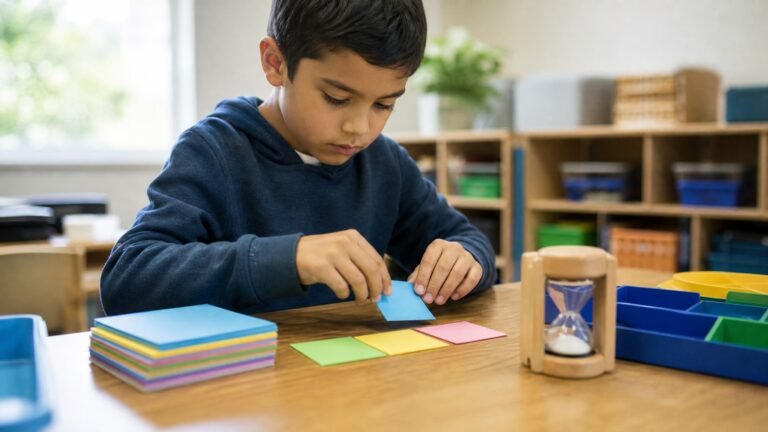
Try this in your classroom: After a card discussion, write the group’s best idea on a sticky note and add it to a “Skills We’re Practicing” board. Over a few weeks, students build a visual record of strategies they came up with themselves.
Conflict scenarios are some of the most useful cards to turn into practice, because students can rehearse the exact words they’d use. Our Conflict Resolution Think It Through Card Game helps students in grades 3-6 understand common causes of conflict, see another point of view, use “I” statements, compromise and repair relationships after a disagreement. Try drawing a scenario card, asking two students to act out the conflict, and then letting the group suggest a win-win solution.
Matching Games to Your Group’s Goals
Discussion games are most effective when the topic matches what your students are working on. If you’re planning a full small group, our menu of small group counseling topics by grade level can help you choose a focus first, then select cards that support it.
For students who struggle when plans change or who get stuck on one way of doing things, a flexible thinking focus can be a good fit. Our Flexible Thinking Think It Through Card Game helps students in grades 3-6 notice stuck thinking, cope with unexpected changes and transitions, and see more than one way to solve a problem. It works well with a group of students who find transitions hard, using a few cards at the start of each session to build a shared language for “getting unstuck.”
Frequently Asked Questions
How many students should play an SEL card game at once?
For small group counseling, four to six students usually gives everyone enough turns while keeping the conversation lively. In a whole-class lesson, have students discuss cards in pairs or small groups, then share back with the class.
What if a student shares something personal during the game?
Thank the student, keep your response calm, and gently bring the group back to the scenario. Follow up privately afterward. If what they shared raises a safety concern, follow your school or district protocol and mandated reporting requirements.
Can discussion cards be used in individual counseling?
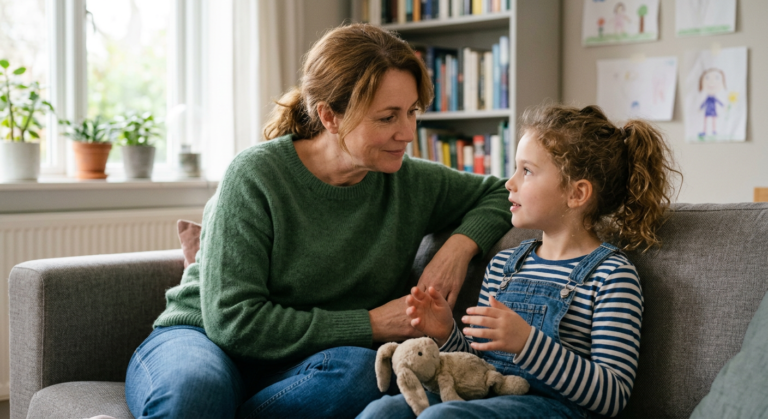
Yes. In individual sessions, a few cards can be a gentle warm-up or a way to approach a topic indirectly. Many students find it easier to talk about a scenario on a card before they’re ready to talk about their own experiences.
Looking for practical, ready-to-use resources to support your SEL lessons and small groups? The All Therapy Resources Membership provides access to a growing collection of thoughtfully developed counseling activities, interactive games, and therapeutic tools designed to save preparation time while supporting meaningful, skill-focused learning.