
One thing I’ve learned over the years is that children often decide how safe a classroom feels long before they fully engage academically inside it.
Sometimes that decision happens quietly.
In the way the teacher greets them at the door.
In whether someone notices they are nervous.
In whether they feel included during group activities.
In whether mistakes feel emotionally survivable.
In whether the room feels calm, predictable, and relational rather than overwhelming or performative.
And honestly, I think back-to-school season is about so much more than routines, seating charts, and curriculum pacing.
It is about nervous systems.
Because every child walks into a classroom carrying something different.
Some children arrive excited and socially confident.
Some arrive exhausted from chaotic mornings.
Some arrive already anxious about friendship groups.
Some are grieving.
Some are masking neurodivergent needs.
Some are terrified of getting things wrong.
Some are scanning the room quietly wondering:
“Will I belong here?”
Children rarely ask those questions out loud.
But their nervous systems ask them constantly.
That is why building classroom community matters so deeply at the beginning of the school year.
Because connection is not an “extra.”
Connection is what allows many children to feel safe enough to learn.
The Nervous System Needs Safety Before It Can Fully Learn
One thing neuroscience continues showing us is that emotional regulation and learning are deeply connected.
When children feel chronically stressed, socially unsafe, emotionally overwhelmed, or hypervigilant, the brain prioritizes protection over higher-level learning. The prefrontal cortex — the area responsible for attention, planning, emotional regulation, impulse control, and problem-solving — functions best when children feel psychologically safe and regulated.
And honestly, many children enter school environments carrying far more stress than adults fully realize.
Some children are already dysregulated before the first lesson even begins.
That dysregulation may look like…
withdrawal,
clinginess,
defiance,
shutdown,
silliness,
perfectionism,
hyperactivity,
or emotional reactivity over seemingly small things.
Children rarely say:
“My nervous system feels unsafe in this environment.”
Instead we see the behavior sitting on top of those feelings.
That is why emotionally safe classroom communities matter so much.
Not because we are trying to create “perfect behavior.”
But because children learn more effectively when they feel:
safe,
connected,
seen,
and emotionally supported.
Classroom Community Is Built Through Hundreds of Small Moments
Honestly, I think adults sometimes imagine classroom community as one big activity or bulletin board display.
But classroom community is usually built through repeated micro-moments over time.
It develops through…
predictable routines,
warm greetings,
shared laughter,
repair after conflict,
safe collaboration,
emotional consistency,
and children repeatedly experiencing: “I matter here.”
That feeling is incredibly important developmentally.
Especially for children who struggle socially, emotionally, or academically.
Because some students arrive at school already carrying quiet beliefs such as:
“I’m annoying.”
“I’m behind.”
“Nobody likes me.”
“I always get in trouble.”
“I’m bad at school.”
And honestly, classroom culture either softens or strengthens those internal narratives over time.
That is why intentional community-building matters so deeply during the first weeks of school.
SEL Is Not Separate From Learning — It Supports Learning
One thing I think schools are becoming increasingly aware of is that Social Emotional Learning is not something that sits “beside” academics.
SEL supports the emotional and neurological foundations children need in order to access academics successfully.
Research consistently highlights that SEL supports emotional regulation, relationship skills, self-awareness, responsible decision-making, and academic outcomes because children learn more effectively when they can regulate emotions, manage stress, and feel connected socially.
And honestly, many classroom difficulties are not simply “behavior problems.”
They are relationship, regulation, and nervous system problems.
A child struggling to collaborate may actually fear rejection.
A child refusing group work may feel socially unsafe.
A perfectionistic student may be terrified of embarrassment.
A highly disruptive child may actually be dysregulated and seeking connection through behavior.
When we begin seeing children through this lens, our interventions shift.
We stop asking: “How do I control this classroom?”
And instead begin asking: “How do I create an environment where children feel emotionally safe enough to participate, connect, and learn?”
That is where true classroom community begins.
Predictable Routines Help Children Feel Safe
Children rely on predictability for emotional regulation.
Children feel safer when they understand:
what is happening,
what is expected,
who is there,
and what comes next.
For some students, especially anxious or neurodivergent learners, unpredictability can feel neurologically exhausting.
That is why back-to-school routines matter so much.
Not because classrooms need rigid control.
But because predictable structure helps many nervous systems relax enough to engage.
Simple things like:
morning check-ins,
visual schedules,
consistent transitions,
collaborative expectations,
and repeated classroom rituals
can become surprisingly regulating for children emotionally.
And honestly, many children are not needing “stricter discipline” nearly as much as they are needing emotionally safe predictability.
Teamwork Activities Are Really About Belonging
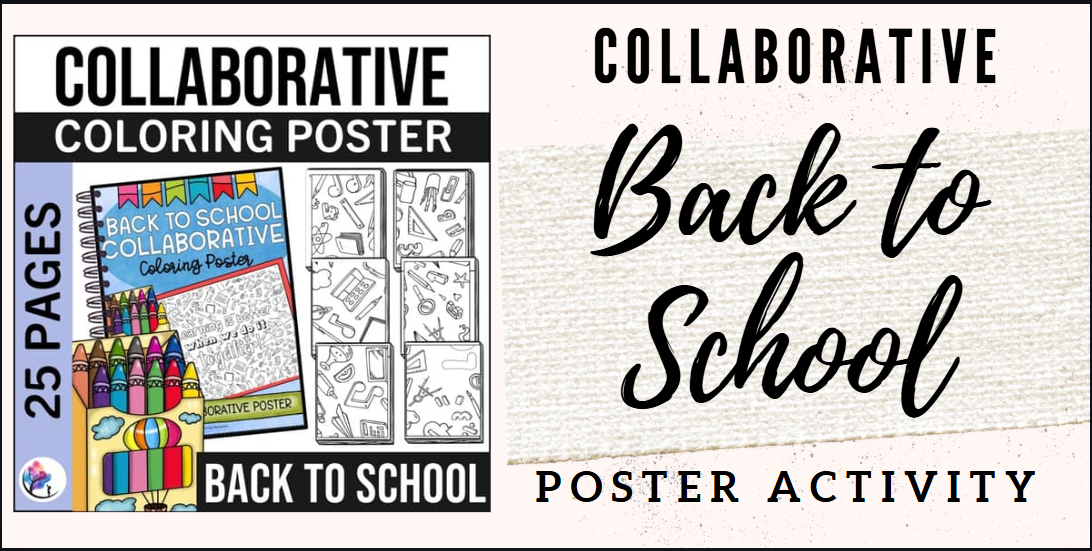
One thing I love about collaborative classroom activities is that they create opportunities for children to experience themselves as part of a community rather than isolated individuals.
That matters deeply.
Because humans regulate through connection.
When children participate in teamwork tasks, collaborative projects, classroom discussions, or shared problem-solving experiences, they are not only learning social skills.
They are practicing…
perspective-taking,
communication,
emotional flexibility,
cooperation,
conflict resolution,
and shared responsibility.
But underneath all of that is something even more important: belonging.
And honestly, belonging is one of the strongest protective factors we can help build in schools.
Children who feel connected are often more willing to…
participate,
take learning risks,
repair mistakes,
ask for help,
and remain engaged academically and socially.
Counselors Often Notice the Emotional Undercurrent First
One thing I think school counselors understand deeply is that the beginning of the school year often reveals emotional patterns very quickly.
Counselors notice…
the child eating lunch alone,
the child masking anxiety through humor,
the student already avoiding work,
the child struggling with transitions,
the perfectionistic student holding back tears,
the socially overwhelmed child becoming dysregulated by noise and unpredictability.
And honestly, many of those children do not need immediate “fixing.”
They need connection.
They need emotionally safe adults who notice them before the behavior escalates.
That is why collaboration between counselors and teachers matters so much at the start of the year. Classroom community is strongest when emotional wellbeing is viewed as everyone’s responsibility rather than something isolated to counseling sessions alone.
Emotional Safety Increases Participation
One thing I have learned over the years is that emotionally safe classrooms often sound and feel different.
Children are more willing to:
ask questions,
take risks,
attempt difficult tasks,
participate socially,
recover after mistakes,
and express themselves authentically.
Not because they are never dysregulated.
But because they trust the environment enough to stay engaged through discomfort.
And honestly, that trust is built slowly.
Through adults who respond consistently.
Through classrooms where mistakes are normalized.
Through collaborative experiences where children feel included rather than judged.
Through routines that create predictability instead of chaos.
Those experiences shape nervous systems over time.
Get the Tea with Angie – Founder of All Therapy Resources
One thing I’ve learned over the years is that children often spend the first few weeks of school quietly asking themselves:
“Is this a place where I can safely be myself?”
And honestly, the answer to that question impacts everything else.
It impacts participation.
Confidence.
Learning.
Behavior.
Friendships.
Emotional regulation.
Risk-taking.
And sometimes even school attendance itself.
Some children walk into classrooms already emotionally open and trusting.
Others arrive guarded.
Not because they are difficult.
But because previous experiences taught them school may not always feel emotionally safe.
That is why I care so deeply about intentional classroom community building.
Not because I think classrooms need to be perfect.
But because children deserve environments where they can slowly exhale enough to learn, connect, and grow.
Sometimes one emotionally safe teacher changes how a child experiences school entirely.
And honestly?
Children remember those environments for years.
Remember
Building classroom community is about far more than icebreakers or classroom décor.
At its core, it is about creating emotionally safe environments where children feel…
connected,
included,
valued,
regulated,
and supported enough to learn.
Because nervous systems learn through safety, connection, predictability, and relationship.
When children feel emotionally secure within a classroom community, teamwork, collaboration, learning, and wellbeing often begin strengthening naturally alongside it.
Continue Creating Classrooms Where Students Feel They Belong
Strong classroom communities are not built through rules alone.
They are built through connection, emotional safety, trust, regulation, and meaningful relationships that help students feel seen, valued, and supported from the very beginning of the school year.
Inside the All Therapy Resources Membership, you’ll find a growing collection of trauma-informed SEL, counseling, wellbeing, and classroom community resources designed to help educators:
• Build positive classroom culture
• Strengthen connection and belonging
• Support emotional regulation and wellbeing
• Foster teamwork and respectful relationships
• Create emotionally safe learning environments
• Encourage communication, empathy, and collaboration
• Support smoother back-to-school transitions
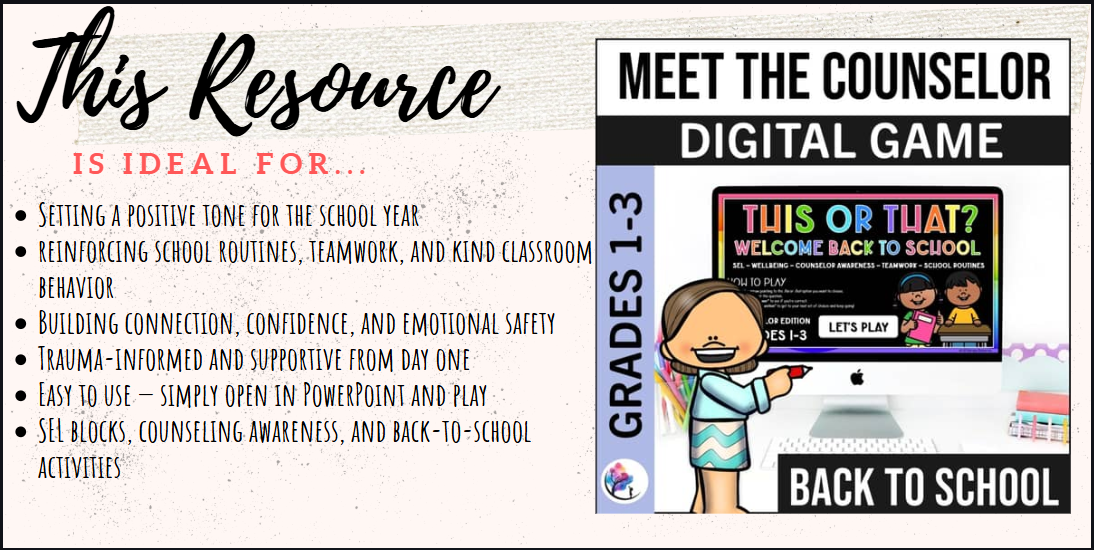
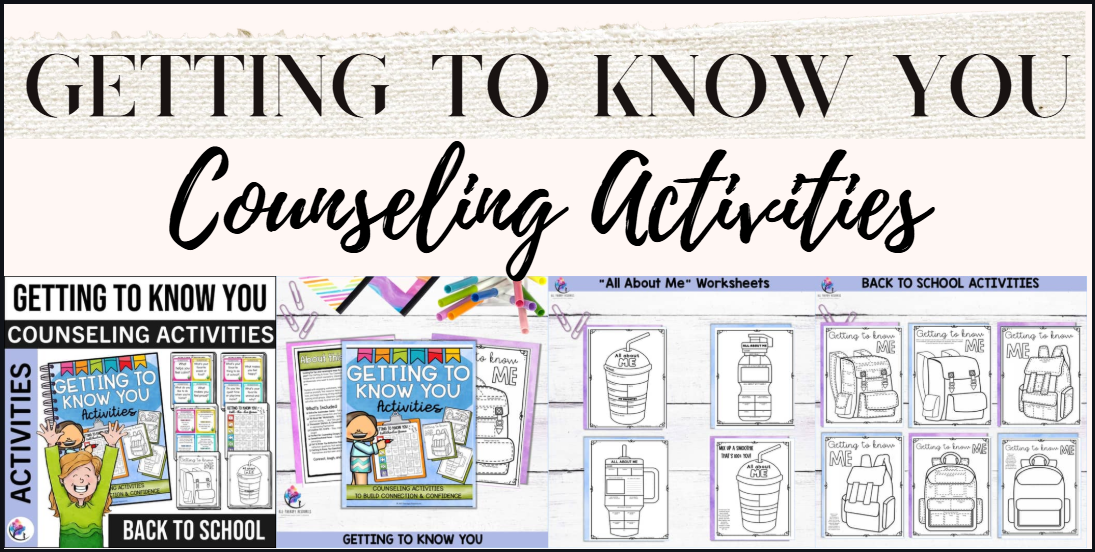
Many of the resources discussed throughout this article, including our classroom community activities, teamwork lessons, SEL games, and relationship-centered counseling supports, are already included inside the membership.
New resources are added regularly to support real-world classroom, counseling, and therapeutic practice throughout the school year.