

Mental health activities for teens can help young people understand what they are feeling, recognize when something has changed and develop practical ways to cope and reach out for support. In high school counseling, these conversations can be incredibly valuable because teenagers do not always arrive with the words to explain what is happening inside them.
Ask a teenager, “How are you?” and there is a fairly good chance you will hear, “Fine.” Sometimes they genuinely are fine, but sometimes fine means tired, overwhelmed, worried, disconnected, stressed or simply, “I don’t really know how to explain this yet.”
This is why I like using structured activities when exploring mental health and wellbeing. A thoughtful activity gives us something to look at together, taking some of the pressure away from the teenager while still creating opportunities for meaningful therapeutic conversation.
For me, the aim is never simply to complete the worksheet. Sometimes the worksheet isn’t the intervention; the conversation that happens because of the worksheet is.
Why Mental Health Activities for Teens Matter
Mental health education should not begin only when a teenager reaches crisis point. Students benefit from learning how to recognize stress, understand emotions, notice changes in their wellbeing, develop coping strategies and identify people they can approach for support.
Good mental health activities for teens can help build that awareness without encouraging students to diagnose themselves or one another. Instead of teaching teenagers to search for a label, we can teach them to become curious about their own patterns and experiences.
What happens to my sleep when I am stressed? When do I begin withdrawing from people?
What thoughts tend to appear when I am overwhelmed? What actually helps me feel more regulated?
Who would I talk to if things became difficult?
These are practical mental health skills. They help students understand that wellbeing is something we can notice, talk about and actively support.
Start With Safety Before Starting the Mental Health Activity
Before using mental health activities for teens, I think we need to consider the emotional safety of the students in front of us. We rarely know everything a teenager has experienced, particularly when we are working with a class or counseling group.
A student may have personal experience with anxiety or depression. Another may have experienced self-harm, suicide, trauma, substance use or significant mental illness within their family or friendship group. That means mental health topics should never automatically require personal disclosure. Students can write privately, discuss hypothetical situations, respond to general questions or pass when something feels too personal. They can also participate by listening.
From a trauma-informed perspective, this gives young people some control over what they share and when they share it. We can create meaningful conversations without requiring students to expose vulnerable parts of their lives in order to prove they participated.
Mental Health Activity: Use a Wellbeing Continuum
One of my favorite mental health activities for teens is introducing mental health as a continuum rather than dividing people into “mentally healthy” and “mentally unhealthy.”
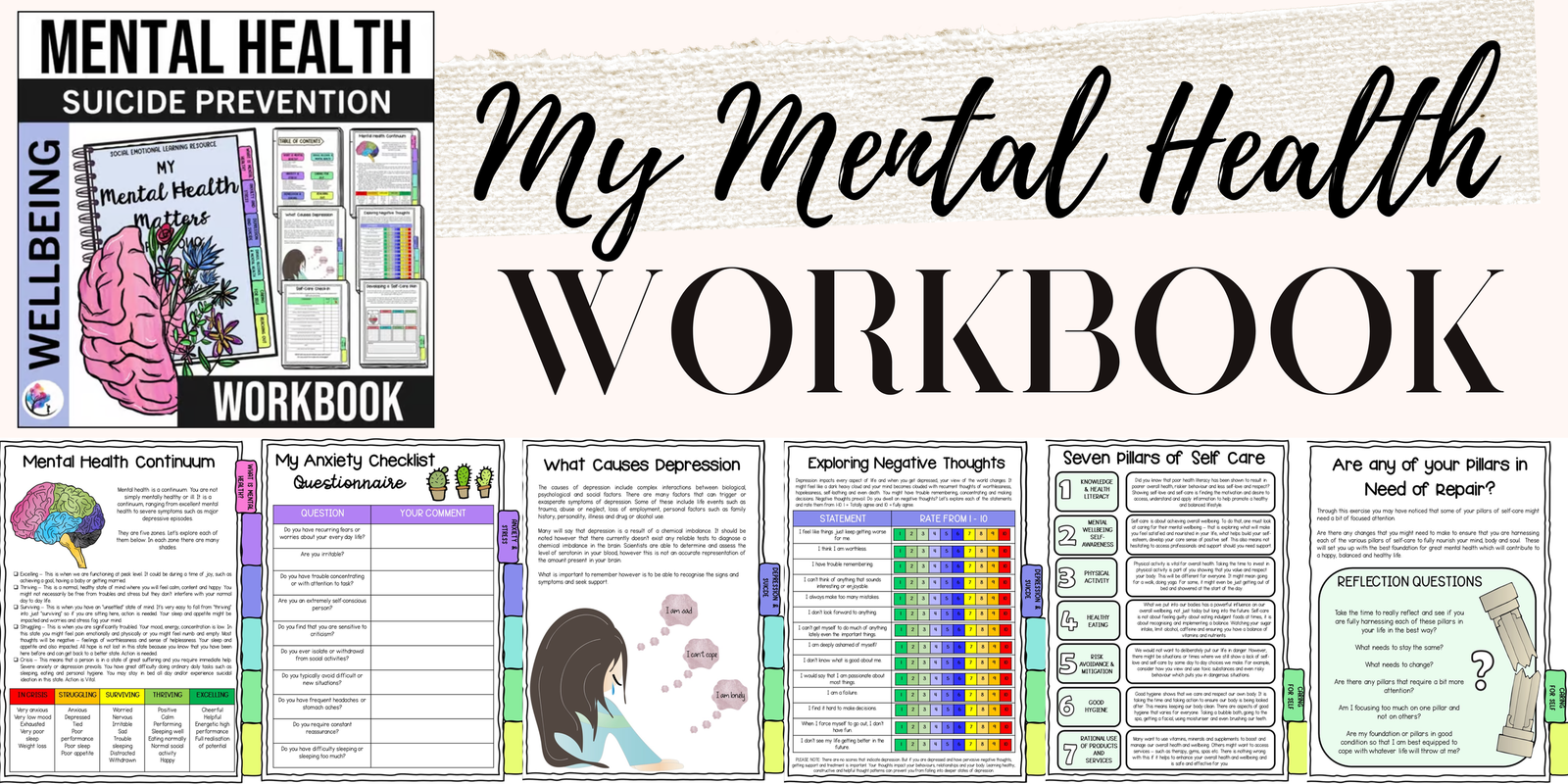
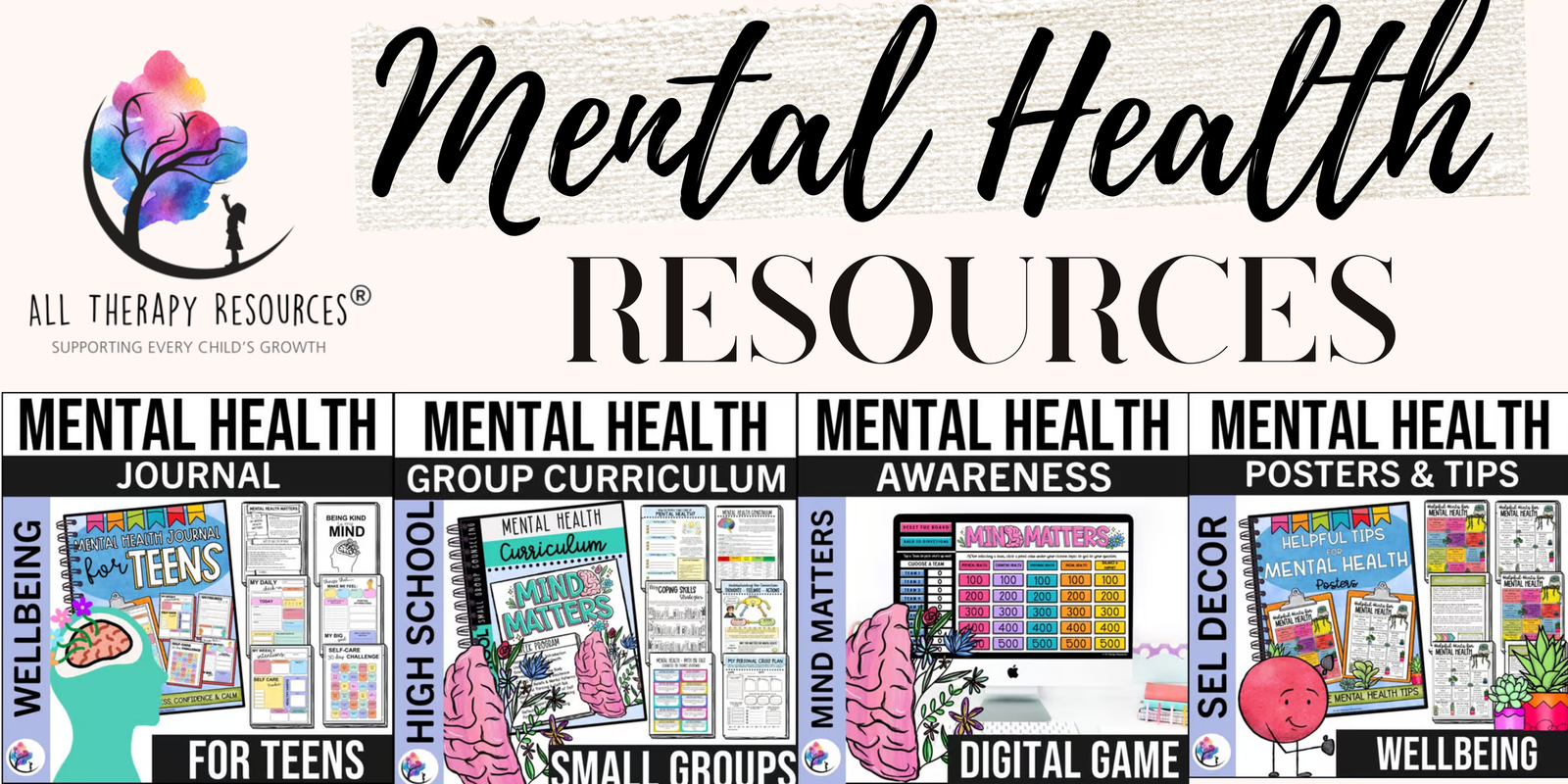
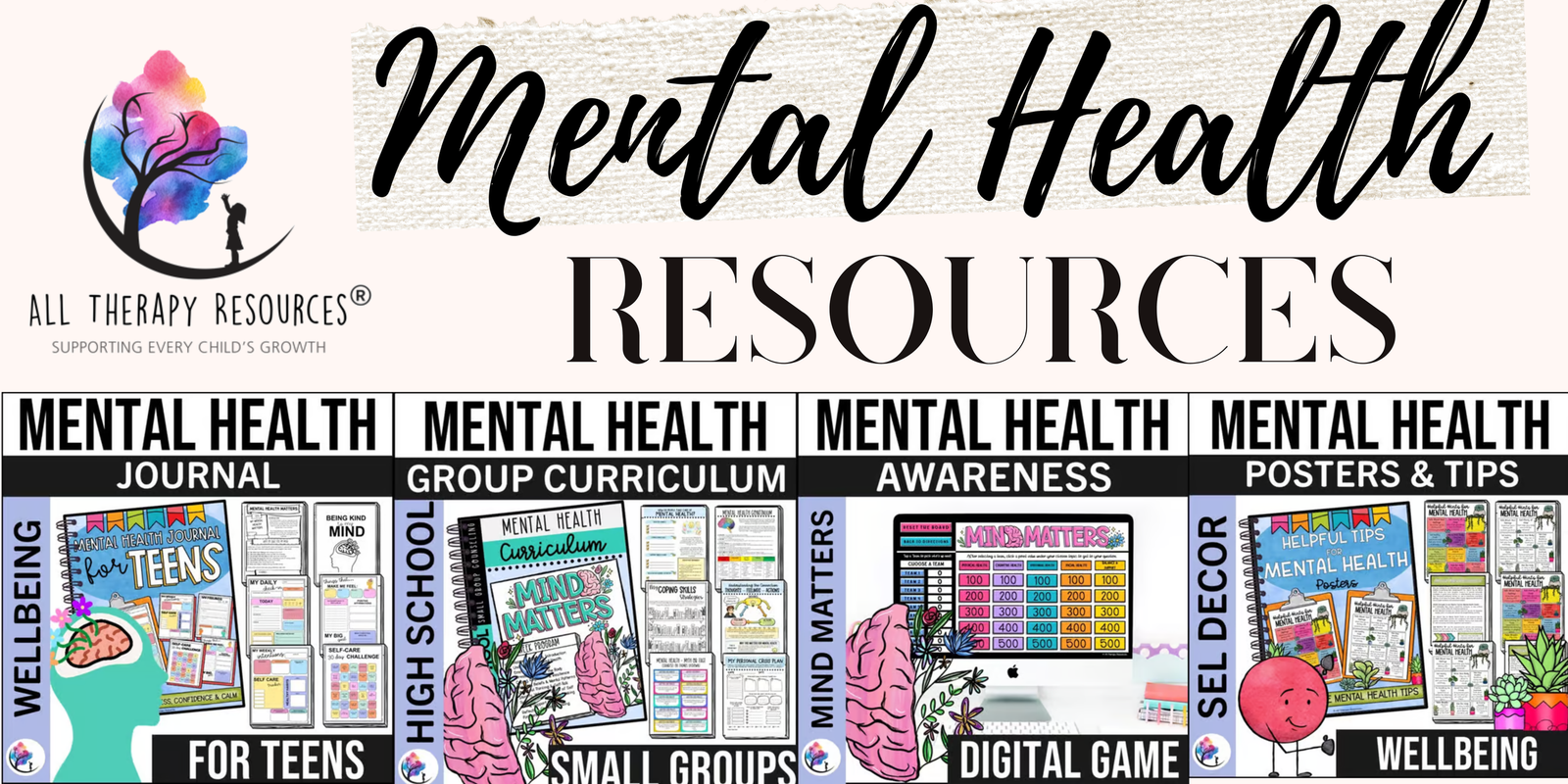
Our Mental Health Matters Portfolio includes a mental health continuum that allows students to consider where they have spent their time across a week. The purpose is not to diagnose themselves, but to begin noticing movement and change.
I might ask a student, “Where do you think you’ve spent most of your time lately?” Then I might follow with, “What tends to move you in one direction or the other?” Suddenly, we have somewhere useful to go. A student might notice that poor sleep changes everything. Another may realize they feel considerably better on days when they spend time with friends or worse when academic pressure increases.
Why This Helps Therapeutically
A continuum helps move students away from all-or-nothing thinking about mental health. They do not have to decide whether they are completely “fine” or seriously struggling before their experiences deserve attention.
It also supports early recognition. A teenager may not be in crisis, but they might recognize that they have gradually moved away from their usual level of wellbeing. That is worth noticing. The earlier young people recognize change, the earlier they may be able to use support.
Mental Health Activity: Map Stress in the Body
Teenagers sometimes recognize physical distress before they have language for the emotion underneath it. They may tell you they are fine while also mentioning that their stomach hurts every morning, they cannot sleep, their jaw is constantly tense or they get headaches before a particular class.
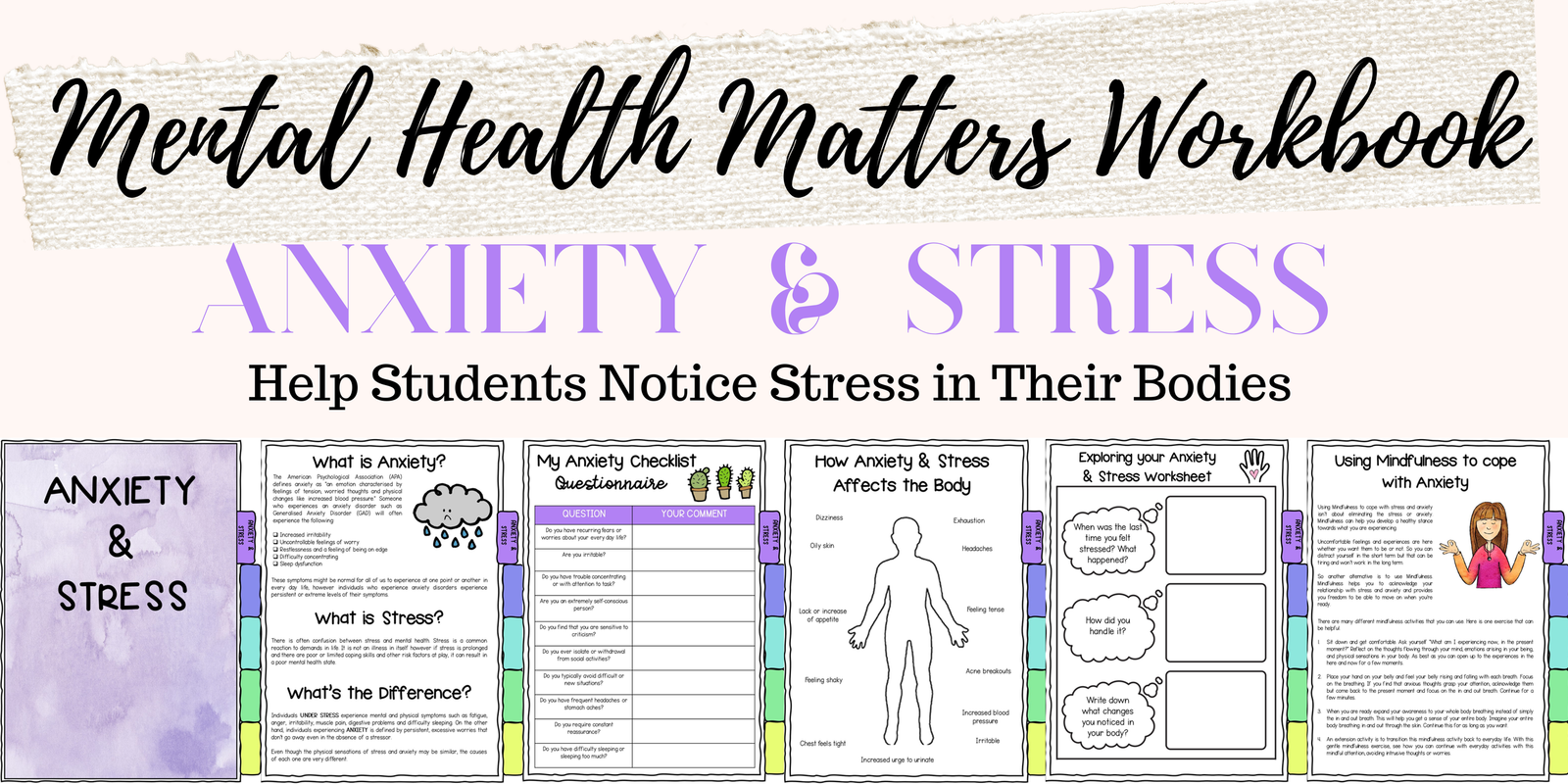
This is why body mapping can be such a useful mental health activity for teens. The Mental Health Matters Portfolio explores anxiety, stress and the physical effects these experiences can have on the body.
Ask students where they notice stress physically. Then become curious about the pattern. When does that usually happen? What seems to happen immediately beforehand? When does your body start feeling calmer again?
Why This Helps Therapeutically
We are helping students connect body sensations, situations and emotional experiences. Over time, a teenager may begin recognizing their own early warning signs rather than noticing stress only after they have become completely overwhelmed.
That awareness gives us somewhere practical to intervene.
If a student knows that their shoulders tense, thoughts race and stomach begins hurting when stress is increasing, those signals can eventually become prompts to slow down, use a coping strategy or seek support.
The aim is not to make teenagers hyper-focused on every physical sensation. It is to help them understand that their body can provide useful information about how they are doing.
Mental Health Activity: Track Automatic Thoughts
Teenagers can experience thoughts that feel incredibly convincing.
Everyone is judging me. I’m going to fail. Nobody actually likes me. Nothing is going to get better. My response is not to immediately tell a teenager, “That’s not true,” because arguing with the thought rarely helps them understand it.
Instead, we can explore it. The Mental Health Matters Portfolio includes Autopilot Thoughts, alternative-thought questions and thought-tracking activities. These provide a structured way to help students notice recurring thinking patterns.
We might ask what evidence makes the thought feel true, whether there is information they are overlooking, or whether they are predicting what somebody else is thinking.
Why This Helps Therapeutically
We are not teaching forced positivity. We are helping teenagers develop some distance from their thoughts. A thought can feel powerful without automatically being a fact. Learning to notice and examine thinking patterns can help students respond more flexibly rather than immediately accepting every negative thought as reality. So sometimes the most useful question is not, “How do I make this thought disappear?” It is, “Do I have to believe everything my brain tells me?”
Mental Health Activity: Build a Personal Coping Menu
Telling a teenager to “use a coping skill” assumes they know which skill to use and can remember it when they are already overwhelmed.
That is asking quite a lot. I prefer helping students build a coping menu while they are relatively calm. Ask them to identify things that calm my body, things that help me feel connected, things that give my brain a break, people who help me think clearly, and places where I feel safe or comfortable. Then develop several realistic possibilities.
One student might need movement. Another may need quiet. Someone might want connection, while another needs a short period alone before they are ready to talk.
Why This Helps Therapeutically
A coping menu creates choice and flexibility. We are helping teenagers understand that coping is not about finding one magical strategy that works every time. Different situations may require different responses. It can also reduce the cognitive load when students are distressed. Instead of inventing a solution while overwhelmed, they already have a collection of options they have considered beforehand.
Mental Health Activities for Teens Should Make Self-Care Practical
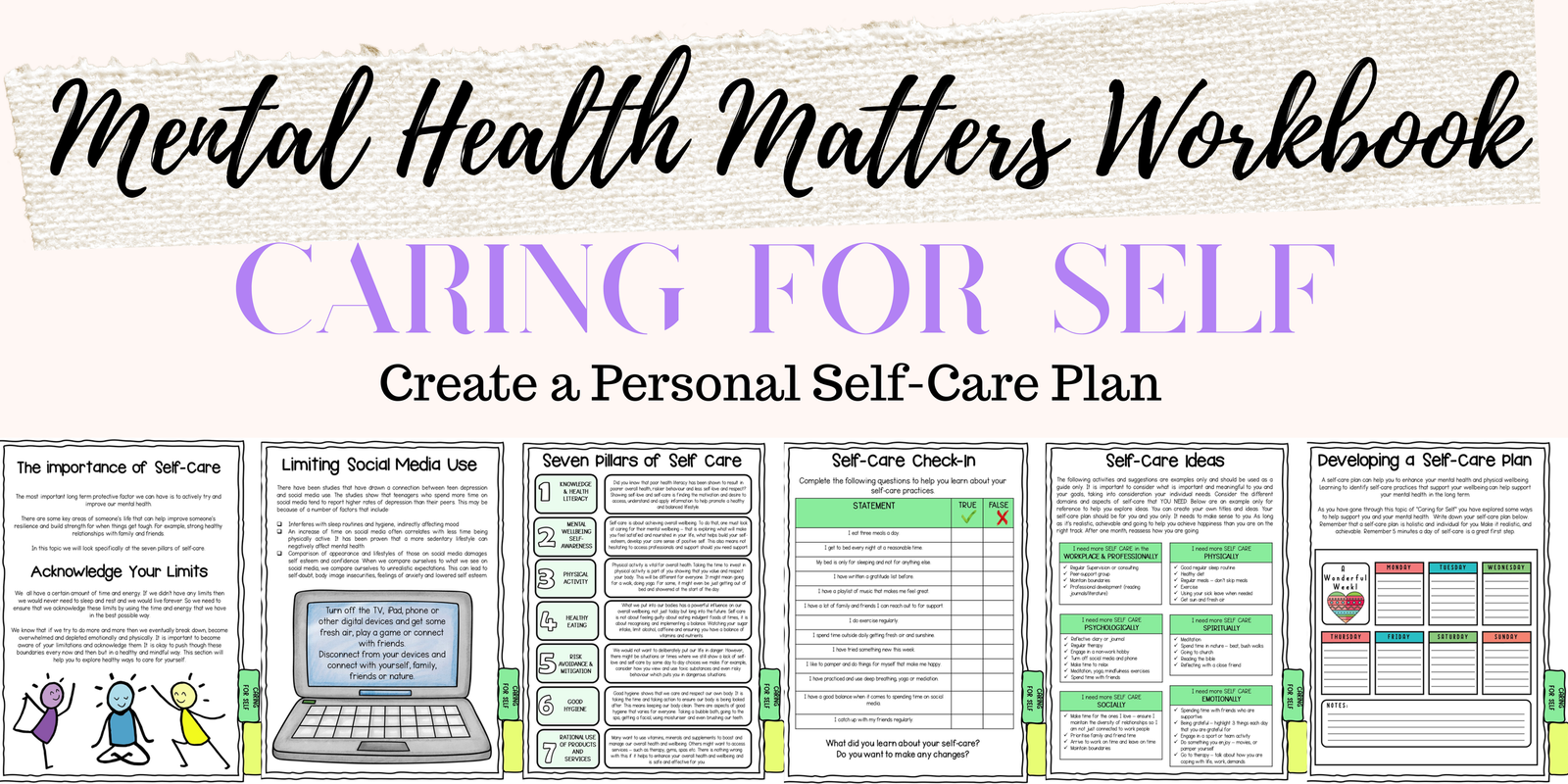
Self-care has become such a common phrase that teenagers can hear it without having any idea what it actually means for them. The Mental Health Matters Portfolio explores several areas of self-care, including physical wellbeing, social connection, mindfulness, social media, exercise and sleep. Students also complete self-care reflections, activities and an individualized plan.
Rather than asking, “What do you do for self-care?”, try making the questions more specific.
What helps your body feel better?
Who helps you feel most like yourself?
What has been draining you recently?
What gives your brain a genuine break?
What boundary might make this week easier?
These questions tend to produce far more useful answers.
Why This Helps Therapeutically
Self-care becomes individualized rather than performative. We are also helping students understand that caring for themselves does not always mean doing something pleasant. Sometimes it means setting a boundary, getting enough sleep, reducing an unhealthy habit or asking someone for support. It is equally important to be clear that self-care does not replace professional treatment when significant mental health concerns are present. Sometimes self-care is going for a walk. Sometimes self-care is saying, “I’m not coping and I need help.”
Mental Health Activity: Practice the Words for Reaching Out
We regularly tell teenagers to “reach out if you need help.” I think we need to teach the next part too.
A teenager first has to recognize that something is wrong, decide their struggle deserves attention, identify somebody they trust and somehow begin the conversation. For someone who is already overwhelmed, ashamed or frightened about what might happen if they tell somebody, those steps can feel enormous. The Mental Health Matters Portfolio includes activities around reaching out, asking someone to check in, identifying sources of support and creating an action plan.
I like practicing actual language with students.
“Things haven’t felt right lately and I think I need some help.”
“I don’t really know how to explain this, but can I talk to you?”
“I don’t need you to fix everything. I just need somebody to listen.”
“Could you check in with me tomorrow?”
Why This Helps Therapeutically
Knowing you should ask for help and being able to initiate that conversation are two completely different skills. Practicing the words reduces one barrier. A teenager does not need to construct the perfect explanation while they are already struggling. They have language available that can simply open the conversation. Sometimes the first sentence is the hardest part. We can help make that sentence easier.
Mental Health Activity: Create a Support Map
Another practical mental health activity for teens is identifying support before students urgently need it. Ask teenagers to think about the people available to them in different situations.
Who could they approach at school?
Who could they talk to at home?
Who is good at listening?
Who could they contact if they were genuinely worried about their own safety or somebody else’s?
Not every person has to meet every need. The friend who is wonderful at making you laugh may not be equipped to support you during a serious mental health crisis.
Why This Helps Therapeutically
A support map turns the vague instruction “talk to a trusted adult” into something concrete.
The teenager already has names.
They already know where those people are.
They may even have practiced what they could say.
It can also reveal something important to us as professionals. If a teenager genuinely cannot identify one safe adult they could approach, that is valuable information that deserves our attention.
Help Teens Support Friends Without Becoming Their Therapist
Teenagers can carry enormous emotional responsibility for their friends. A young person may be the first person someone tells about self-harm, depression or suicidal thoughts. They can then feel responsible for keeping that person safe while simultaneously being terrified of betraying their trust. We need to teach young people that supporting a friend does not mean managing serious mental health concerns alone.
They can listen. They can care. They can check in. They can help their friend approach an adult. However, they should not be expected to become somebody else’s counselor.
Why This Helps Therapeutically
We are creating healthier boundaries around responsibility. If safety is involved, keeping a secret is not always an act of friendship. Sometimes caring about someone means bringing in an adult who can provide appropriate support. Teenagers deserve to hear explicitly that another person’s safety is not theirs to carry alone.
Mental Health Activities Should Never Force Personal Disclosure
This is particularly important when using mental health activities for teens in groups or classrooms. Students may be sitting beside peers who know nothing about their personal experiences. A question about depression may be deeply personal for one teenager and entirely theoretical for another.
Give students options. They can discuss a scenario rather than themselves. They can write privately. They can pass.
They can listen. And avoid treating the student who shares the most personal information as though they have somehow participated “better.”
Trauma-informed practice recognizes that choice matters. A student can learn something meaningful without telling the room their story.
When the Mental Health Activity Stops Being the Activity
Sometimes you begin with a worksheet and something changes.
A student stops writing. They circle a statement and stare at it. They ask quietly, “Is it normal to feel like this?”
That is when the activity becomes secondary. I stop worrying about getting through the page because the resource has already done something much more important. It opened a door. Sometimes the worksheet isn’t the intervention. The conversation that happens because of the worksheet is. As counselors, we need to notice when those moments appear. One meaningful conversation may be far more valuable than ten perfectly completed pages.
Depression, Self-Harm and Suicide Require Additional Care
Some mental health activities for teens involve topics that require greater professional care.
The Mental Health Matters Portfolio includes education around depression, self-harm, suicide warning signs, myths, supporting someone who may be at risk and raising the alarm.
These topics should always be approached within your professional role and appropriate school safeguarding procedures.
Students need to know that concerns about serious self-harm or suicide are not secrets they should carry alone. They should understand who they can approach and what to do when they are worried about themselves or somebody else.
For counselors, the boundary is equally important. If a student indicates that they may be at risk of harming themselves, the educational activity is no longer the priority.
Safety is. Appropriate safeguarding, assessment and professional support take over.
Drugs, Alcohol and Mental Health
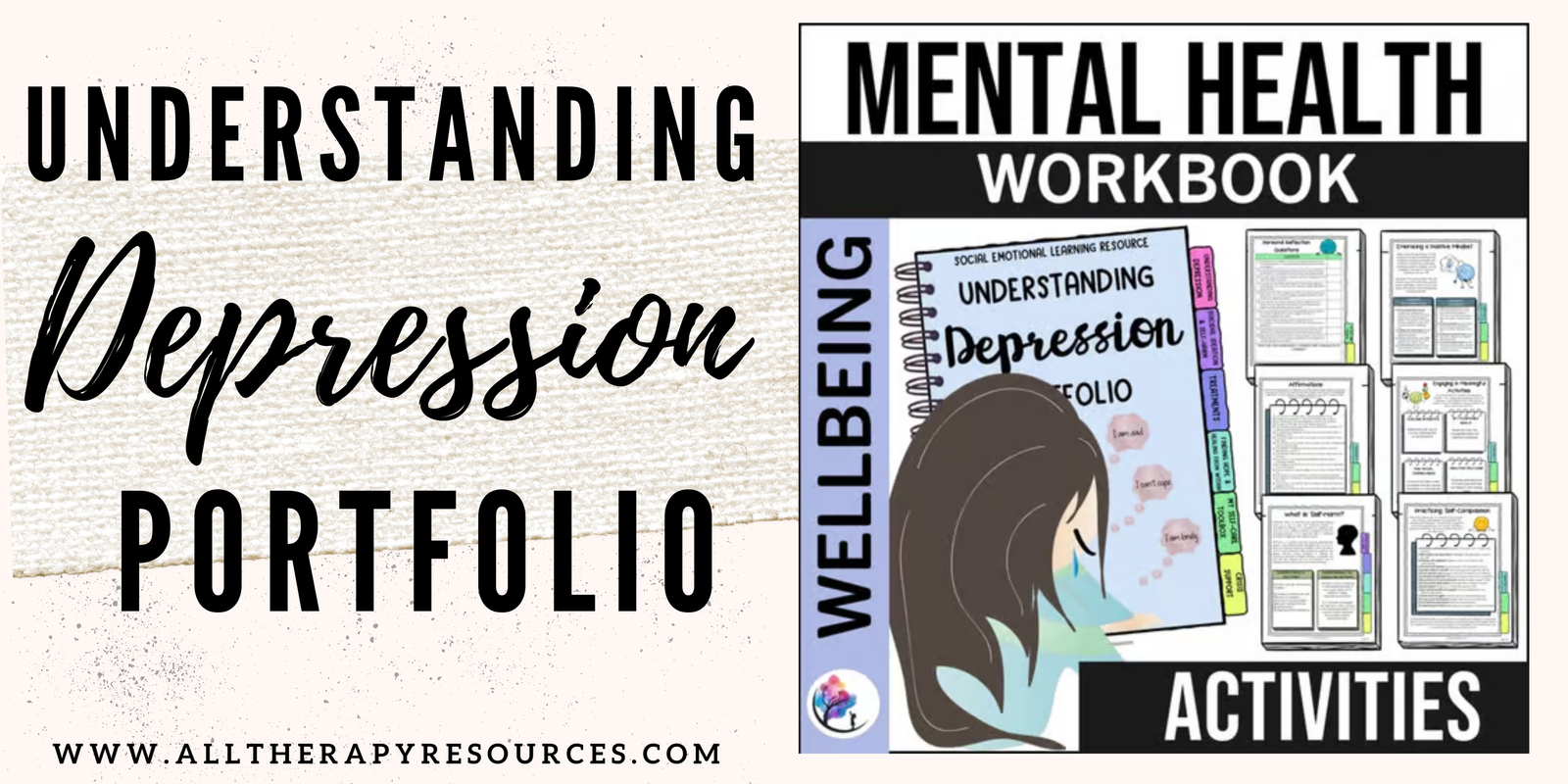
The Mental Health Matters Portfolio also explores Drugs, Alcohol & Mental Health, including the effects of substances on mental health, alcohol and the brain, and reflection on habits.
I think these conversations are most useful when they are approached with curiosity rather than shame.
A teenager may encounter messages suggesting that alcohol or drugs can help someone relax, fit in, forget a problem or switch off difficult feelings.
Instead of simply saying, “Don’t do that,” we can explore the need underneath the behavior.
What is the person trying not to feel?
What are they trying to gain?
What other ways might exist to meet that need?
Understanding the function of a behavior does not mean approving of it.
It gives us somewhere more useful to begin.
Our Mental Health Matters Portfolio
These ideas are at the heart of our Mental Health Matters Portfolio, which provides a structured way to explore mental health and wellbeing with older students.
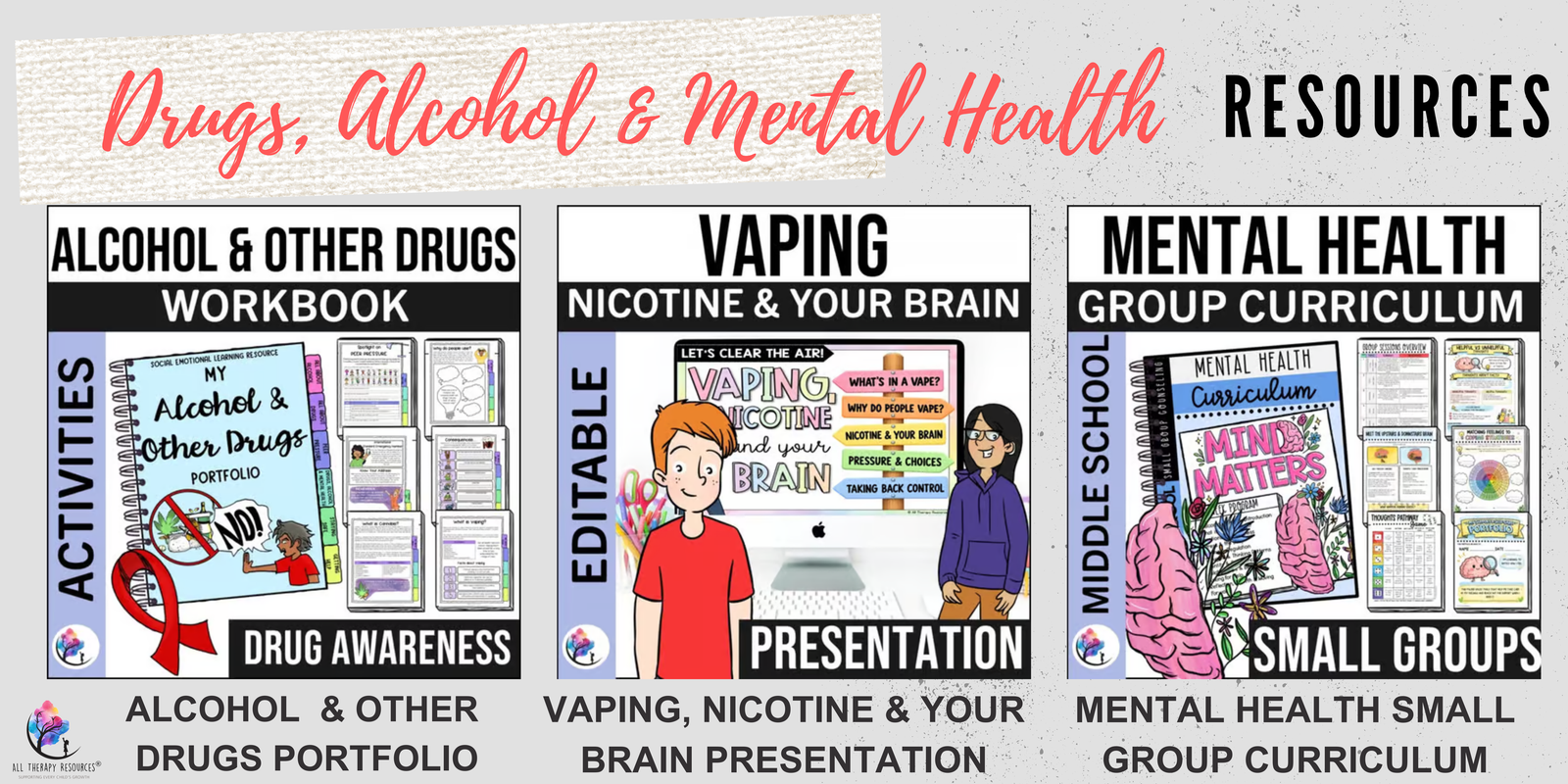
The portfolio is organized into six sections: What Is Mental Health?, Anxiety & Stress, Depression & Suicide, Drugs, Alcohol & Mental Health, Caring for Self, and Reaching Out.
Students begin by exploring mental health, different states of wellbeing and risk factors. They then move into anxiety, stress and how these experiences can affect the body.
The portfolio also explores depression and suicide awareness, thought patterns and thought tracking, along with the relationship between substances and mental health. The later sections become particularly practical. Students explore different areas of self-care, social media, exercise and sleep before developing their own self-care ideas and individualized plan.
Finally, students explore reaching out. They consider relationships, asking for support, requesting a check-in, identifying where they can find help and developing an action plan. For me, that progression matters.
Mental health education should not leave a teenager simply knowing everything that can go wrong. It should also help them understand what they can notice, what they can practice and what they can do next.
Using Mental Health Activities for Teens in High School Counseling
You do not need to work through every activity with every student. Choose what fits the purpose of the session and the young person sitting in front of you. The mental health continuum can become a general wellbeing check-in.
Body-based stress activities can support conversations about anxiety. Thought tracking can help students notice recurring patterns. Self-care activities can become individual, small-group or classroom lessons. Reaching-out activities can support help-seeking and safety conversations.
Follow the student rather than the worksheet. If a conversation becomes meaningful, stay there. If something raises a concern, respond to it. And if a student needs more support than the activity can provide, that is when professional judgment matters most.
Mental Health Activities for Teens Should Create a Next Step
For me, successful mental health activities for teens are not measured by beautifully completed worksheets.
I want students to leave knowing themselves a little better.
I want them to recognize some of their early signs of stress.
I want them to have more than one coping strategy and understand that not every strategy works every time.
I want them to know who their people are.
Most importantly, if the day comes when something feels too heavy to manage alone, I want them to know what their next step could be. That is where mental health education becomes practical. We are not only teaching teenagers about mental health. We are helping them develop skills they can actually use.
Looking for More Mental Health Activities for Teens?
Looking for More Mental Health Activities for Teens?
If you regularly search for mental health activities for teens, high school counseling activities, teen wellbeing activities, anxiety and stress resources, coping skills activities, self-care activities, or therapeutic resources for teenagers, you don’t have to keep searching for resources one at a time.
The All Therapy Resources® Membership gives you access to our growing library of therapeutic, behavioral, counseling, social-emotional, and mental health resources — all in one place.
As an ATR Member, you can access resources for:
- Anxiety, stress & emotional regulation
- Coping skills & mental health
- Self-esteem, identity & confidence
- Anger management & impulse control
- Friendship, social skills & conflict
- Bullying & peer pressure
- Grief, loss & difficult life experiences
- Executive functioning & behavior
- School counseling & SEL
- Individual and group interventions
- Plus new resources added regularly
Instead of purchasing resources individually, join the All Therapy Resources® Membership and have an entire therapeutic resource library ready when you need it.