This post contains affiliate links. As an Amazon Associate, ATR earns from qualifying purchases, at no extra cost to you.
Worry is a normal part of childhood. Children worry about tests, friendships, separating from caregivers, and things they hear about in the news. When worries start to grow, a good story can help a child feel less alone and give them practical ideas for what to do next.
This list of children’s books about worry and anxiety is designed for school counselors, therapists and teachers. Each book includes who it suits and a quick, ready-to-use idea for your next session or lesson.
Why Books Help Children Talk About Worry
Many children find it easier to talk about a character’s worries than their own. Stories create a little distance, which can make a hard topic feel safer. They also give children shared language, such as “my worry is getting big like Ruby’s”, that you can come back to in later sessions.
Books work best as part of a wider plan. If a child’s anxiety is frequent, intense or getting in the way of school, friendships or sleep, work with the family and your team to consider further assessment and support.
Try this in your classroom: Keep a small basket of worry books in your calm corner. Children who are not ready to talk can still look at a familiar story while they settle.
Children’s Books About Worry and Anxiety
Wemberly Worried by Kevin Henkes (2000)
Wemberly the mouse worries about big things and small things, especially starting school. Many young children see themselves in her right away.
Try it: Read it before a transition such as the first day of school. Ask, “What did Wemberly do that helped?” and list the ideas together.
What to Do When You Worry Too Much by Dawn Huebner (2006)
A workbook-style guide for children that explains worry and teaches practical strategies drawn from cognitive behavioral approaches. An updated edition is available.
Try it: Work through one chapter at a time over several sessions, and send home a short note so caregivers can practice the same strategy.
Ruby Finds a Worry by Tom Percival (2018)
Ruby’s small worry grows bigger the more she ignores it, until she talks about it. It is a clear, gentle message about the value of sharing worries.
Try it: Have children draw their own worry at its “small” size and then at its “big” size. Talk about what helped Ruby’s worry shrink.
The Huge Bag of Worries by Virginia Ironside (1996)
Jenny carries her worries everywhere in a big bag until a kind neighbor helps her sort through them. It shows that some worries can be solved and some are not ours to carry.
Try it: Use a real bag and paper slips. Students write worries and sort them into “I can do something about this” and “This is not mine to fix”.
Silly Billy by Anthony Browne (2006)
Billy worries about everything until his grandmother introduces him to worry dolls. It opens a conversation about tools that help us feel calmer.
Try it: Invite children to make a simple worry helper from a clothespin or pipe cleaner as a reminder to share their worries with a trusted adult.
The Kissing Hand by Audrey Penn (1993)
Chester Raccoon is nervous about starting school, and his mother shares a reassuring ritual. It remains a favorite for separation worries.
Try it: Read it with families at the start of the year or with a child who struggles with drop-off, and help them create their own goodbye routine.
Wilma Jean the Worry Machine by Julia Cook (2012)
Wilma Jean worries all the time, and her teacher helps her sort worries into those she can control and those she can’t. It is practical and humorous.
Try it: Pair it with a “worry hat” activity: students pick a strategy for a worry they can control and a calming tool for one they can’t.
Hey Warrior by Karen Young (2017)
A child-friendly explanation of what happens in the brain and body during anxiety, with practical ways to feel calmer. It suits children who like to understand why.
Try it: Use it to introduce body clues of worry. Children can mark where they feel worry on a simple body outline.
After the Fall (How Humpty Dumpty Got Back Up Again) by Dan Santat (2017)
After his famous fall, Humpty is afraid of heights and misses the things he loved. With small brave steps, he finds his way back. It speaks to older elementary students too.
Try it: Talk about Humpty’s “small brave steps” and help students make a brave ladder for something they would like to try.
The Whatifs by Emily Kilgore (2019)
Cora is followed by worrying “what ifs” until a friend helps her think of hopeful “what ifs” too. It’s a gentle way to practice flexible thinking.
Try it: Have students write a worried “what if” and then a hopeful “what if” on the same card.
Jabari Jumps by Gaia Cornwall (2017)
Jabari is ready to jump off the diving board, or is he? His dad supports him with patience and a breathing strategy. It shows that it’s okay to take your time.
Try it: Pause when Jabari takes a deep breath and practice it together. Ask, “What helped Jabari feel ready?”
Ideas for Using Worry Books With Students
- Connect the story to a skill. After reading, name one strategy the character used, such as talking to someone, breathing slowly or taking a small brave step, and practice it together.
- Use the characters as shared language. “Is this a Wemberly worry or a Whatif?” can help a child notice and name what is happening.
- Pair reading with a calming activity. Finish with a breathing exercise or quiet coloring so the session ends calmly.
- Share with families. Suggest that caregivers read the same book at home and use the same words for worry.
- Keep it strengths-based. Highlight how brave it is to talk about worries and celebrate small steps.
Picture a first grader who cries at drop-off each morning. Reading The Kissing Hand with the child and caregiver, then creating a short goodbye ritual, can turn a stressful moment into a predictable routine.
ATR Resources for Worry and Anxiety
From our counseling room to yours, these resources build on the conversations that worry books start.
Worry Monster Game turns talking about worries into a game, with question cards and a reflection sheet that help children practice coping strategies in small groups or individual sessions. One reviewer called it “a fantastic resource for helping kids open up about their worries in a fun, safe way.”
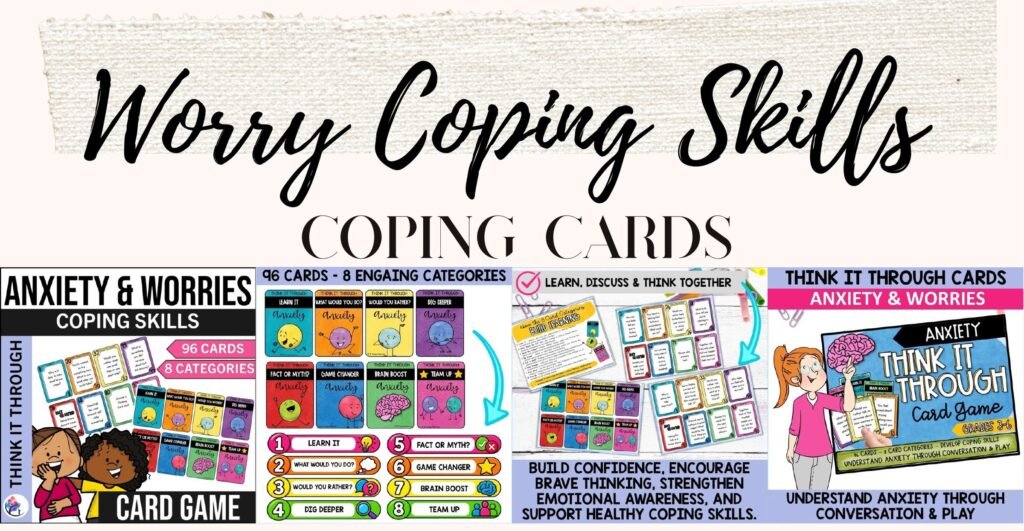
Anxiety and Worry Coping Skills Cards give you ready-made discussion prompts and strategies to explore after a story. A counselor shared that the questions “make it so much easier to start meaningful conversations about anxiety and coping skills.”
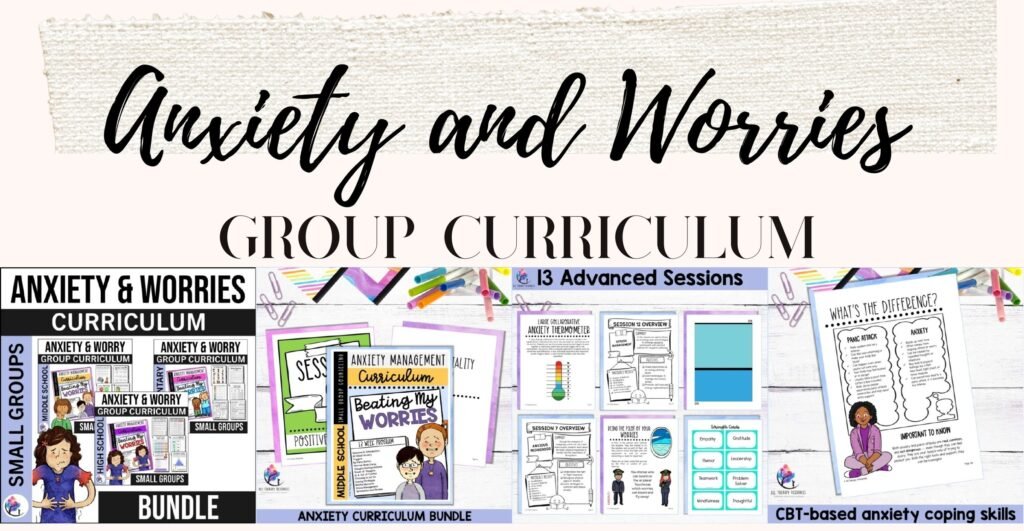
Anxiety Counseling Activities Curriculum Bundle is a structured option for a worry small group, so you can open each week with a picture book and move into planned activities.
Frequently Asked Questions
What is the best book for a child who worries a lot?
It depends on the child. What to Do When You Worry Too Much offers step-by-step strategies for school-age children, while picture books like Ruby Finds a Worry or Wemberly Worried are a gentle starting point for younger children.
Can books replace counseling for anxiety?
No. Books are a helpful tool for building understanding and language, but children with significant or persistent anxiety may need further assessment and support from a qualified mental health professional.
How do I use a worry book with a whole class?
Read the story, name one strategy the character used, and practice it together. Keep the focus on everyone’s worries in general so no child feels singled out.
Are there books about worry for older students?
After the Fall and Hey Warrior work well with upper elementary students. For middle and high school, pair discussion with age-appropriate activities rather than picture books.
Looking for practical, ready-to-use resources to support your work with anxious and worried students? The All Therapy Resources Membership provides access to a growing collection of thoughtfully developed counseling activities, interactive games, and therapeutic tools designed to save preparation time while supporting meaningful, skill-focused learning.