This post contains affiliate links. As an Amazon Associate, ATR earns from qualifying purchases, at no extra cost to you.
School counselors wear many hats in a single day: individual counseling, small groups, classroom lessons, crisis response, consultation and program planning. The right professional books can sharpen your skills, give you fresh ideas and help you explain your approach to teachers and families.
This list brings together some of the best books for school counselors across behavior, trauma-informed practice, counseling approaches, play therapy and program development. For each one you’ll find a quick idea for putting it into practice.
How to Choose Professional Books That Make a Difference
- Start with your current challenge. If behavior referrals are taking over your week, start with a behavior book. If you’re planning groups, choose a counseling approach.
- Look for practical tools. The most useful books include scripts, examples or strategies you can try straight away.
- Read with colleagues. A book study with teachers or other counselors builds shared language across your school.
- Check fit with your role and ethics. Use what fits your training, scope of practice and district policies.
Try this in your next session: Pick one strategy from your current book and try it with three students this week. Jot down what worked. Small, focused practice turns reading into real skill.
Best Books for School Counselors
Lost at School by Ross W. Greene (2008)
Introduces the Collaborative and Proactive Solutions approach for students with challenging behavior, built on the idea that kids do well if they can. A revised edition is available.
Try it: Use it to guide problem-solving meetings with teachers, focusing on lagging skills and unsolved problems rather than consequences.
The Whole-Brain Child by Daniel J. Siegel and Tina Payne Bryson (2011)
Twelve strategies for helping children integrate thinking and feeling, explained in accessible language with simple illustrations.
Try it: Borrow its kid-friendly explanations of the “upstairs and downstairs brain” for classroom lessons and parent workshops.
Fostering Resilient Learners: Strategies for Creating a Trauma-Sensitive Classroom by Kristin Souers with Pete Hall (2016)
A practical guide for educators on understanding trauma and building relationships and classroom practices that help students feel safe.
Try it: Use a chapter as the basis for a staff book study or professional development session on trauma-informed practice.
Help for Billy by Heather T. Forbes (2012)
Written for teachers and school staff, it explains how trauma can affect behavior and learning and offers relationship-based strategies for the classroom.
Try it: Share relevant sections with a teacher who is supporting a student with a trauma history.
Motivational Interviewing in Schools: Conversations to Improve Behavior and Learning by Stephen Rollnick, Sebastian G. Kaplan and Richard Rutschman (2016)
Shows how motivational interviewing can be used in brief, everyday school conversations with students, parents and colleagues.
Try it: Practice one skill, such as reflective listening, in your next few student check-ins.
Solution-Focused Counseling in Schools by John J. Murphy (3rd edition, 2015)
A practical guide to solution-focused brief counseling in school settings, published by the American Counseling Association.
Try it: Try scaling questions and exception-finding questions in short individual sessions.
Play Therapy: The Art of the Relationship by Garry L. Landreth (4th edition, 2023)
A foundational text on child-centered play therapy, covering the therapeutic relationship, the playroom and the skills involved.
Try it: Use it to reflect on your own responses during play-based sessions, such as tracking and reflecting feelings.
How to Talk So Kids Will Listen & Listen So Kids Will Talk by Adele Faber and Elaine Mazlish (1980)
A classic, practical guide to communication with children, full of examples and cartoons. Updated editions are available.
Try it: Recommend it to parents, or use its examples as role-play scenarios in a parent workshop.
The ASCA National Model: A Framework for School Counseling Programs by American School Counselor Association (4th edition, 2019)
ASCA’s framework for designing, delivering and evaluating a comprehensive school counseling program.
Try it: Use it alongside your annual planning and use-of-time data when you review your program goals.
Self-Reg: How to Help Your Child (and You) Break the Stress Cycle and Successfully Engage with Life by Stuart Shanker (2016)
Explores self-regulation through the lens of stress and offers ways adults can help children recognize and reduce stressors.
Try it: Use its ideas to help teachers reframe challenging behavior as a possible sign of stress.
Ways to Put These Books Into Practice
- Run a staff book study. Fostering Resilient Learners and Lost at School both work well for teacher teams.
- Build a parent lending library. Books like How to Talk So Kids Will Listen and The Whole-Brain Child are accessible for families.
- Practice one skill at a time. Choose a single technique, such as a scaling question or a reflective statement, and use it all week.
- Link learning to your program goals. Note how a new approach connects to your annual plan and data.
Picture a counselor who wants to reduce repeat office referrals in fourth grade. After reading Lost at School, she meets with one teacher to list a student’s lagging skills and unsolved problems, then plans one collaborative conversation with the student. It’s a small first step that shifts the focus from consequences to skills.
ATR Resources for School Counselors
From our counseling room to yours, these resources help with the practical side of running a counseling program.
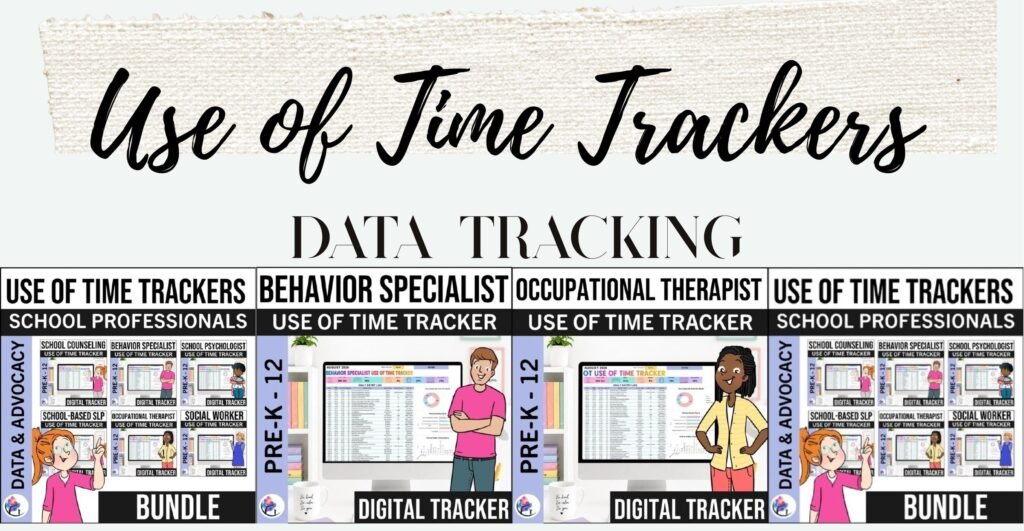
Use of Time Trackers make it easier to record how your time is spent across direct and indirect services, which is helpful when reviewing your program alongside the ASCA National Model.
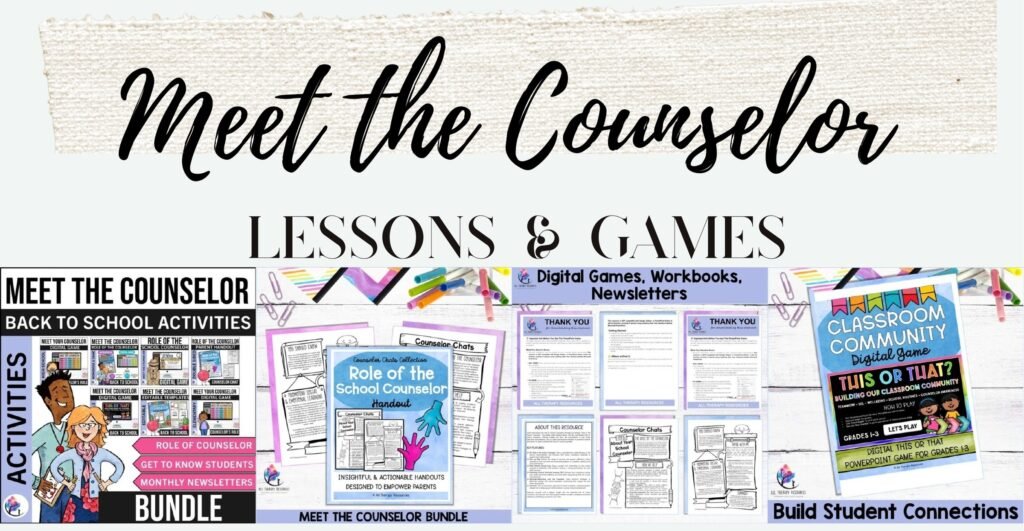
Meet the Counselor Lessons help students understand your role and how to ask for help, a strong start for any counseling program.
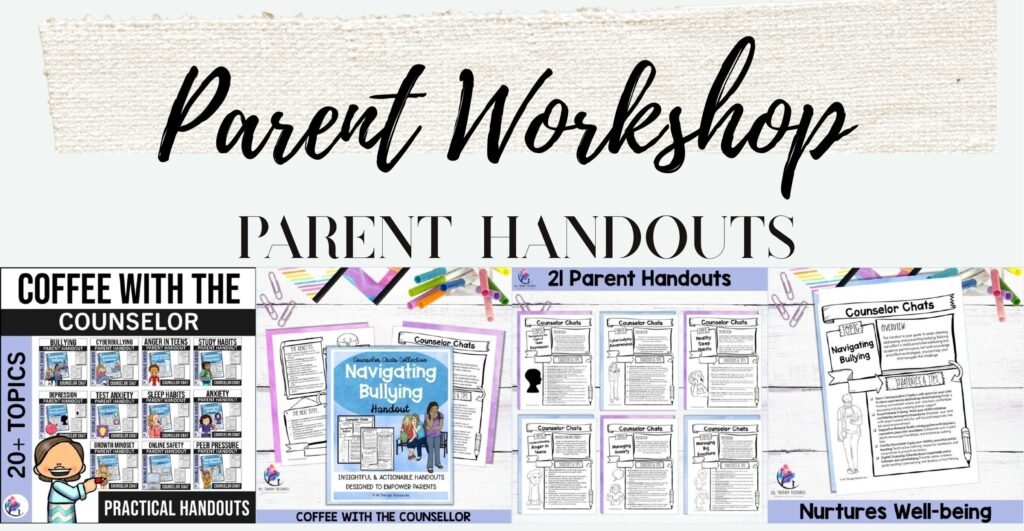
Coffee With the Counselor Parent Handouts give you ready-to-use materials for parent workshops, a natural place to share ideas from books like How to Talk So Kids Will Listen.
Frequently Asked Questions
What books should every school counselor read?
There’s no single list, but books on behavior (Lost at School), trauma-informed practice (Fostering Resilient Learners), counseling approaches (Solution-Focused Counseling in Schools, Motivational Interviewing in Schools) and program development (The ASCA National Model) cover the core areas of the role.
Are these books suitable for new school counselors?
Yes. Many are written in an accessible style with practical examples. New counselors often find Solution-Focused Counseling in Schools and The ASCA National Model especially helpful when getting started.
Can I use these books for staff professional development?
Absolutely. A short book study, one chapter per meeting, is a simple way to build shared understanding with teachers.
Do I need play therapy training to read Landreth’s book?
No, but reading about play therapy is not the same as being trained in it. Use the book to deepen your understanding, and seek supervised training if you plan to offer play therapy.
Looking for practical, ready-to-use resources to support your school counseling program? The All Therapy Resources Membership provides access to a growing collection of thoughtfully developed counseling activities, interactive games, and therapeutic tools designed to save preparation time while supporting meaningful, skill-focused learning.