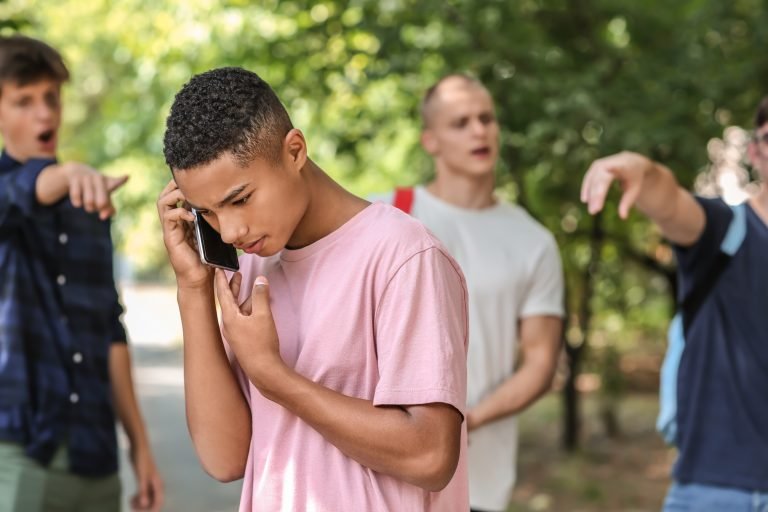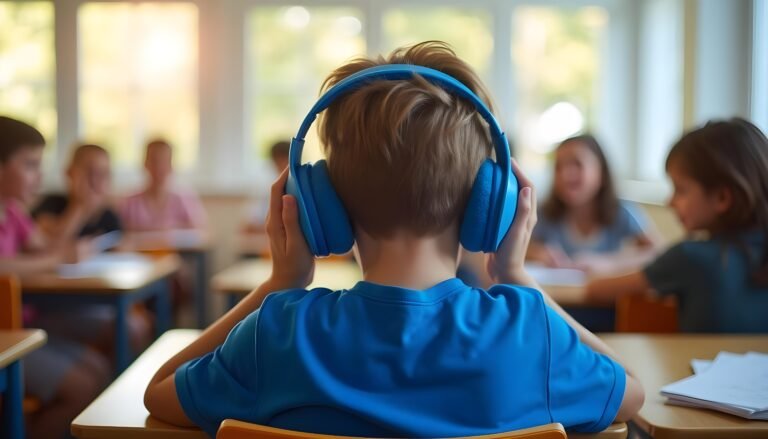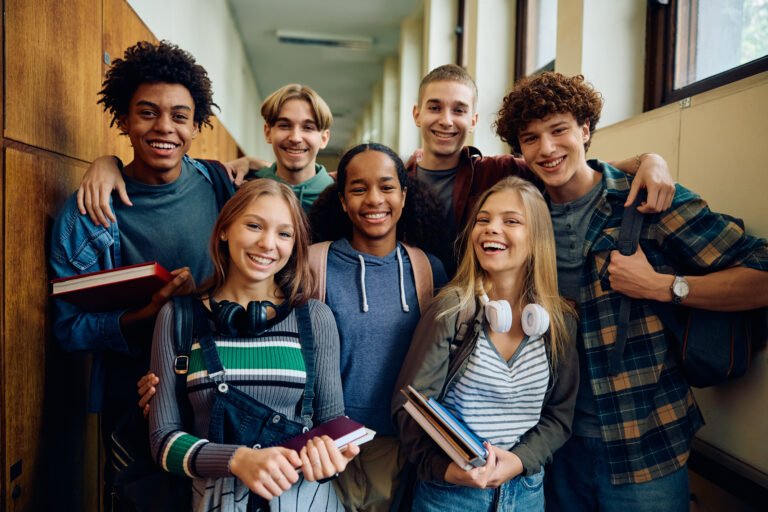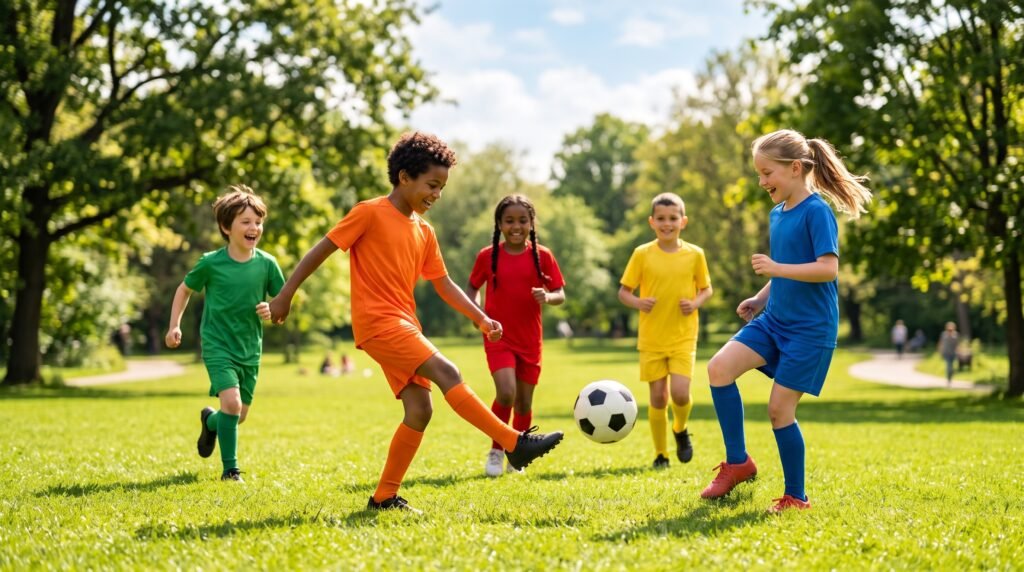
A student may know the classroom rule, “Be a good friend,” and still freeze when a peer says no, changes the game, or walks away upset. Friendship is not one skill. It is a set of social, emotional, language, and regulation skills that children need opportunities to practice in low-stakes ways. The best friendship skills activities make those often-invisible steps concrete, repeatable, and safe to try.
For busy school counselors, therapists, educators, and caregivers, the most useful activities do more than prompt a conversation about kindness. They help children notice social cues, choose words, manage disappointment, listen with care, and repair a relationship after a mistake. The activities below can be adapted for individual sessions, small groups, classrooms, and home-based support.
What makes friendship practice meaningful?
Research on social-emotional learning programs suggests that structured, explicit, well-implemented instruction helps children build social skills. Rather than asking a child to “make better choices with friends,” name the behavior: joining a game, taking turns, asking a follow-up question, accepting a different idea, or apologizing without shifting blame. Modeling and rehearsal matter because many children can identify a social skill on a worksheet but struggle to access it in a fast-moving peer interaction. A meta-analysis of group social skills programs found the same pattern: gains in knowing about a skill did not always carry over into everyday settings.
It also helps to keep the goal realistic. Children do not need to be friends with everyone, and they should not be taught to ignore discomfort or tolerate unkind treatment to preserve a relationship. Healthy friendship skills include boundaries, consent, self-advocacy, and knowing when to seek adult support. Trauma-informed practice includes offering choices, avoiding forced personal disclosure, and allowing students to observe before participating.
12 best friendship skills activities to use in practice
Quick reference: use this table to match an activity to the skill your students need most right now, with a ready-made ATR resource for each if you would rather not prepare it from scratch.
| # | Activity | Core skill | Works well for | Suggested ATR resource |
|---|---|---|---|---|
| 1 | Friendship Scenario Sort | Social judgment and boundaries | Grades 2–12 | Social Skills Scenario Cards |
| 2 | Join the Group Role-Play | Entering play or conversation | Grades K–8 | Playing Nice & Making Friends Social Narrative |
| 3 | Conversation Detective | Back-and-forth conversation | Grades 2–12 | Conversation Starters Card Game |
| 4 | Common Ground Map | Finding shared interests | Grades K–8 | Getting to Know You Activities |
| 5 | Feelings Under the Surface | Empathy and perspective-taking | Grades 3–12 | Feelings & Behavior SEL Workbook |
| 6 | Listening With Your Whole Attention | Showing you are listening | Grades K–12 | Active Body Listening Lesson |
| 7 | The Flexible Plan Challenge | Flexibility and compromise | Grades K–8 | Problem Solving & Size of the Problem |
| 8 | Repair Script Practice | Apologizing and repairing | Grades 2–12 | Repairing Friendships Kit |
| 9 | Friendship Problem-Solving Steps | Solving peer conflicts | Grades K–8 | Friendship & Conflict Resolution Activities |
| 10 | Compliment With Specificity | Giving genuine compliments | Grades K–8 | Random Acts of Kindness Activities |
| 11 | Boundary Signal Rehearsal | Asking for and giving space | Grades K–12 | Personal Space, Relationships & Boundaries |
| 12 | Team Mission Reflection | Cooperation and reflection | Grades 2–12 | Teamwork & Collaboration Lesson |
1. Friendship Scenario Sort
Create brief, age-appropriate scenario cards such as, “You want to join a game,” “Your friend wants to play something different,” or “Someone shares a secret you were asked to keep private.” Ask children to sort each card into helpful, unhelpful, or “it depends.” The third category is especially valuable because it opens nuanced discussion about context, safety, and personal boundaries.
Invite students to explain their reasoning and generate a more helpful response. Be clear that secrets involving harm, danger or an unsafe adult always need to be shared with a trusted adult; our guide to safe and unsafe secrets can help with that conversation. For younger children, use pictures and act out one card at a time. Older students can identify possible outcomes and consider how text messages or group chats may change the situation.
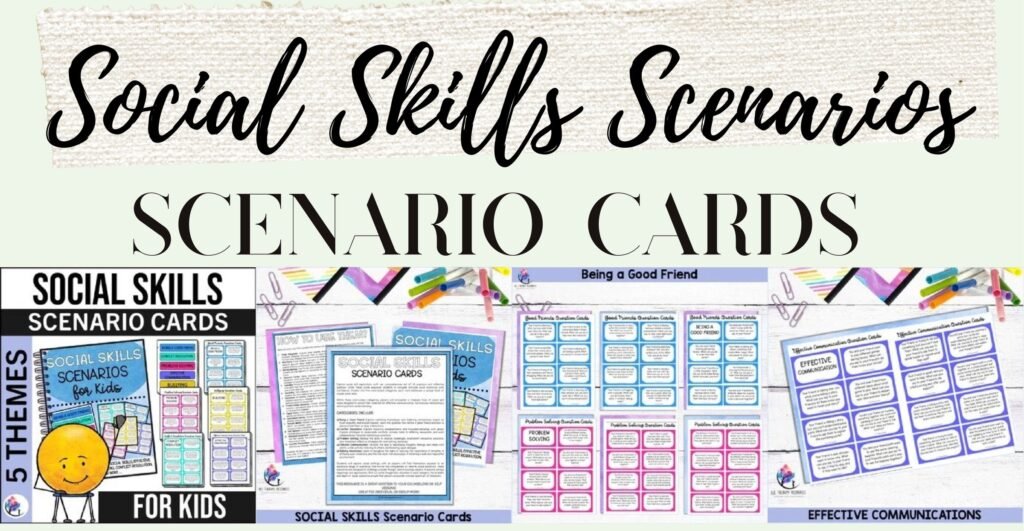
Try this in your next group: if you would rather not write scenarios yourself, our Social Skills Scenario Cards cover friendship, conflict and bullying situations with reflective questions to guide discussion. One teacher shared that they were “Great for role playing during my 3rd grade friendships lessons. Kids enjoyed them and it kept them engaged.” Another reviewer described putting one card on the document camera each day so students could think it through and share with a partner.
2. Join the Group Role-Play
Joining peers can feel like the hardest part of friendship, particularly for children who have experienced rejection. Set up a simple game or collaborative task with two or three participants. One student practices approaching, watching briefly, and using an entry phrase such as, “Can I play?” “What role do you still need?” or “Could I join the next round?”
Practice the receiving side, too. Peers can learn responses that are welcoming without requiring them to give up all control of the activity. If the group is full, a respectful response might be, “We can add you after this round,” paired with actually following through. This activity works best when adults coach specific language rather than evaluating a child’s personality.
3. Conversation Detective
Use a short, fictional dialogue and ask students to become detectives. What did each person say? What clues showed interest, confusion, excitement, or discomfort? Did anyone ask a question, make space for an answer, or change the subject too quickly?
Then give pairs a topic card and a visual reminder of the conversation cycle: notice, ask, listen, respond, and share. The goal is not to demand constant eye contact or one particular communication style. Instead, students learn that conversations work better when both people have room to participate.
4. Common Ground Map
Pairs or small groups create a simple map of shared interests, favorite activities, strengths, and things they would like to learn. Children often assume friendship requires having everything in common. This activity shows that connection can begin with one small overlap, while differences can still be interesting and respectful.
For students who are hesitant to share personal information, offer neutral prompts such as preferred recess activities, favorite animals, or ways to spend free time. Avoid using this as a popularity exercise. The focus is curiosity, not comparing who has the most common interests.
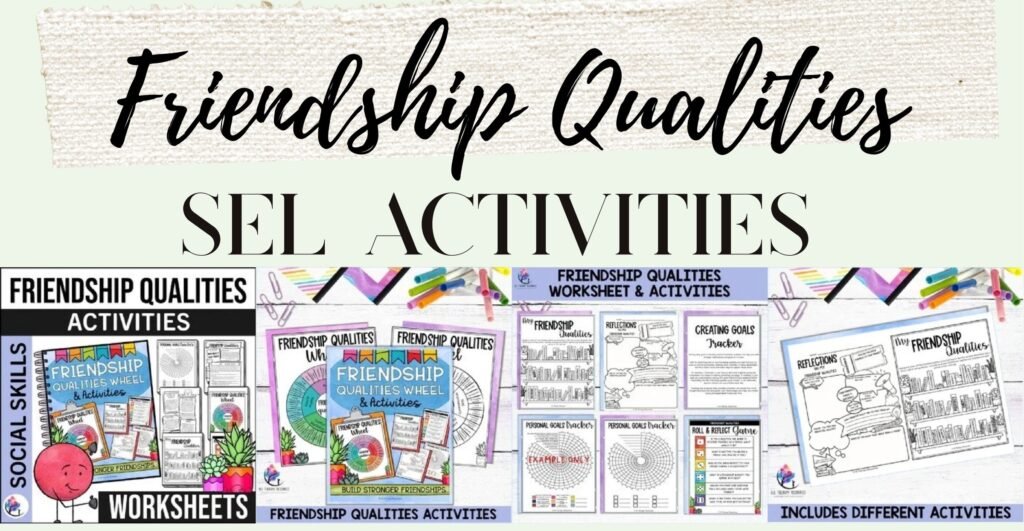
From our counseling room to yours: once students have found some common ground, our Friendship Qualities Activities & Wheel help them put words to what makes someone a good friend. One reviewer used it with students working on social skills and noted that “my students found the wheel helpful for understanding what makes a good friend.”
5. Feelings Under the Surface
Present a conflict that appears simple: one child is left out of a game, a friend cancels plans, or someone laughs after another child makes a mistake. Ask students to identify the feeling that may show on the surface and the feelings that may be underneath. Anger, for example, can coexist with embarrassment, worry, sadness, or disappointment.
This activity strengthens empathy without asking children to excuse hurtful behavior. A helpful prompt is, “What might they be feeling, and what response would still protect your feelings and boundaries?” That distinction is essential for ethical, supportive friendship instruction.
6. Listening With Your Whole Attention
In pairs, one student talks for one minute about a neutral topic while the listener practices attending in a way that feels comfortable: facing the speaker, putting away materials, using a brief acknowledgment, or reflecting back one detail. Switch roles and discuss what helped each person feel heard.
Some students may find direct gaze uncomfortable, and that is okay. Teach listening as observable engagement rather than a rigid body-language rule. The listener might look at a shared visual, take notes, or use a fidget while still accurately responding to what was said.
7. The Flexible Plan Challenge
Give a group a cooperative task with an intentional change halfway through. For example, after students begin building with blocks or planning a pretend event, announce that one material is unavailable or that the time has been shortened. Pause to identify body clues that show frustration and practice flexible self-talk: “This is not what I expected, but I can try another idea.”
Friends often need flexibility when plans change, yet flexibility should not mean surrendering every preference. Ask students to generate both compromise statements and respectful ways to say, “I would rather not do that.”
8. Repair Script Practice
Many children have heard “say sorry” without learning how to repair a relationship. Offer a simple structure: name what happened, acknowledge the impact, take responsibility, and ask what could help next. For example: “I interrupted you during the game. That may have made you feel ignored. I am sorry. Next time I will wait, and I can ask if you want another turn now.”
Use fictional situations before inviting students to apply the skill to real life. Clarify that an apology does not guarantee forgiveness, and no child should be pressured to accept an apology before they are ready.
9. Friendship Problem-Solving Steps
Post a brief visual sequence: pause, name the problem, consider choices, choose a respectful next step, and check what happened. Present everyday conflicts involving turns, rules, teasing, or misunderstood messages. Students can work through the steps using thought bubbles, drawing, or role-play.
This framework also gives students practice with skills linked to executive functioning, such as pausing, planning and checking results. It is particularly useful for students who move quickly from frustration to action and benefit from a predictable pause point.
10. Compliment With Specificity
Have students practice giving compliments about effort, character, helpful actions, or skills rather than appearance or popularity. “You explained the directions clearly” and “I noticed you saved me a spot” are more meaningful than a vague “You are nice.”
Discuss consent and authenticity. Compliments should not be used to gain something from someone, and children do not have to give or receive personal comments that make them uncomfortable. A written compliment card or anonymous class appreciation board can lower the pressure for some groups; if you use one, screen the notes first and make sure every child receives one.
11. Boundary Signal Rehearsal
Friendship includes recognizing when someone needs space. Teach brief phrases such as, “I need a break right now,” “Please stop,” “I do not want to talk about that,” and “I can talk later.” Pair these with choices for what to do next, including moving to a calmer space or asking an adult for support.
Role-play both sides of the exchange. The responding peer can practice, “Okay, I will give you space,” rather than arguing or demanding an explanation. This is one of the best friendship skills activities for reinforcing that respectful friendships include limits.
12. Team Mission Reflection
Use a short cooperative challenge, such as completing a puzzle, transporting objects, or creating a group design. The task itself is less important than the reflection afterward. Ask: Who helped the group get started? What happened when people had different ideas? When did someone adapt, encourage, or ask for help?
Keep feedback behavior-based and balanced. Rather than labeling one child a “great friend,” identify the action: “You noticed Jordan had not spoken yet and asked for their idea.” Specific feedback gives students a skill they can repeat.
Adapting friendship activities across ages and settings
For early elementary students, use visual supports, puppets, movement, and one skill per activity. Practice may need to be brief and repeated often. Upper elementary students can manage more complex scenarios involving group dynamics, fairness, and changing friendships. Adolescents usually respond better to realistic situations involving group projects, lunchroom dynamics, gaming, texting, rumors, and personal boundaries than to activities that feel overly scripted.
In speech-language or neurodiversity-affirming practice, adapt the communication demands rather than assuming a single “correct” social style. Offer visual language choices, allow processing time, and distinguish between a skill a student wants to build and a behavior adults merely find familiar. In counseling, consider whether a recent peer conflict makes role-play feel too close to home. A fictional example may be safer before moving toward personal reflection.
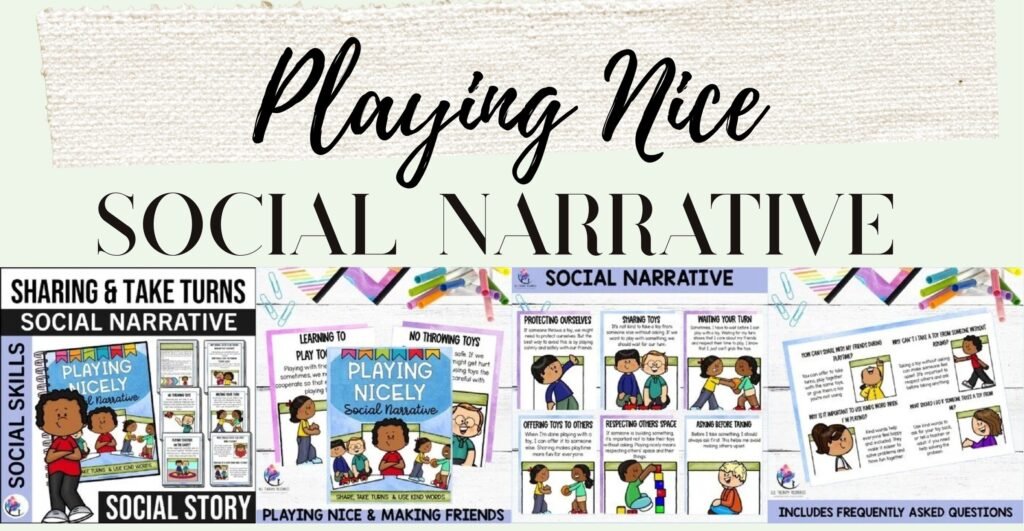
For younger students: a short story can make friendship expectations concrete before any role-play. Our Playing Nice & Making Friends Social Narrative uses clear visuals to show cooperating, sharing and kind words. One reviewer wrote, “We loved this for our younger emotional behavior play group! They really thrived with the visuals!”
Help skills travel beyond the activity
A strong activity can still stay contained in the counseling room unless children are helped to generalize it. End each session with one small, observable practice goal: ask one follow-up question, use a pause before responding to frustration, or try a respectful entry phrase at recess. Adults can reinforce the attempt without requiring a perfect social outcome.
Brief check-ins are often more useful than lengthy processing. Ask what the student tried, what felt easier or harder than expected, and what they want to adjust next time. With consistent language across counseling, classrooms, therapy, and home, friendship skills become less like a lesson and more like a set of choices children can use when relationships become complicated. If you are building these activities into a series of sessions, our guide to planning a small group counseling curriculum walks through the structure.
Frequently Asked Questions
What are friendship skills for kids?
Friendship skills include joining in, taking turns, listening, sharing ideas, handling disagreements, apologizing, giving compliments and setting boundaries. CASEL groups many of these under relationship skills.
How do you teach friendship skills to children?
Name the specific skill, model it, let children practice it in a low-stakes role-play, and then help them try it in a real setting such as recess or a group task. Short, repeated practice usually works better than a one-off lesson.
What age should children start learning friendship skills?
Children are learning friendship skills from the preschool years onward. Younger children benefit from visuals, puppets and one skill at a time, while older students can work with more complex group and online situations.
Are friendship skills activities suitable for neurodivergent students?
Yes, when they are adapted. Focus on skills the student wants to build, allow processing time and different communication styles, and avoid teaching one “correct” way to make eye contact or socialize.
References
- CASEL: The benefits of school-based social and emotional learning programs
- Wolstencroft et al. (2018): A systematic review of group social skills interventions
- SAMHSA (2014): Concept of trauma and guidance for a trauma-informed approach
Looking for practical, ready-to-use resources to support your friendship and social skills groups? The All Therapy Resources Membership provides access to a growing collection of thoughtfully developed counseling activities, interactive games, and therapeutic tools designed to save preparation time while supporting meaningful, skill-focused learning.