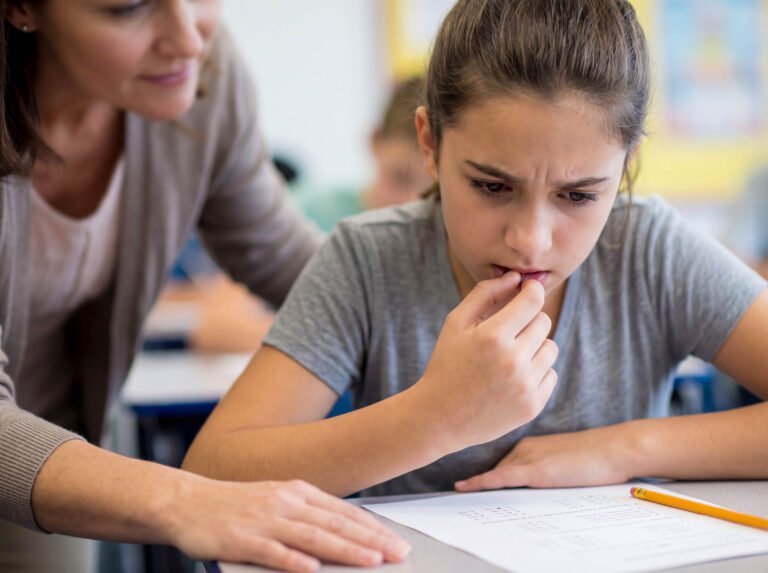

Are you supporting a child who pulls out their hair or eyelashes and feeling unsure how to respond in a calm, supportive, and effective way? Trichotillomania — often referred to as hair-pulling disorder — can be confusing and distressing for both children and the adults supporting them. Many educators, school counselors, therapists, and parents find themselves wondering how to talk about the behavior without causing shame, increasing anxiety, or making the child feel “in trouble.”
Children experiencing trichotillomania are not being defiant or attention-seeking. In many cases, hair pulling is a body-based coping response connected to stress, sensory regulation, or emotional overwhelm. When adults respond with compassion, understanding, and gentle guidance, children can begin to feel safe, supported, and more in control of their coping strategies. That is exactly why we created our trichotillomania support resources — to provide trauma-informed, child-friendly tools that help children understand their behavior and develop healthier coping strategies without shame or pressure.
What Is Trichotillomania?
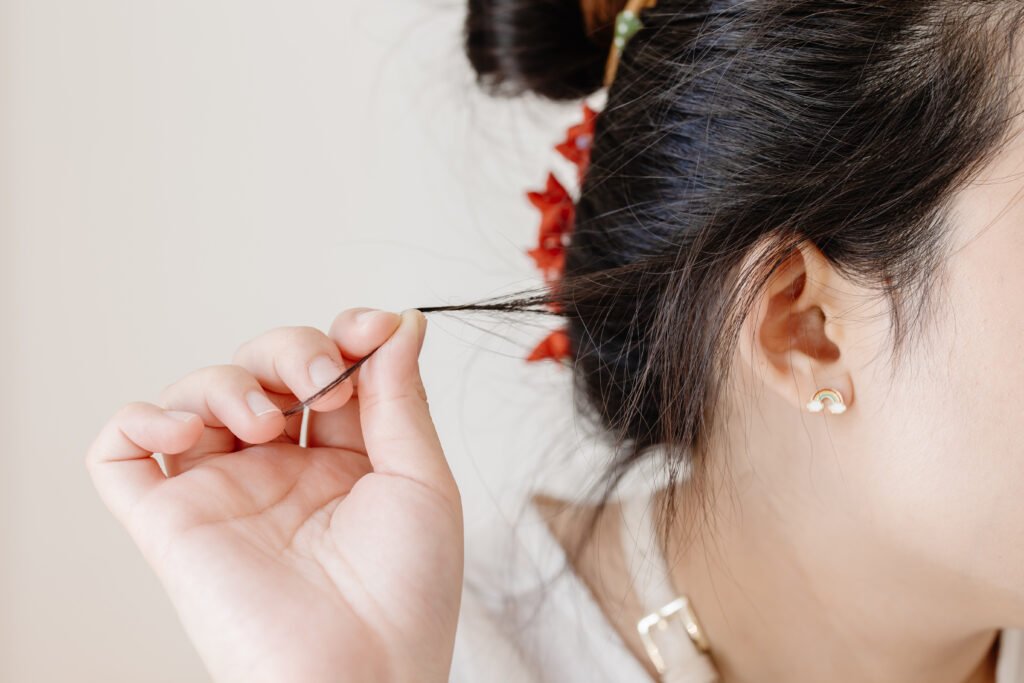
Trichotillomania is a body-focused repetitive behavior (BFRB) that involves an urge to pull out hair from the scalp, eyebrows, eyelashes, or other areas of the body. It can affect children and adults and often begins during childhood or adolescence.
For many children, hair pulling:
- Occurs during moments of stress, boredom, or overwhelm
- Provides temporary relief or comfort
- Happens automatically or without full awareness
- Can increase when anxiety or emotional pressure rises
- Is often followed by feelings of shame or confusion
It is important to understand that trichotillomania is not simply a “bad habit.” It is a complex coping response linked to emotional regulation, sensory needs, and nervous system responses. When adults approach the behavior with empathy and curiosity rather than correction, children feel safer and more open to support.
Why a Trauma-Informed Approach Matters
Children experiencing hair pulling are often already feeling vulnerable. They may notice physical changes, receive comments from peers, or feel embarrassed about their behavior. Traditional responses such as “just stop,” “don’t do that,” or punishment can unintentionally increase anxiety and make the behavior more frequent.
A trauma-informed approach focuses on:
- Safety and emotional understanding
- Reducing shame and blame
- Building awareness gently
- Teaching alternative coping strategies
- Strengthening self-compassion
- Supporting regulation and emotional expression
When children feel understood rather than judged, they are more likely to engage in supportive strategies and develop healthier coping patterns over time.
Signs a Child May Need Gentle Support
Educators, therapists, and parents may notice:
- Missing eyelashes, eyebrows, or patches of hair
- Repetitive touching or pulling of hair
- Pulling during times of stress or concentration
- Increased pulling during transitions or academic pressure
- Avoidance of eye contact or discussions about appearance
- Feelings of embarrassment or frustration
These signs are not a call for correction — they are an invitation for understanding and support.
How Social Narratives Help Children Understand Hair Pulling
One of the most effective ways to support children with trichotillomania is through gentle, developmentally appropriate psychoeducation. Many children do not fully understand why they pull their hair or how their body responds to stress. Social narratives can help children build awareness in a safe, non-threatening way.
Our trichotillomania social narratives were designed to help children:
- Understand that hair pulling is a coping response, not a bad behavior
- Learn that they are not alone
- Recognize body signals and emotional triggers
- Explore gentle alternative coping strategies
- Feel supported and understood by adults
- Build self-awareness and self-compassion
When we introduce these conversations through storytelling and supportive language, children often feel relief. Many begin to say things like:
- “My hands do this when I feel worried.”
- “I can try something else when my fingers want to pull.”
- “I’m not bad — my body is trying to cope.”
This shift in understanding can be incredibly powerful.
What We Often See When Support Is Introduced
With consistent, compassionate support, many children begin to show noticeable changes. Educators and therapists frequently report:
- Increased awareness of when pulling occurs
- Greater willingness to talk about feelings
- Reduced shame around the behavior
- Improved use of alternative coping strategies
- Increased emotional regulation
- More openness to adult support
- Growing confidence and self-understanding
While progress is often gradual, even small steps can lead to meaningful emotional growth.
Supporting Children Without Increasing Shame
When supporting a child with trichotillomania, the language we use matters deeply. Consider:
Instead of:
“Stop pulling your hair.”
Try:
“I notice your hands are busy. Let’s find something that helps your body feel calm.”
Instead of:
“Why are you doing that?”
Try:
“I wonder if your body is feeling worried or busy right now.”
This gentle shift helps children feel supported rather than corrected.
How Our Trichotillomania Resources Support Children and Professionals
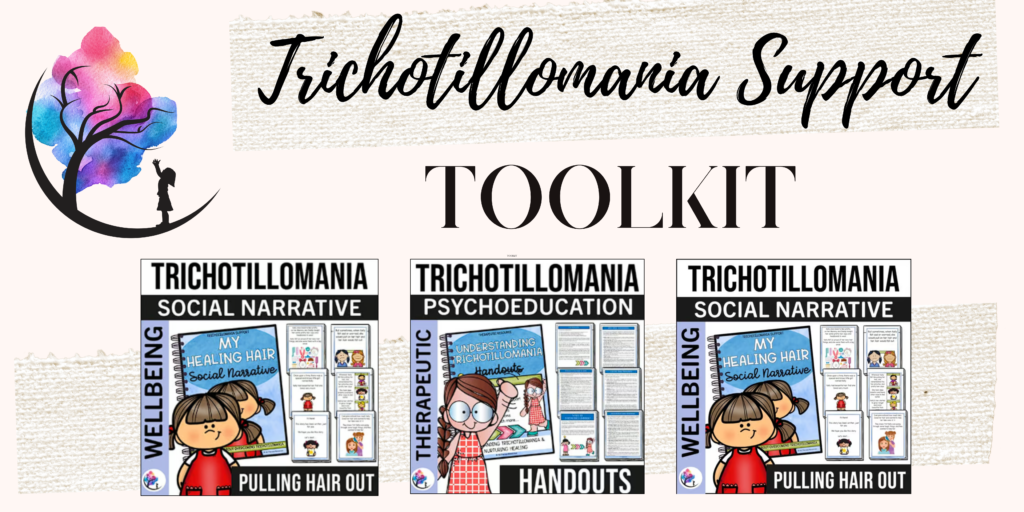
Our trichotillomania support resources were created to provide compassionate, practical tools for supporting children experiencing hair pulling behaviors. These resources include:
- Trauma-informed social narratives explaining hair pulling in a safe, relatable way
- Child-friendly language that reduces shame and builds understanding
- Coping strategy ideas for busy hands and big feelings
- Reflection prompts to build insight and emotional awareness
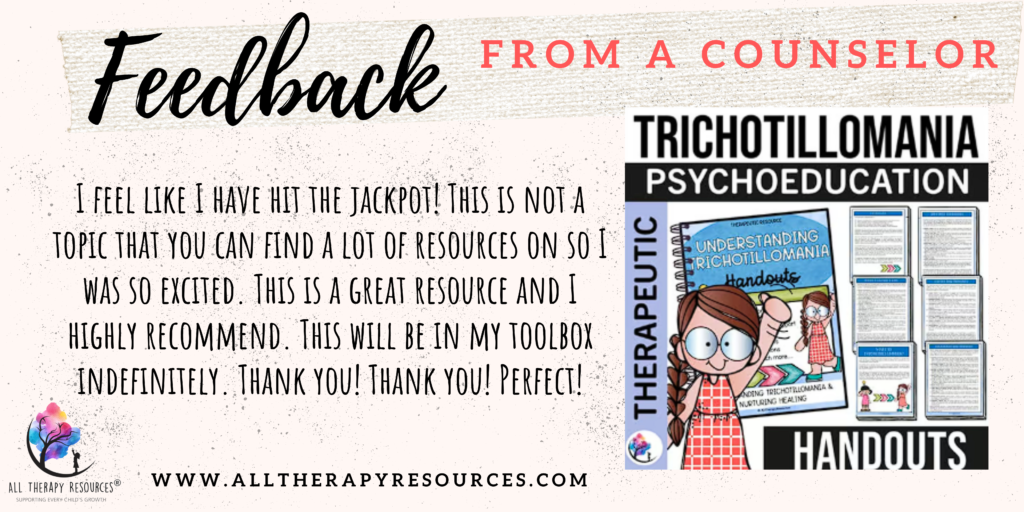
- Psychoeducation handouts for educators and parents
- Supportive guidance for consistent responses across settings
These tools can be used by school counselors, psychologists, therapists, teachers, and parents to create a consistent and supportive environment for the child.
We often hear from professionals who notice that once a child feels understood, the urgency of the behavior begins to soften. Conversations become easier, trust deepens, and the child feels less alone.
Building a Supportive Environment Around the Child
Children benefit most when the adults around them respond consistently and compassionately. A supportive environment includes:
- Calm, non-judgmental responses
- Predictable routines and transitions
- Access to sensory and coping tools
- Safe spaces for emotional expression
- Collaborative communication between home and school
- Gentle check-ins rather than constant monitoring
Over time, this consistent support helps children build awareness, regulation skills, and confidence.
Supporting Children With Compassion and Understanding
Trichotillomania can feel overwhelming for both children and the adults supporting them, but with the right approach, meaningful support is possible. When children feel safe, understood, and gently guided, they begin to develop healthier coping strategies and a stronger sense of self.
Our trichotillomania social narratives and support resources were created to help professionals and parents navigate these sensitive conversations with confidence, compassion, and clarity. By providing children with understanding rather than correction, we can help them move toward healing, self-awareness, and emotional safety.
If you are supporting a child experiencing hair pulling behaviors, know that gentle, trauma-informed tools can make a powerful difference. Explore our trichotillomania support resources to help create safe, supportive pathways for understanding and growth.
Frequently Asked Questions
What causes trichotillomania in children?
Trichotillomania is often linked to stress, anxiety, sensory needs, or emotional regulation challenges. It is not a behavioral choice but a coping response.
Should children be told to stop pulling their hair?
Directly telling a child to stop can increase anxiety and shame. Gentle awareness, coping strategies, and supportive conversations are more effective.
Can schools support children with trichotillomania?
Yes. School counselors, teachers, and support staff can provide safe spaces, compassionate responses, and tools that help children regulate and feel understood.
How do social stories help with trichotillomania?
Social narratives help children understand their behavior in a safe, non-shaming way. They build insight, emotional awareness, and confidence in using alternative strategies.
Is trichotillomania a mental health condition?
Yes. It is considered a body-focused repetitive behavior and may be linked to anxiety or emotional regulation challenges. Compassionate, informed support is important.
Can children learn alternative coping strategies?
With gentle guidance and consistent support, many children learn safer ways to regulate their emotions and reduce hair pulling behaviors over time.