
Are you looking for meaningful, age-appropriate ways to support middle school students during Mental Health Awareness Week — while also building skills that last all year?
Middle school is a critical time for emotional development, identity formation, and help-seeking skills. Students are navigating friendships, academic pressure, social media, and growing independence, often without the language or tools to manage big emotions. Mental Health Awareness Week provides the perfect opportunity to open supportive conversations — but many educators and counselors are left wondering where to start.
The good news is that effective mental health support doesn’t need to be complicated. With structured, trauma-informed small group counseling and practical social-emotional learning (SEL) tools, schools can create safe spaces where students build resilience, self-awareness, and emotional wellbeing.
This is where intentional, research-aligned mental health programming becomes essential.
Why Mental Health Awareness Matters in Middle School
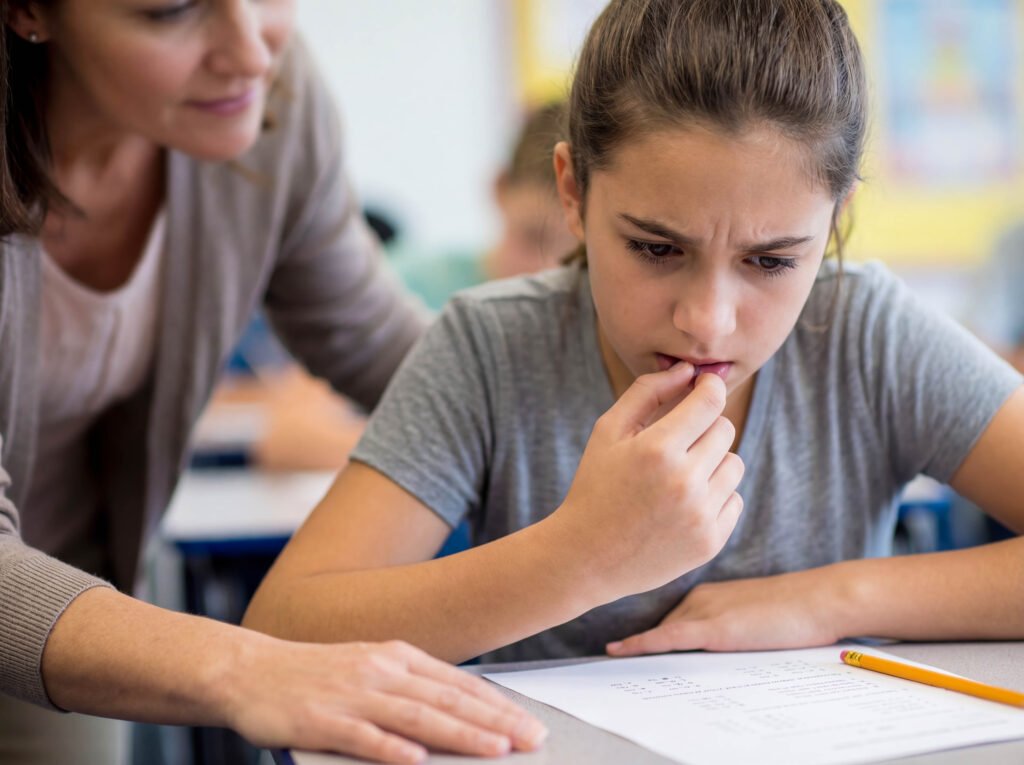
Mental health awareness for middle school students is not just a one-week focus — it’s a foundation for lifelong wellbeing. During the middle school years, students begin to experience increased emotional intensity, social comparison, and academic expectations. Without support, many students struggle silently with anxiety, stress, and low self-confidence.
Mental Health Awareness Week offers a powerful opportunity to:
• Normalize conversations about emotions and mental wellbeing
• Reduce stigma around help-seeking
• Teach coping strategies and emotional regulation skills
• Build resilience and self-understanding
• Strengthen peer connection and support systems
However, awareness alone is not enough. Students need structured opportunities to explore feelings, develop coping tools, and practice help-seeking behaviors in safe and supportive environments.
Small group counseling is one of the most effective ways to do this.
The Power of Small Group Counseling for Mental Health Support
Small group counseling provides a consistent, relationship-based setting where students can explore emotions, build insight, and develop practical skills. In middle school settings, group work allows students to recognize that they are not alone in their experiences — a powerful protective factor for mental health.
From my experience as a school counselor, some of the most meaningful breakthroughs happen in small groups. Students who may never speak in class often share openly when they feel safe, heard, and understood. When students realize that others have similar worries, fears, and challenges, shame decreases and confidence grows.
Effective mental health small groups focus on:
• Emotional awareness and identification
• Coping and regulation strategies
• Understanding thoughts, feelings, and behaviors
• Stress management and resilience
• Identity and self-understanding
• Help-seeking and support networks
When these skills are taught explicitly and practiced consistently, students begin to internalize healthy ways of managing their mental health.
Supporting Mental Health Awareness Week with Structured Activities
Many schools want to recognize Mental Health Awareness Week but struggle to move beyond posters or one-off lessons. While awareness activities are valuable, students benefit most from structured, skills-based learning that continues beyond a single week.
During Mental Health Awareness Week, consider implementing:
• Small group counseling sessions focused on emotional wellbeing
• Classroom SEL lessons on stress and coping
• Reflection and journaling activities
• Help-seeking and support mapping
• Mindfulness and regulation strategies
• Peer connection and empathy activities
These approaches allow students to actively engage with mental health concepts rather than simply hearing about them.
One approach I often recommend is using a structured small group counseling curriculum that can begin during Mental Health Awareness Week and continue throughout the term.
A Ready-to-Use Mental Health Small Group for Middle School
If you’re looking for a comprehensive and supportive way to run mental health small groups, our Mental Health Awareness Small Group Counseling Curriculum: Mind Matters (Middle School) was created specifically for this purpose.
Designed for students in grades 6–8, this trauma-informed program helps students build emotional awareness, coping skills, resilience, and help-seeking confidence through structured, engaging sessions.
The curriculum includes 10 structured sessions, each building on the last to create meaningful growth over time:
• Welcome and building safety within the group
• Understanding mental health and emotions
• Stress and how it affects the body
• Coping and calming strategies
• Thoughts, feelings, and behaviors
• Challenging unhelpful thinking
• Identity and self-understanding
• Connection and help-seeking
• Reflection and moving forward
Each session is designed to support both Mental Health Awareness Week implementation and ongoing Tier 2 support throughout the school year.
As a counselor, I’ve found that structured programs like this remove the overwhelm of planning while ensuring sessions remain intentional, supportive, and effective.
Why Structured Mental Health Programs Work
When mental health lessons are consistent and scaffolded, students develop deeper insight and lasting skills. Rather than one-off conversations, they begin to understand:
• How emotions influence behavior
• How to regulate stress and anxiety
• How to challenge unhelpful thoughts
• How to seek help safely
• How to build supportive connections
These skills are essential not only for school success but for lifelong wellbeing.
Trauma-informed, structured small group programs also support educators by providing:
• Clear session plans and objectives
• Evidence-aligned SEL strategies
• Built-in reflection and discussion prompts
• Pre- and post-group data tools
• Consistency across sessions
This allows counselors and educators to focus on connection and support rather than constant planning.
Creating a Safe Space for Middle School Students
At the heart of any effective mental health program is safety. Students need to feel emotionally safe before they can reflect, share, and grow. This means creating environments where students feel:
• Heard without judgment
• Supported rather than corrected
• Encouraged rather than pressured
• Empowered to share at their own pace
When students feel safe, they begin to open up. When they open up, meaningful learning and healing can occur.
Mental Health Awareness Week is the perfect time to begin creating these spaces — but the real impact comes when support continues long after the week ends.
Bringing Mental Health Awareness into Everyday School Life
Mental health awareness should never be limited to a single week on the calendar. By embedding SEL, coping strategies, and emotional literacy into everyday school life, we help students build resilience that lasts far beyond the classroom.
Whether you’re running small groups, classroom lessons, or whole-school wellbeing initiatives, intentional mental health support helps students:
• Feel seen and understood
• Develop emotional confidence
• Build healthy coping strategies
• Strengthen peer relationships
• Seek help when needed
These are life-changing skills.
Final Thoughts: Supporting Students Where They Are
Every middle school student deserves to feel supported, understood, and equipped with tools to manage their mental health. Mental Health Awareness Week is a powerful starting point — but ongoing support is what truly creates change.
If you’re planning Mental Health Awareness Week activities or looking to strengthen your school’s mental health support, structured small group counseling can make a meaningful difference.
Our Mind Matters Mental Health Awareness Small Group Counseling Curriculum for Middle School was created to help you provide that support with confidence — offering ready-to-use sessions, trauma-informed strategies, and practical tools that help students build emotional wellbeing step by step.
You don’t have to plan it all alone. With the right tools and a supportive framework, you can create safe spaces where students grow in confidence, resilience, and self-understanding.
Explore the resource and support your students in building strong, healthy minds — not just during Mental Health Awareness Week, but all year long.
Frequently Asked Questions
Who is this mental health small group curriculum designed for?
This curriculum is designed for middle school students in grades 6–8 and is ideal for school counselors, psychologists, social workers, and SEL educators.
Can this be used during Mental Health Awareness Week?
Yes. It is perfect for launching during Mental Health Awareness Week and continuing as an ongoing small group program.
How many sessions are included?
The program includes 10 structured sessions that build emotional awareness, coping skills, resilience, and help-seeking confidence over time.
Is this resource trauma-informed?
Yes. The curriculum uses supportive, non-judgmental language and focuses on building safety, connection, and emotional understanding.
Can this be used for Tier 2 intervention groups?
Absolutely. It is ideal for Tier 2 mental health support, small group counseling, and SEL intervention programs in middle school settings.