


A student who has been wiggling through morning meeting, bumping into peers during a transition, or struggling to settle after recess may not need a reminder to “calm down.” They may need a brief, purposeful way to use their body. Heavy work activities for classroom routines can offer that opportunity while keeping the day moving and protecting a student’s dignity.
In occupational therapy-informed practice, “heavy work” generally refers to activities that involve pushing, pulling, carrying, lifting, climbing, or sustained resistance through the muscles and joints. These activities can provide proprioceptive input, which some students experience as organizing or grounding. In a classroom, the goal is not to make children tired, earn compliance, or apply a one-size-fits-all sensory strategy. The goal is to build practical options that may help students arrive at learning more regulated, ready, and connected.
Why Heavy Work Can Help During the School Day
Classroom demands ask students to manage a great deal at once: noise, social expectations, posture, transitions, academic tasks, and emotional responses. For some children, especially those who seek movement or have difficulty noticing their level of activation, resistance-based movement may support body awareness and regulation. A short task can also create a predictable bridge between high-energy and seated parts of the day.
The response varies by student. One child may appear more focused after carrying a stack of books; another may find the same task overstimulating, physically uncomfortable, or simply uninteresting. Sensory needs also shift based on sleep, hunger, stress, illness, classroom demands, and the time of day. That is why observation matters more than a preset schedule alone.
Heavy work is most useful when it is offered as a supportive routine or a choice within a broader regulation plan. It does not replace individualized occupational therapy assessment, behavior support planning, counseling, or accommodations when those are needed. Collaboration with the student, family, occupational therapist, special educator, and other support team members helps ensure activities are appropriate and meaningful.
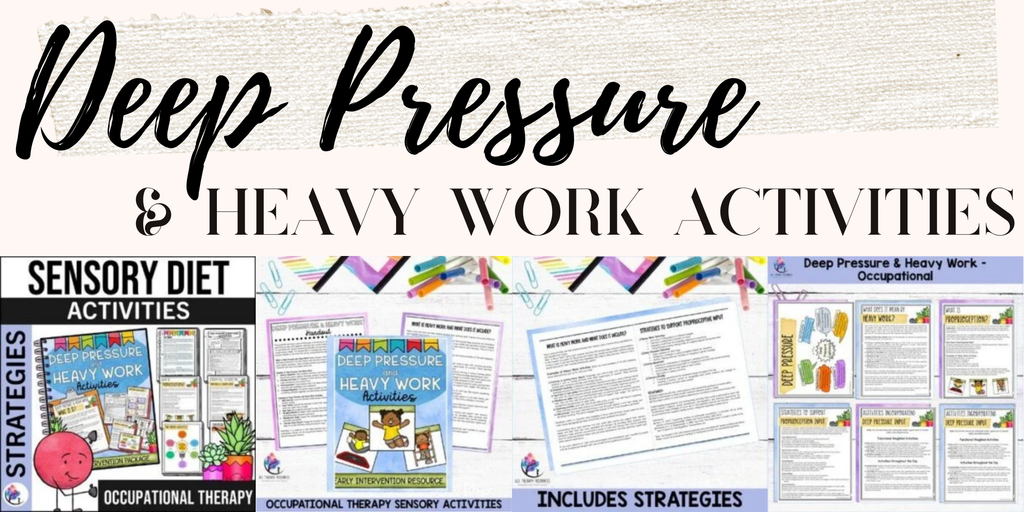
Heavy Work Activities for Classroom Routines
The strongest classroom activities are often the ones that serve a real purpose. A student is not singled out to do a “sensory break”; they are participating in the work of the classroom. This approach can reduce stigma and makes the routine easier for staff to maintain on busy days.
Build helpful classroom jobs
Carrying a bin of library books, delivering a stack of folders, moving a small supply container, or helping place chairs at tables can add purposeful resistance. For younger students, pushing a cart with classroom materials or returning shared items to a storage area may be more manageable than carrying objects. Older students may prefer jobs that feel age-respectful, such as organizing materials for a lab, distributing devices, or rearranging flexible seating before a group activity.
Keep loads light enough for safe, controlled movement. The point is steady effort, not strain. Consider the route, clutter, stairs, crowded hallways, and whether a student has medical, mobility, or motor considerations that require a different option.
Add push and pull to transitions
Transitions are a natural place for brief movement because students are already changing locations or tasks. A class can push chairs in with two hands before lining up, help slide lightweight bins to a designated area, or pull a resistance band attached securely to chair legs with their feet while waiting for instruction. A student who benefits from a more active role might push a loaded rolling cart alongside an adult, if school procedures allow.
Avoid turning these tasks into a demand placed only on students who are struggling. Offer them as class routines, rotating jobs, or voluntary choices. Students are more likely to use regulation tools when they do not feel watched or corrected for needing them.
Use wall and desk-based resistance
Not every student can leave their workspace at the moment they need movement. Brief wall pushes can be a discreet option: hands at shoulder height, feet planted, and a slow push for several seconds. Desk or chair push-ups, in which students press down through their hands while remaining seated, may work for some classrooms when taught safely and monitored.
These options are especially useful before a writing task, following a loud assembly, or during a lengthy lesson. They should be framed as a body check or reset, not as a consequence for off-task behavior. A simple prompt such as, “Let’s take ten seconds to help our bodies get ready,” is often more supportive than calling attention to a particular student.
Create active learning stations
Heavy work can be folded into instruction without making movement the centerpiece of every lesson. Students might move weighted classroom materials only when appropriate, carry letter or number cards to a sorting station, wipe down a whiteboard with firm, controlled strokes, or use a standing work surface for a brief task. During small groups, an adult can incorporate a movement-based errand between activities for students who benefit from a reset.
The academic purpose should remain clear. If the movement component becomes too exciting, competitive, or lengthy, it can pull attention away from learning. A quieter task with resistance may be a better fit than a high-energy relay, particularly for students who have difficulty shifting back to a seated activity.
Offer options in a calm space
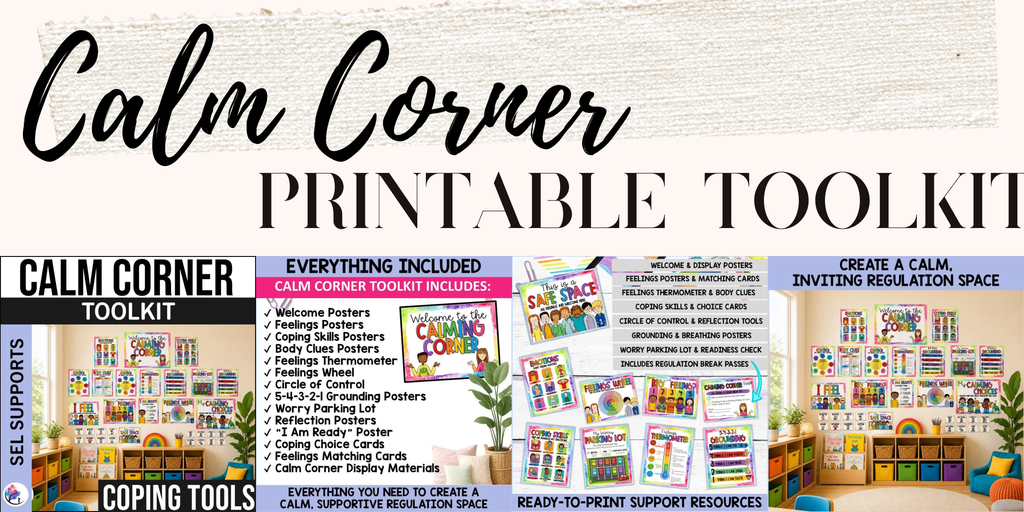
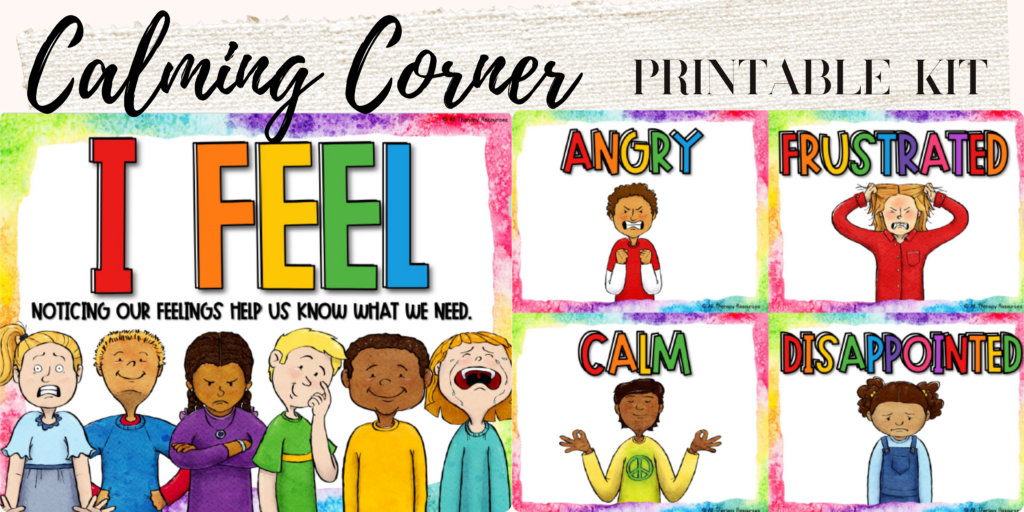
A classroom calm corner can include heavy work choices without becoming a place students are sent when they are distressed. Depending on the setting and supervision, options may include pushing palms together, pressing hands against a wall, carrying a small bin to a designated spot, or using a school-approved resistance tool. Visual directions can make the routine more accessible: choose one activity, complete it slowly, notice how your body feels, then decide whether to return to the task or ask for help.
For students with trauma histories, predictability and autonomy are particularly important. Avoid unexpected touch, forced participation, or language that implies a student must regulate before they are worthy of support. Offer choice whenever possible and keep the adult’s tone calm, neutral, and respectful.

Supporting Sensory Regulation Beyond Heavy Work Activities
Heavy work activities are just one part of supporting sensory regulation in the classroom. Helping students recognize their body’s signals and explore different sensory strategies can also build self-awareness and independence.
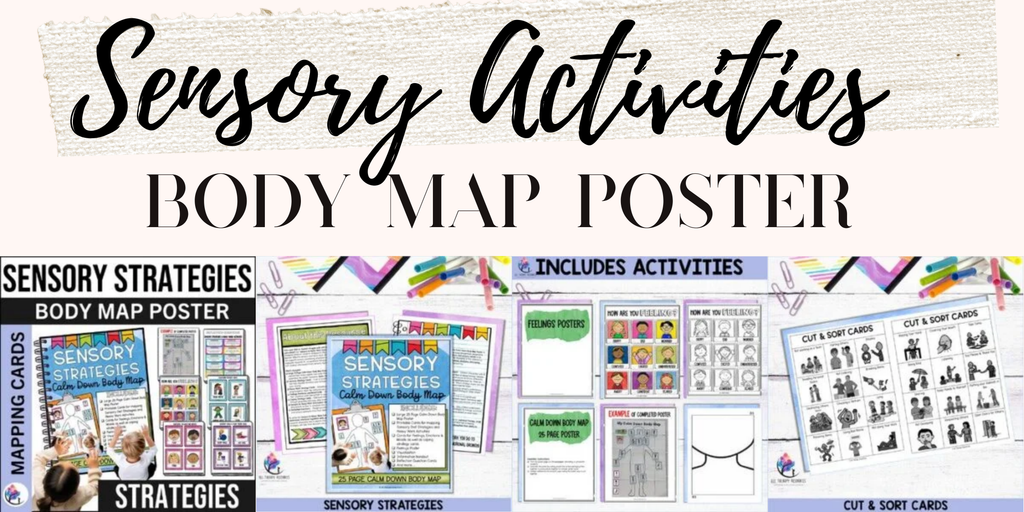
Our Sensory & Heavy Work Calm Down Body Map provides a visual, hands-on approach with heavy work strategy cards, sensory activities, emotional awareness tools, and reflection prompts to help children explore what works best for their individual regulation needs.
Planning for Safety, Access, and Follow-Through
Before adding heavy work to a classroom plan, consider the student, the environment, and the timing. Activities should be physically safe, developmentally appropriate, and supervised as needed. Check with relevant school staff when a student has orthopedic concerns, medical considerations, mobility needs, or an existing sensory plan. An occupational therapist can help identify activities, intensity, and frequency that fit a student’s individual profile.
It also helps to look for patterns rather than assuming an activity works because it looks productive. After a brief movement task, does the student return to work more easily? Are they calmer but still alert? Do they need less adult prompting during the next transition? Or do they become more activated, frustrated, or avoidant? A few brief notes over several days can help a team make informed adjustments.
Students can be included in this reflection. Younger children might use simple language such as “too much,” “just right,” or “need more.” Older students may be able to identify when a short resistance activity helps them feel less restless, more awake, or more prepared to participate. This builds self-awareness rather than dependence on adults to interpret every need.
Consistency matters, but flexibility matters too. A student may benefit from chair pushes before independent work on one day and prefer a quiet drink of water or a counselor check-in on another. Regulation is not a checklist, and classroom supports work best when they are responsive to the whole child.
Heavy work activities don’t need to be complicated to make a meaningful difference. Sometimes, the smallest adjustments to a student’s day can create opportunities for greater comfort, connection, and readiness to learn. When we approach movement and regulation with curiosity, flexibility, and compassion, we help create classrooms where every student feels understood, supported, and ready to participate.
Frequently Asked Questions About Heavy Work Activities
What are heavy work activities for kids?
Heavy work activities involve pushing, pulling, carrying, squeezing, or other movements that engage muscles and joints. These activities provide proprioceptive input, helping children develop body awareness and potentially supporting sensory regulation, attention, and participation in everyday activities.
What are some easy heavy work activities for the classroom?
Simple classroom heavy work activities include wall pushes, chair pushes, carrying books, wiping tables, moving classroom supplies, and using resistance bands appropriately. These activities can be incorporated into daily routines without requiring specialized sensory equipment.
Can heavy work activities help students with ADHD or sensory processing difficulties?
Heavy work activities may help some students with ADHD or sensory processing differences manage their sensory needs and participate more comfortably in classroom activities. However, responses vary between children, and heavy work should be considered an individualized support rather than a treatment or guaranteed strategy for improving attention.
How often should children do heavy work activities?
There is no universal schedule for heavy work activities. Some children benefit from short movement opportunities throughout the school day, particularly before challenging transitions or periods of seated learning. Teachers can observe student responses and collaborate with occupational therapists when individualized guidance is needed.
What is the difference between heavy work activities and sensory breaks?
Heavy work activities specifically provide proprioceptive input through muscle and joint engagement. Sensory breaks are a broader category that may include movement, calming activities, auditory adjustments, or other sensory experiences. Heavy work can be one component of a sensory break, depending on the child’s individual needs.