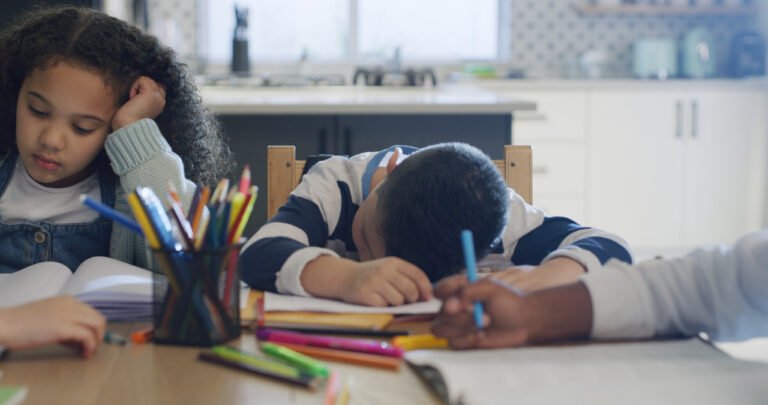

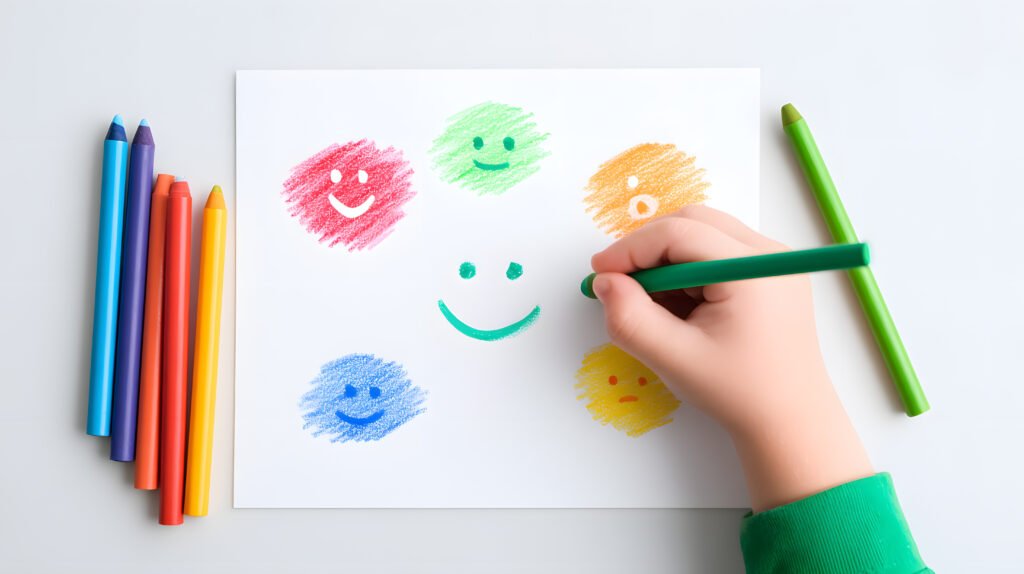
Have you ever noticed how children often show their feelings long before they can explain them? A child might shut down, act out, avoid tasks, or become tearful—not because they don’t want to communicate, but because they don’t yet have the emotional language or regulation skills to do so.
This raises an important question: How do we help children understand and manage their feelings in a way that feels safe, engaging, and developmentally appropriate?
One of the most powerful answers is play.
Let’s explore why feelings and play are so closely connected, how play-based social-emotional learning (SEL) supports emotional regulation and wellbeing, as well as practical ways professionals can use structured play opportunities to help children explore emotions like sadness, anger, anxiety, boredom, and jealousy.
Why Feelings and Play Go Hand in Hand
Play is a child’s natural language. Long before children can articulate complex emotions, they express them through play, movement, drawing, storytelling, and imagination.
Play-based emotional learning…
- Reduces pressure to “get it right”
- Allows children to explore feelings indirectly
- Supports nervous system regulation
- Builds emotional awareness in a non-threatening way
- Encourages engagement from reluctant or anxious learners
From a trauma-informed perspective, play offers safety. It gives children control, choice, and distance from overwhelming emotions—while still allowing meaningful exploration.
The Emotional Skills Children Build Through Play
Play-based feelings work is not about keeping children busy—it is intentional skill development. When guided thoughtfully, play helps children build:
- Emotional vocabulary and recognition
- Body awareness of feelings (interoception)
- Emotional regulation strategies
- Perspective-taking and empathy
- Problem-solving and coping skills
For example, a child who cannot yet say “I feel anxious” may easily create a playdough face with expressions, draw butterflies in a stomach, or choose a calming strategy card that reflects their internal experience.
A Trauma-Informed Lens: Why Play Feels Safer Than Talking
For some children, direct conversations about feelings can feel confronting or overwhelming—especially if they’ve experienced stress, loss, or ongoing anxiety.
Trauma-informed play-based SEL:
- Avoids putting children on the spot
- Allows emotional expression without forced disclosure
- Uses visuals, movement, and creativity to regulate the body
- Normalizes all feelings without judgment (ie – all feelings matter)
- Builds skills gradually and gently
I often see children open up after play—not before it. One young student who rarely spoke in sessions began expressing worry through drawing, role play and playdough activities. Over time, the language followed naturally. Play created the bridge.
Supporting Big Feelings Through Structured Play
Children experience a wide range of emotions every day, and some feelings are particularly challenging to navigate in school settings. Structured play packs allow young children to explore these emotions safely while learning coping strategies.
Feelings that often benefit from play-based support include:
- Anxiety and worry
- Anger and frustration
- Sadness and disappointment
- Boredom and disengagement
- Jealousy and comparison
The key is structure. While free play has value, especiallly when utilized in trauma-informed non-directive play therapy, guided therapeutic play with clear emotional goals can also help children connect feelings to understanding and regulation skills.
Using Feelings Play Pack to Teach Emotional Regulation
The Feelings Play Pack series has been designed specifically to support emotional understanding through developmentally appropriate, hands-on activities. Each pack follows a consistent, child-friendly structure so children feel safe and familiar as they explore different emotions.
The Anxiety Feelings Play Pack, for example, helps children:
- Understand what anxiety is in simple, reassuring language
- Identify what anxiety feels like in their body
- Learn and practice calming coping strategies
- Build emotional awareness through stories, visuals, and play
- Reflect on choices and strategies in a gentle way
Activities within the play pack include:
- A warm welcome letter to normalize the feeling
- Child-friendly definitions and explanations
- Visual coping strategy posters
- Short stories with reflection questions
- Playdough face mats to express emotions
- Feelings thermometers to explore intensity
- Guided visualization and mindfulness
- Mazes, puzzles, and coloring for calming focus
- Scenario choice cards and reflection prompts
- Roll-and-reflect dice games for discussion
- Certificates that celebrate emotional growth
The same supportive structure is used across all Feelings Play Packs, including sadness, anger, boredom, jealousy, and anxiety—making them ideal for consistent SEL programming.
Practical Ways to Use Feelings and Play in Schools
Feelings play packs are flexible and can be used across multiple settings, including:
- School counseling sessions
- Small group SEL interventions
- Early childhood and elementary classrooms
- Calm-down corners or regulation spaces
- One-on-one emotional check-ins
- Home-school collaboration and parent support
Practical tips for implementation:
- Let children choose activities to increase autonomy
- Pair play with simple reflection questions
- Model emotional language during activities
- Revisit the same emotion across multiple sessions
- Celebrate effort and understanding, not “calm behavior”
Why Play-Based Feelings Work Supports Long-Term Wellbeing
When children learn about feelings through play, they don’t just learn about emotions—they learn what to do with them.
Over time, this leads to:
- Increased emotional vocabulary
- Improved self-regulation
- Reduced emotional outbursts
- Greater confidence expressing feelings
- Stronger coping skills across environments
Play-based SEL lays the foundation for lifelong emotional health.
Reflection on Feelings and Play
Some of the most meaningful moments in my work happen quietly—while a child was coloring, rolling dice, engaging with pretend play or the dolls house, or shaping playdough. Play lowered defenses. It invited curiosity instead of fear.
One child once said, “I like learning about feelings like this—it doesn’t make my tummy tight.” That simple comment captures the power of play. When learning feels safe, growth follows.
Support Emotional Learning Through Play
If you’re looking for gentle ways to support emotional understanding and regulation, explore the All Therapy Resources Membership. Inside, you’ll find a growing collection of play-based SEL resources designed for school counselors, teachers, and school psychologists.
You can also explore the Feelings Play Pack series—including anxiety, sadness, anger, boredom, and jealousy—to bring meaningful, developmentally appropriate feelings work into your school or counseling space.
Frequently Asked Questions
Why is play important for teaching feelings?
Play allows children to explore emotions safely, without pressure, using their natural communication style.
Are feelings play packs suitable for school settings?
Yes. They are designed specifically for school counseling, SEL lessons, therapy sessions, and classroom use.
What age group are feelings play packs best for?
They are ideal for early childhood and elementary-aged students, with flexibility for individual needs.
Can these resources support emotional regulation?
Absolutely. They explicitly teach coping strategies and body awareness in a child-friendly way.
Do all the Feelings Play Packs follow the same structure?
Yes. Each pack uses a consistent, supportive format to help children feel safe and confident as they explore different emotions.
When children are given permission to explore feelings through play, they gain more than emotional knowledge—they gain confidence, resilience, and the tools to navigate their inner world with care.