
Are your students struggling to manage big emotions, frustration, anxiety, or everyday school stress? You’re not alone. Across classrooms and counseling settings, school counselors, teachers, and school psychologists are seeing increasing emotional dysregulation, low frustration tolerance, and difficulty coping with everyday challenges. Students are expected to learn academically while also managing complex emotions, social pressures, and personal stressors — often without being explicitly taught how.
This is why structured coping skills instruction has become essential within schools. When students are explicitly taught coping strategies and given opportunities to practice them in meaningful ways, we begin to see real change: improved emotional regulation, increased classroom engagement, stronger peer relationships, and greater resilience.
Over the years, working as a school counselor and resource creator, I have seen firsthand how intentional coping skills instruction can transform not only individual students but the overall classroom climate. With the right tools and structure, students don’t just learn about coping strategies — they begin using them independently.
Why Coping Skills Instruction Must Be Explicit and Ongoing
Coping skills are not something students automatically develop. Many students simply have not been shown what to do when they feel overwhelmed, anxious, frustrated, or upset. Without direct teaching, they may default to avoidance, shutdown, emotional outbursts, or disengagement.
When coping skills are explicitly taught and practiced, we often begin to notice significant shifts in student behavior and language. Students start saying things like:
- “I’m feeling overwhelmed. I need a break.”
- “I’m going to try a breathing strategy.”
- “I can calm down and try again.”
- “I know what helps me when I feel stressed.”
Teachers frequently report:
- Fewer emotional outbursts
- Improved frustration tolerance
- Increased willingness to try challenging tasks
- More positive peer interactions
- Greater independence in managing emotions
These are the outcomes we want for students — and they are achievable when coping skills are taught intentionally and consistently.
Using Interactive Coping Skills Activities to Increase Student Engagement
Students learn best when coping skills instruction is interactive, relatable, and engaging. Simply talking about coping strategies is rarely enough. Students need to explore scenarios, discuss choices, and practice applying strategies to real-life situations.
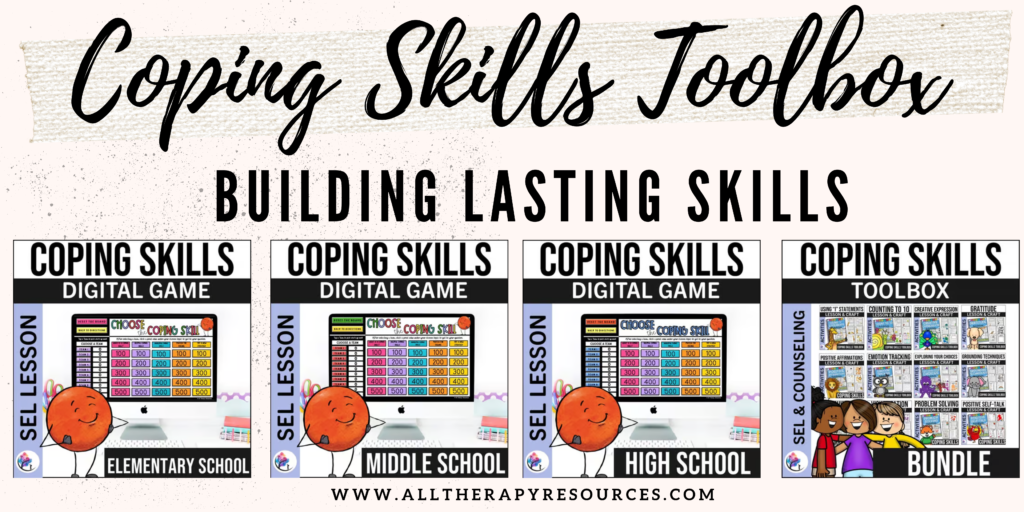
This is exactly why we created our Coping Skills Digital Games for elementary, middle, and high school students. These interactive games provide structured, scenario-based learning opportunities that help students identify helpful coping strategies, explore emotional responses, and practice making healthy choices in a supportive environment.
In classrooms and counseling groups where these games have been used, educators often report:
- Students actively participating in discussions about emotions
- Increased awareness of coping options
- Students suggesting coping strategies to peers
- Greater confidence in managing challenging situations
For younger students, coping skills activities focus on identifying emotions and learning simple calming strategies. Middle school students explore stress management, peer challenges, and emotional awareness. High school students engage in deeper discussions around anxiety, resilience, and real-world coping strategies.
These digital coping skills activities work beautifully in:
- School counseling small groups
- Whole-class SEL lessons
- Advisory periods
- Individual counseling sessions
- Wellbeing rotations
Because they are structured yet flexible, they allow professionals to facilitate meaningful discussions while keeping students highly engaged.
Building Lasting Skills Through Our Coping Skills Toolbox
While interactive activities provide an engaging starting point, long-term change occurs when coping skills are explored more deeply and practiced consistently. This is where structured lessons become incredibly valuable.
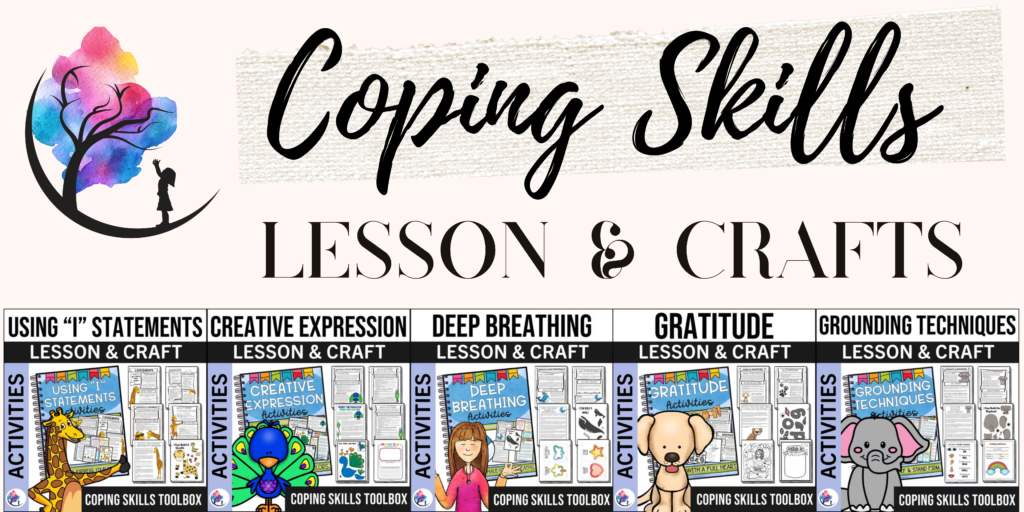
For example, within our Coping Skills Toolbox Bundle, each coping strategy is explored through a comprehensive, student-friendly lesson. Rather than briefly introducing coping skills, the toolbox allows students to truly understand, practice, and reflect on strategies they can use in everyday situations.
Each lesson within our toolbox includes:
- A student-friendly letter introducing the coping skill
- A practical tip sheet explaining when and how to use it
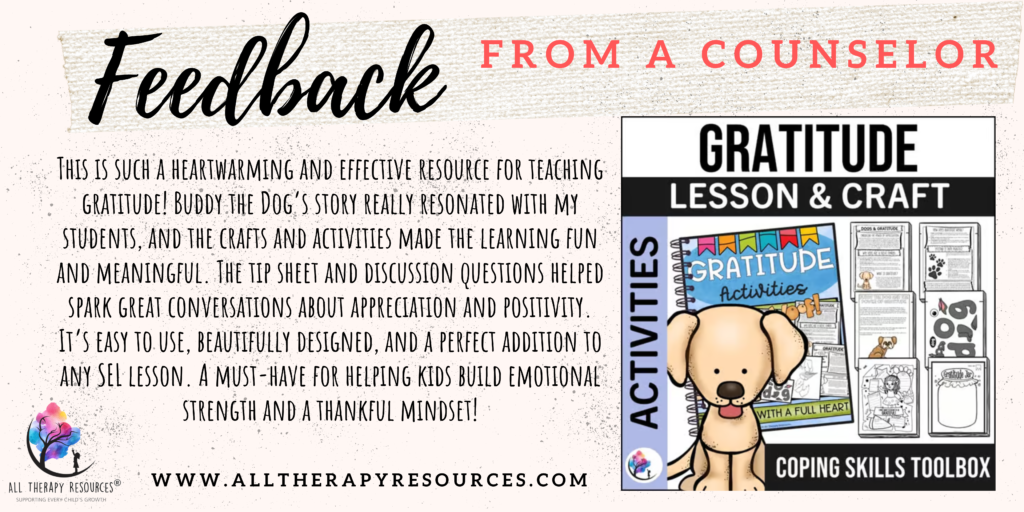
- Engaging stories that help students connect emotionally
- Hands-on cut-and-paste crafts to reinforce learning
- Reflection questions to deepen understanding
- Activities that support real-life application
This layered approach allows students to move beyond simply hearing about coping skills to actually practicing them in meaningful ways.
For example, within our Creative Expression coping lesson, students learn how drawing, writing, and creative activities can support emotional regulation. After implementing this lesson in small groups, many educators notice students independently choosing creative activities when feeling overwhelmed or frustrated. Teachers often report students asking for drawing time to calm down or using journals to process emotions.
These are the kinds of authentic behavioral shifts we want to see — students actively selecting and using coping strategies without constant prompting.
What Changes Can You Expect When Students Learn Coping Skills?
When coping skills are taught consistently and in developmentally appropriate ways, we begin to see meaningful changes in student behavior and emotional awareness.
In schools using structured coping skills resources, professionals often report:
- Students using coping language independently
- Increased emotional vocabulary
- Reduced shutdown or avoidance behaviors
- Improved peer conflict resolution
- Greater willingness to seek help appropriately
- More positive classroom participation
One school counselor recently shared that after implementing structured coping lessons, several students began reminding each other to “use a coping tool” when feeling frustrated. This level of peer-to-peer reinforcement reflects true internalization of emotional regulation skills.
These changes don’t happen overnight, but with consistent exposure and practice, students begin to view coping strategies as normal, helpful tools they can rely on.
Practical Tips for Implementing Coping Skills Instruction in Schools
If you’re looking to strengthen coping skills instruction within your school setting, consider these practical strategies:
- Introduce one coping skill at a time and revisit it often
- Use interactive and discussion-based activities
- Model coping strategies in real-life situations
- Provide visual reminders and prompts
- Encourage students to reflect on what works for them
- Celebrate when students independently use coping tools
Consistency is key. When students see coping skills being modeled and practiced regularly, they are far more likely to use them when needed.
Supporting Students with Ready-to-Use Coping Skills Resources
Having structured, ready-to-use resources makes coping skills instruction far more manageable for busy school professionals. Our coping skills digital games and Coping Skills Toolbox Bundle were designed specifically for school counselors, teachers, and school psychologists who want engaging, effective coping skills activities without hours of preparation.
These resources support you to:
- Save valuable planning time
- Deliver structured SEL lessons confidently
- Increase student engagement
- Support emotional regulation and resilience
- Create meaningful discussions about feelings and choices
Many professionals choose to use the digital games to introduce coping skills in an engaging way, followed by deeper exploration through the coping skills toolbox lessons. This combination allows students to both explore and internalize strategies in a supportive and structured format.
You can also explore the All Therapy Resources membership for ongoing access to a growing library of social-emotional learning, behavior, and wellbeing resources designed specifically for real-world school settings.
Frequently Asked Questions
What are coping skills activities for students?
Coping skills activities are structured lessons and interactive experiences that teach students how to manage emotions, stress, and challenges in healthy ways. They help students build emotional regulation, resilience, and problem-solving skills.
Why are coping skills important in schools?
Coping skills support emotional wellbeing, improve behavior, and help students engage more effectively in learning. Students who understand coping strategies are better able to manage frustration, anxiety, and peer challenges.
How do coping skills improve student behavior?
When students learn how to regulate emotions and respond to challenges, they are less likely to react impulsively. This leads to fewer behavioral incidents, improved classroom participation, and stronger relationships.
Can coping skills be taught across all grade levels?
Yes. Coping skills can be adapted for elementary, middle, and high school students. Younger students may focus on identifying feelings and basic calming strategies, while older students explore stress management, resilience, and decision-making.
How often should coping skills be taught?
Coping skills should be introduced regularly and revisited throughout the year. Ongoing practice helps students internalize strategies and use them independently when needed.