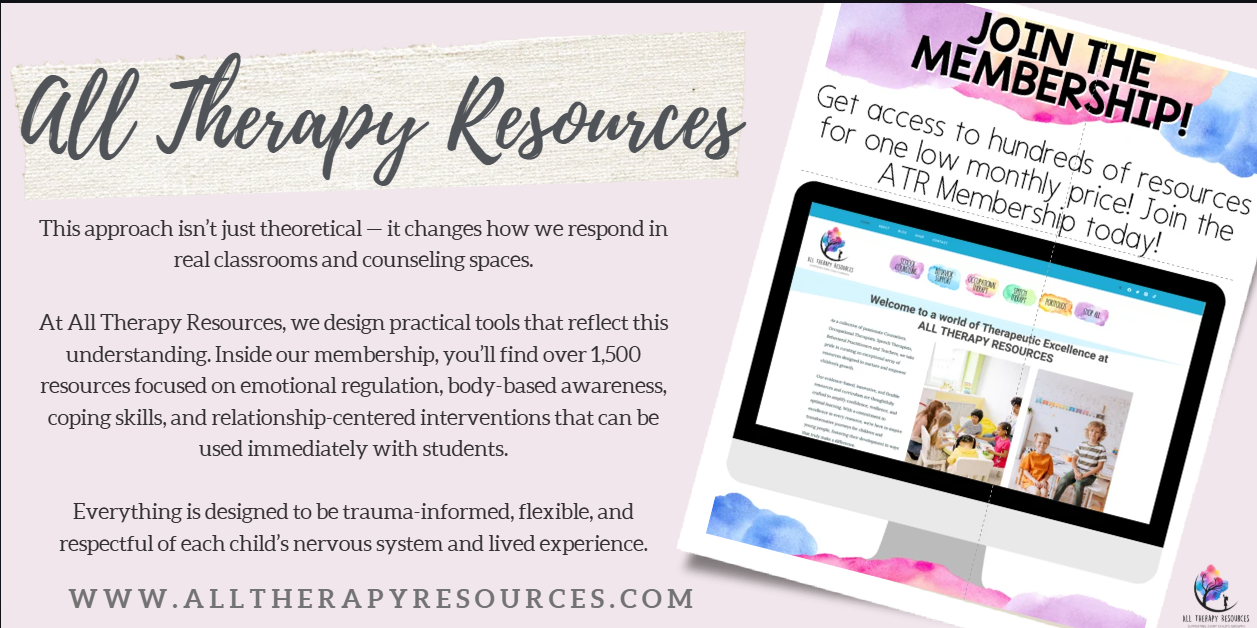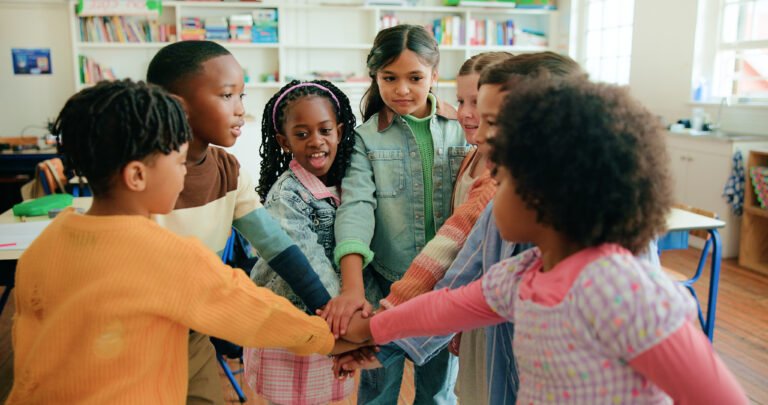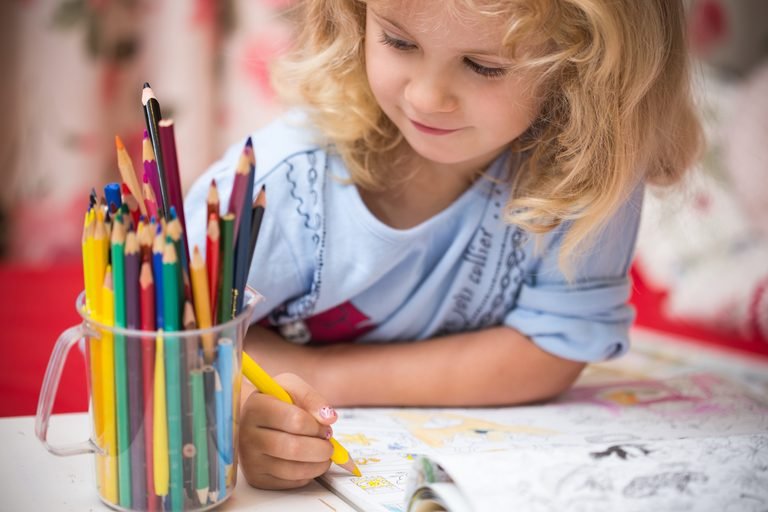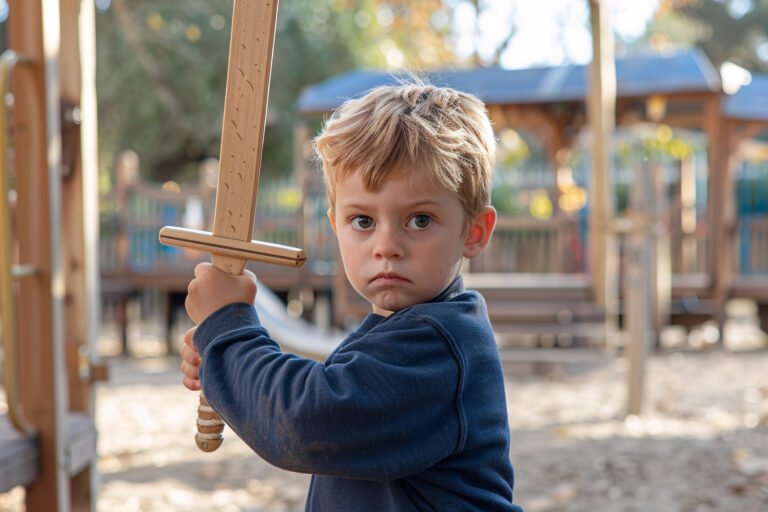

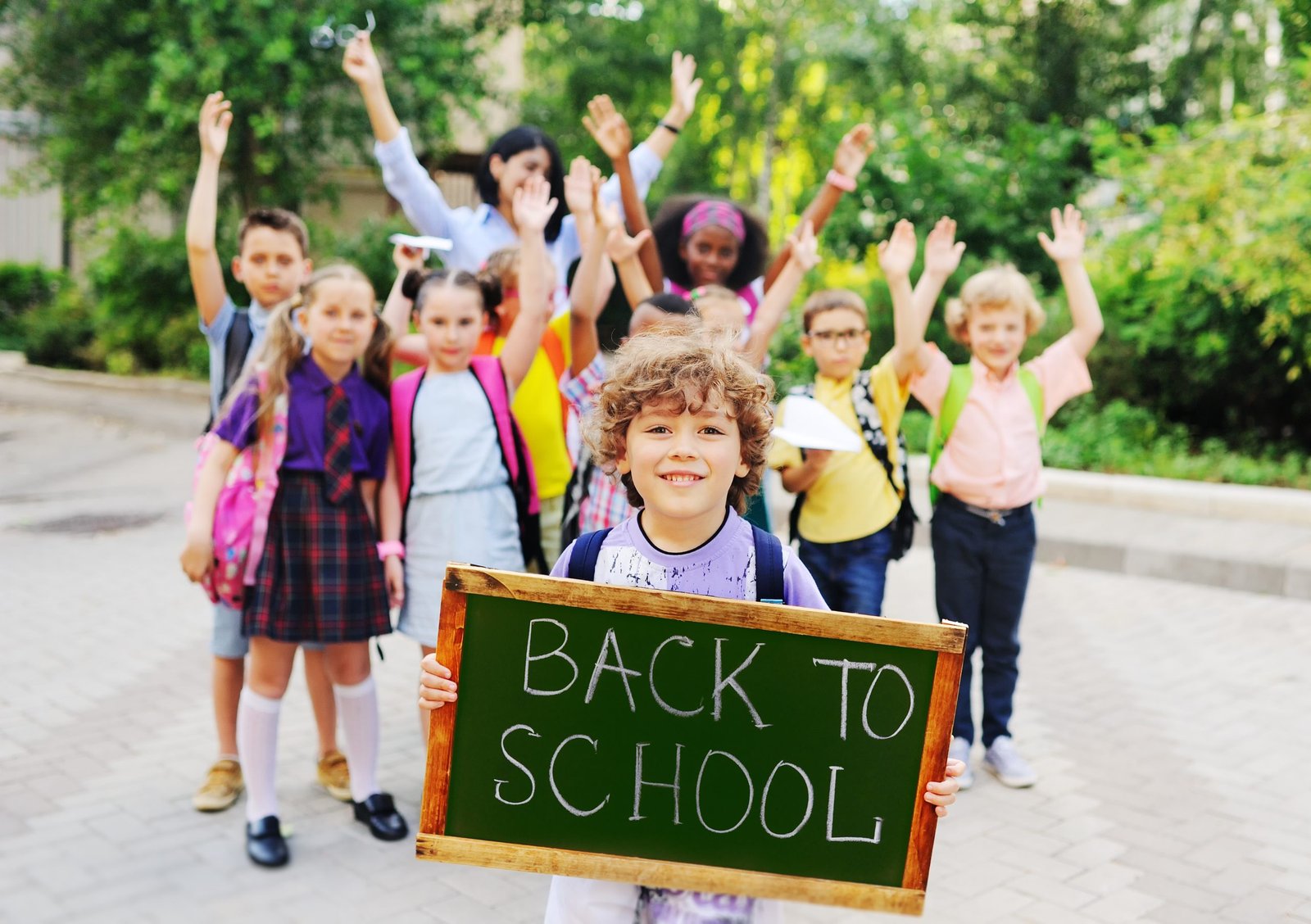
There is something emotionally complex about the beginning of a new school year that adults sometimes forget.
On the surface, back-to-school season can look exciting. Fresh supplies. New classrooms. Colorful bulletin boards. Reconnecting with friends. New routines. New teachers.
But underneath all of that, many students are carrying far bigger emotions than they know how to explain.
Some children walk into school excited and confident.
Others walk in quietly scanning the room for safety.
Wondering:
“Will I fit in here?”
“Will anyone talk to me?”
“What if my teacher doesn’t like me?”
“What if I can’t do the work?”
“What if people notice I’m nervous?”
And honestly, many children never say these fears out loud.
Instead we see:
clinginess,
withdrawal,
big emotions,
behavioral challenges,
perfectionism,
avoidance,
hyperactivity,
or complete emotional shutdown.
That is why I think the beginning of the school year matters so much emotionally.
Because before meaningful learning can happen, children first need to feel:
safe,
connected,
welcomed,
and emotionally seen.
School counselors often carry a huge emotional responsibility during this transition period.
While teachers are organizing classrooms and routines, counselors are often quietly holding the emotional temperature of the school.
Watching for:
the anxious student,
the isolated student,
the grieving student,
the dysregulated student,
the child already carrying stress before the year has even properly begun.
That is why trauma-informed back-to-school counseling activities matter so deeply.
Not because they are “cute icebreakers.” But because connection is protective.
The Nervous System Needs Safety Before Learning Can Fully Happen
One thing neuroscience continues teaching us is that the brain learns best when children feel emotionally regulated and psychologically safe.
When the nervous system is in survival mode — anxious, overwhelmed, uncertain, or hypervigilant — the brain prioritizes protection over higher-level learning.
This is especially important during transitions.
The start of the school year is a major transition for many children.
New environments.
New social dynamics.
New expectations.
New routines.
New sensory demands.
New academic pressure.
Even children who appear “fine” externally may be working incredibly hard internally to regulate themselves emotionally.
Some children become quieter.
Some become louder.
Some become overly silly.
Some become perfectionistic.
Some become emotionally reactive over very small things.
Children rarely say:
“My nervous system feels dysregulated by uncertainty and transition.”
Instead we see the behavior sitting on top of those feelings.
That is why emotionally safe classroom and counseling environments matter so much in those first weeks back.
Because co-regulation always comes before self-regulation.
“Getting to Know You” Activities Are About More Than Fun
Sometimes we as adults underestimate how vulnerable it can feel for children to enter a room full of people and wonder whether they belong there.
That is why relationship-building activities matter so deeply at the beginning of the year.
Not because we need children to immediately “open up.”
But because children need repeated experiences of:
being welcomed,
being noticed,
being listened to,
and being accepted safely.
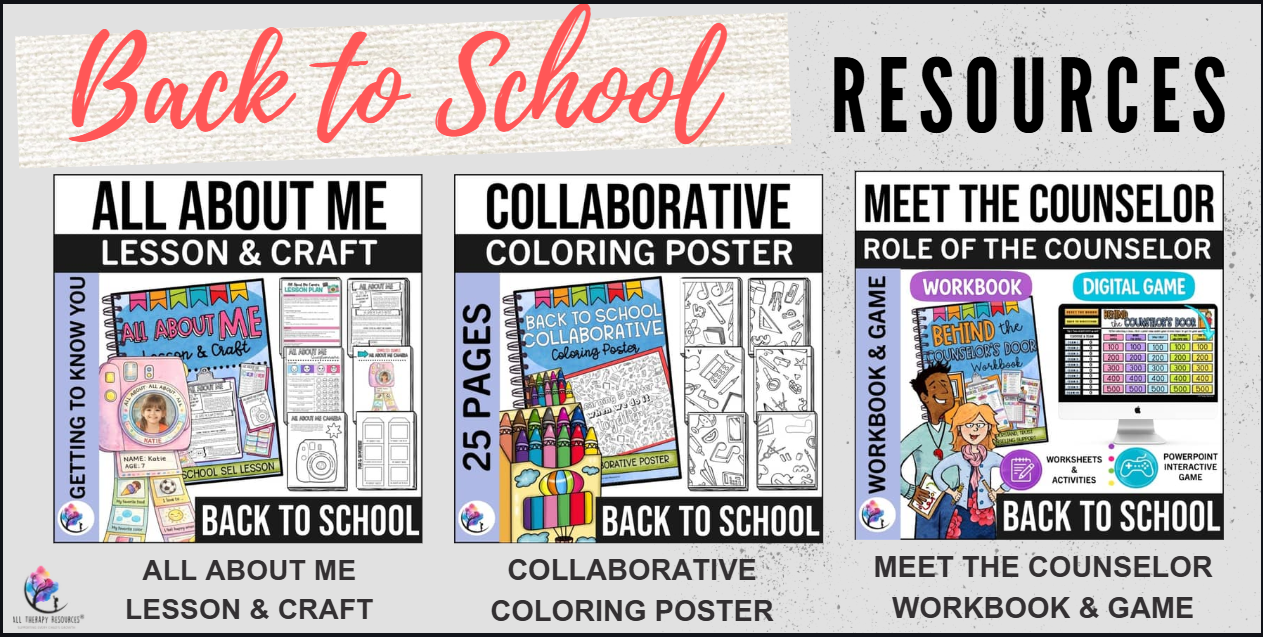
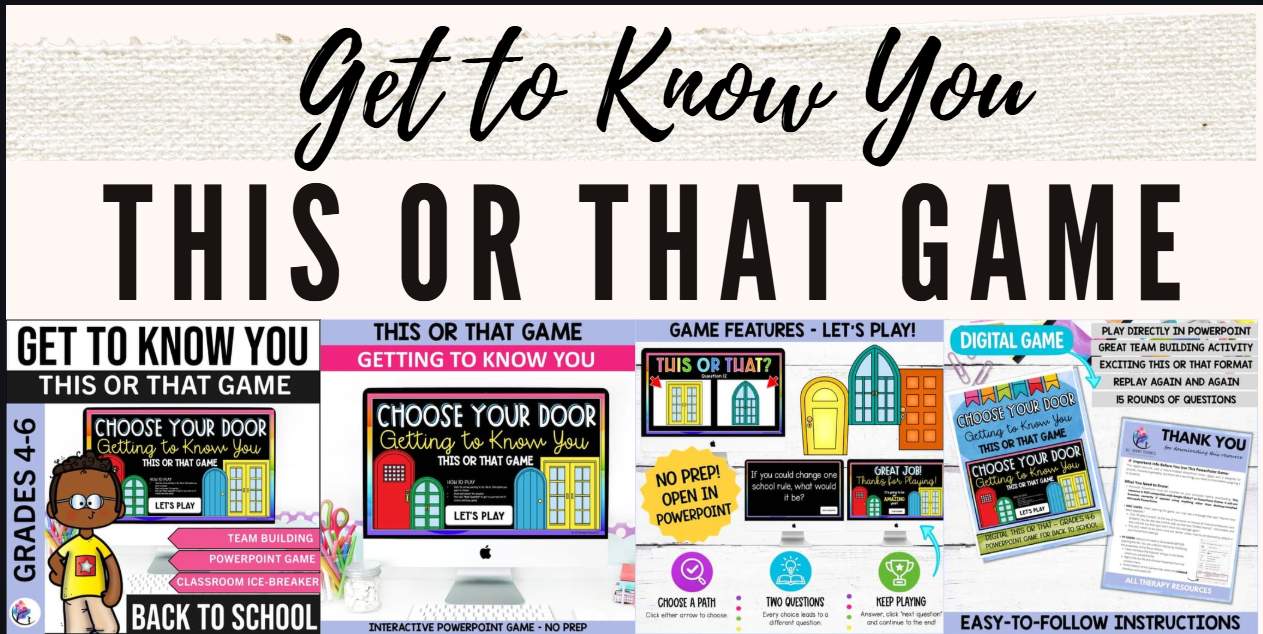
Our Getting to Know You Counseling Activities were designed specifically to help children begin building connection, confidence, self-awareness, and emotional safety in gentle and engaging ways.
What I love about these activities is that they create opportunities for children to share parts of themselves gradually and creatively. The activities encourage reflection around identity, strengths, emotions, interests, goals, and personal experiences in ways that feel approachable rather than emotionally overwhelming.
Creative activities often allow children to express things they may not yet have the words to explain directly.
Sometimes a child’s drawing, favorite item, coping strategy, or “all about me” response tells us far more than a formal check-in ever could.
School Counselors Are Often Trying to Build Safety and Gather Information at the Same Time
One thing I think many people outside counseling do not fully realize is how much school counselors are observing in those first few weeks.
Counselors are not only facilitating activities.
They are quietly noticing…
Who struggles separating from caregivers.
Who avoids eye contact.
Who watches the room carefully before participating.
Who apologizes constantly.
Who cannot tolerate mistakes.
Who struggles entering groups.
Who becomes overwhelmed by noise.
Who seeks connection immediately because they are desperate for belonging.
Those early observations matter.
Because the beginning of the school year often gives us important insight into…
attachment,
self-esteem,
social confidence,
emotional regulation,
peer dynamics,
coping skills,
and nervous system functioning.
That is why low-pressure counseling activities can be so valuable.
They allow counselors to begin building trust while also gathering important emotional information gently and respectfully.
Self-Expression Helps Children Feel Seen
One thing I love about “All About Me” activities is that they help children experience something many of them deeply need:
the feeling of being known.
Our All About Me T-Shirt and All About Me Camera activities encourage students to reflect on their interests, strengths, feelings, coping skills, favorite things, relationships, and identity in creative and developmentally supportive ways.
That process matters emotionally.
Because some children move through school environments feeling largely unseen beyond behavior or academic performance.
But when children are invited to safely share:
what matters to them,
what helps them feel calm,
what makes them unique,
what they are proud of,
or what they dream about,
they begin experiencing themselves as more than simply “students.”
They begin experiencing themselves as humans with stories, identities, emotions, and strengths.
That sense of visibility is incredibly important for belonging and emotional safety.
Creative SEL Activities Reduce Pressure and Increase Regulation
Children often communicate more openly when their hands are busy.
Creative activities naturally reduce emotional intensity because the focus is shared between the conversation and the task itself.
That is one reason back-to-school crafts, collaborative posters, games, and reflective activities can work so beautifully in counseling settings.
Children do not always feel comfortable sitting face-to-face answering direct emotional questions.
But they often begin opening up while:
drawing,
coloring,
creating,
rolling dice,
sharing ideas,
or participating in collaborative tasks.
That emotional distance can make vulnerability feel safer.
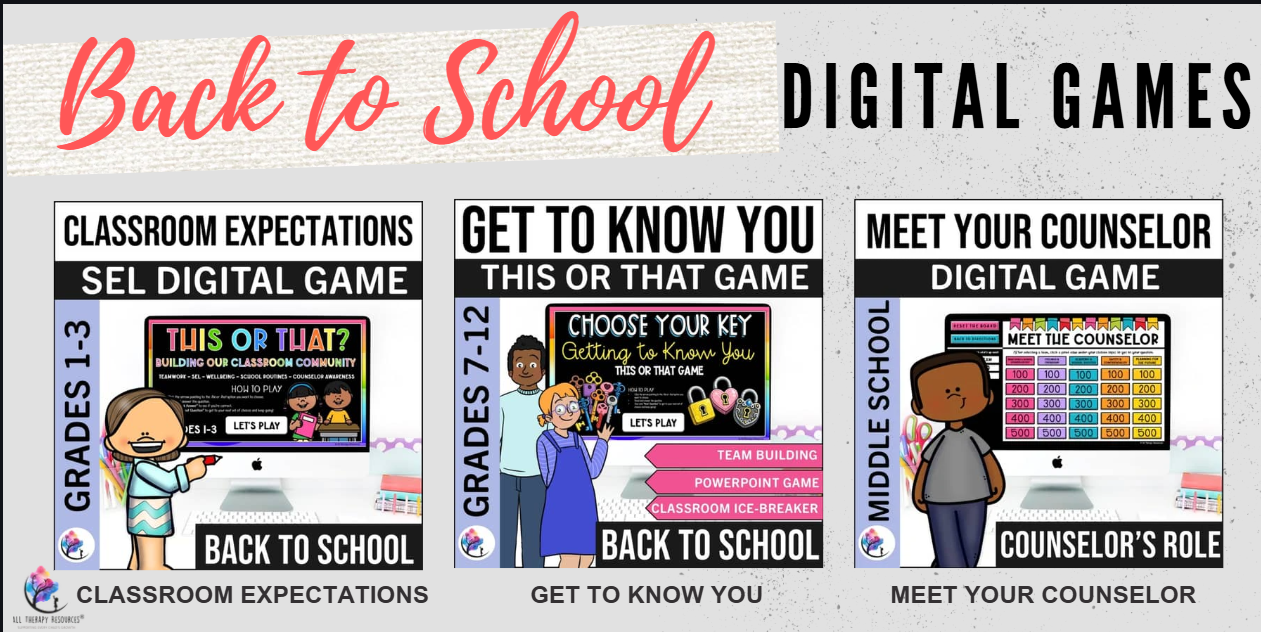
Our collaborative back-to-school activities were intentionally designed to support classroom community, teamwork, inclusion, and emotional connection through shared participation.
And honestly, collaborative activities can be incredibly regulating for children because they reinforce an important emotional message:
“You are part of this community too.”
Counselors Often Carry the Emotional Weight of the School Transition
School counselors deserve far more acknowledgment for what they hold emotionally during back-to-school season.
While everyone else is focused on schedules, systems, and curriculum pacing, counselors are often holding:
student anxiety,
parent concerns,
friendship breakdowns,
behavior escalations,
grief,
trauma responses,
school refusal fears,
and nervous system dysregulation.
And often they are trying to build relationships quickly with students who may already feel emotionally unsafe in school settings.
That emotional labor is significant.
Especially because counselors are often expected to simultaneously:
support students,
support teachers,
support families,
manage crises,
build programming,
and create emotionally safe environments all at once.
That is why counselors need resources that feel:
low-prep,
meaningful,
relationship-centered,
and emotionally supportive.
Not just academically engaging.
But genuinely helpful for building connection and emotional trust.
Predictability Helps Children Feel Safer
One thing that becomes very clear during the first few weeks back is how much children rely on predictability to regulate themselves emotionally.
Children feel safer when they know:
what is happening,
what is expected,
who is there,
and what comes next.
That is why routines, classroom expectations, collaborative discussions, and emotionally safe introductions matter so much.
Activities like classroom community games, structured discussions, predictable sharing opportunities, and collaborative projects help reduce uncertainty while strengthening belonging.
And honestly, many children need repeated reminders that school can become a safe place for them again.
Not immediately.
Not perfectly.
But gradually.
Get the Tea with Angie – Founder of All Therapy Resources
One thing I have learned over the years is that the beginning of the school year often reveals which children are carrying invisible emotional weight long before academics truly begin.
Some children arrive excited and open.
Others arrive emotionally braced for disappointment, rejection, embarrassment, or failure.
And honestly, many children are quietly wondering:
“Will I matter here?”
That question sits underneath so much behavior at the start of the year.
The child acting silly may be trying to secure belonging.
The withdrawn child may be protecting themselves emotionally.
The perfectionistic child may already fear getting things wrong.
The overly helpful child may be searching for connection through pleasing others.
That is why those early relationship-building moments matter so deeply.
Not because counselors are trying to create “perfect classrooms.”
But because emotionally safe relationships are often what allow children’s nervous systems to slowly exhale enough for learning, confidence, and connection to grow.
Sometimes one warm interaction at the beginning of the school year becomes the reason a child starts believing:
“Maybe I belong here after all.”
Remember
Back-to-school counseling activities are about far more than icebreakers or classroom fun.
At their core, they are about helping children feel:
safe,
connected,
valued,
included,
understood,
and emotionally supported during a major transition period.
Because children learn best when their nervous systems feel regulated enough to engage, connect, and trust the environment around them.
Continue Helping Students Feel Safe, Seen, and Connected
The beginning of the school year is about far more than routines, schedules, and classroom expectations.
For many children, it is a time of uncertainty, emotional adjustment, social pressure, and nervous system overload. That is why trauma-informed back-to-school counseling activities matter so deeply.
Inside the All Therapy Resources Membership, you’ll find a growing collection of counseling, SEL, and wellbeing resources designed to help students:
• Build emotional safety and trust
• Strengthen classroom connection and belonging
• Develop confidence and self-awareness
• Navigate friendships and social challenges
• Explore emotional regulation and coping skills
• Build positive relationships with peers and trusted adults
• Feel calmer, safer, and more supported during transitions
All of the resources discussed throughout this article, including our back-to-school counseling activities, SEL games, classroom community resources, and “getting to know you” supports, are already included inside the membership. New resources are added regularly to support real-world school counseling, wellbeing, and therapeutic practice throughout the entire school year.