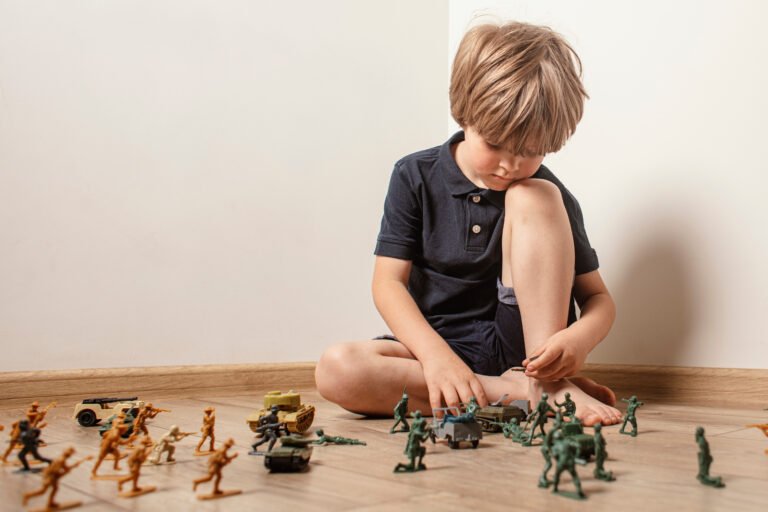


Are you interpreting behavior—or just reacting to it?
As counselors, psychologists, educators, and caregivers, we’re often on the front line of children’s emotional and behavioral worlds. But how often do we pause and ask: What is this behavior trying to tell me? When a child melts down over a pencil not being sharp enough, refuses to follow instructions, or withdraws from social situations, it’s rarely “just bad behavior.” More often than not, it’s communication.
Understanding behavior as a form of expression—especially when language or emotional regulation hasn’t developed yet—is critical. This blog explores how we can reframe challenging behaviors not as problems to eliminate, but as messages to decode.
Why Behavior Is Communication
Behavior is the language of unmet needs, distress, overwhelm, and sometimes trauma. When children lack the words to express what’s going on inside, their behavior often becomes the loudest part of their story.
As a I’ve worked with children who acted out aggressively in class—only to discover later that home life was filled with instability. I’ve seen seemingly disengaged children diagnosed with sensory processing difficulties or anxiety. These experiences remind me again and again: behavior always has a backstory.
What Can a Child’s Behavior Really Mean?
Big Reactions to Small Triggers
When a small event leads to a huge meltdown, it may not be about that moment. For many children, especially those with trauma histories or neurodivergent needs, “small” things can be the last straw in a full emotional cup.
Aggression or a Cry for Help?
What we label as “defiance” or “opposition” may be a child’s survival strategy—especially if they’ve learned that control, attention, or connection are scarce.
Avoidance = Anxiety
Refusing to complete tasks, attend school, or engage in learning often signals more than laziness—it can indicate anxiety, perfectionism, shame, or fear of failure.
Decoding Behavior With Curiosity
The key to truly understanding behavior is curiosity over compliance.
Instead of asking, “How do I stop this?” try asking:
- What might be going on for this child?
- What is their behavior trying to tell me?
- What happened before, during, and after the behavior?
Practical Tip: The ABCs of Behavior
Use the Antecedent–Behavior–Consequence (ABC) model to explore:
- Antecedent: What happened right before the behavior?
- Behavior: What exactly did the child do?
- Consequence: What happened immediately afterward?
Over time, you may notice patterns that reveal the underlying message of the behavior.
Common “Messages” Behind Behavior
| Behavior | Possible Message |
|---|---|
| Tantrums | “I’m overwhelmed and can’t self-regulate yet.” |
| Defiance | “I don’t feel safe or in control.” |
| Withdrawal | “I’m anxious, overstimulated, or unsure how to engage.” |
| Clinginess | “I need connection and reassurance.” |
| Perfectionism | “I fear making mistakes and losing approval.” |
What I’ve Learned from the Therapy Room
In my own clinical practice, I recall a young client who appeared “attention-seeking” at school. Teachers grew frustrated with constant interruptions. But through gentle exploration and symbolic play, it became clear he was deeply lonely at home and had no one consistently engaging with him. Once his emotional needs were met, his classroom behavior transformed—without punishments or rewards.
In another case, a child would freeze when given even minor feedback. It turned out she had internalized a belief that mistakes meant she was “bad.” Her behavior wasn’t disobedience—it was protection.
These micro-moments of insight—of listening beneath the surface—are what reshape our approach to behavior.
Supporting Behavior with Connection
Respond, Don’t React
Reacting to behavior with lectures, punishment, or withdrawal often reinforces fear or shame. Instead, aim to respond with warmth, clarity, and curiosity—even when setting limits.
Regulate Before You Educate
A dysregulated child can’t learn. Before offering strategies or teaching “better choices,” help them co-regulate by staying calm, grounded, and connected.
Validate First
You don’t need to agree with the behavior to validate the emotion behind it:
- “That was really upsetting, wasn’t it?”
- “It looks like something felt unfair to you.”
Validation builds trust and lowers the emotional temperature—making behavior easier to explore afterward.
Frequently Asked Questions
What if a child is just seeking attention?
Then give it. Seeking attention is often a sign of a deeper unmet need—such as connection, safety, or validation. Meeting that need can reduce the behavior over time.
How do I set boundaries without shaming?
Use firm, respectful language:
- “I can see you’re upset. It’s okay to feel that way, but it’s not okay to hurt others.”
- “I’m here to help you, but I can’t let you throw things.”
What if behavior escalates despite my support?
Sometimes behavior gets worse before it gets better, especially when shifting from punitive to relational approaches. Consistency, predictability, and attunement are key.
Final Thoughts
What if we saw behavior not as a disruption—but as an invitation? An invitation to slow down, tune in, and see the world through a child’s eyes. Every act of defiance, shutdown, or aggression carries a message: “I need help. I don’t know how to tell you.”
The next time you encounter challenging behavior, try responding with curiosity, not control. Over time, you’ll not only shift the behavior—you’ll strengthen the relationship.
Ready to Learn More?
At All Therapy Resources, we’re passionate about supporting professionals and caregivers with trauma-informed, creative, and practical tools for understanding children’s behavior. Our All Therapy Membership offers exclusive access to SEL resources, behavior tools, training videos, and evidence-based supports designed by professionals who get it.
👉 Join the All Therapy Membership and access powerful tools to decode behavior, foster connection, and make a lasting impact.