
It’s a moment many speech therapists, educators, and parents recognize.
A student produces sounds accurately in a therapy session. They can say the word correctly when prompted. They show clear progress during structured practice. And yet, in the classroom, playground, or at home, those same skills seem to disappear.
This can be frustrating for everyone involved. Adults may wonder if the child is not trying hard enough, not paying attention, or simply forgetting what they have learned. But experienced speech-language pathologists and therapists know that generalization — the ability to carry skills across environments — is one of the most complex parts of speech and language development.
When students don’t generalize speech skills, it is rarely due to lack of effort. More often, it reflects the many layers involved in transferring a learned skill into real-world use.
Progress in Therapy Doesn’t Always Equal Progress Everywhere
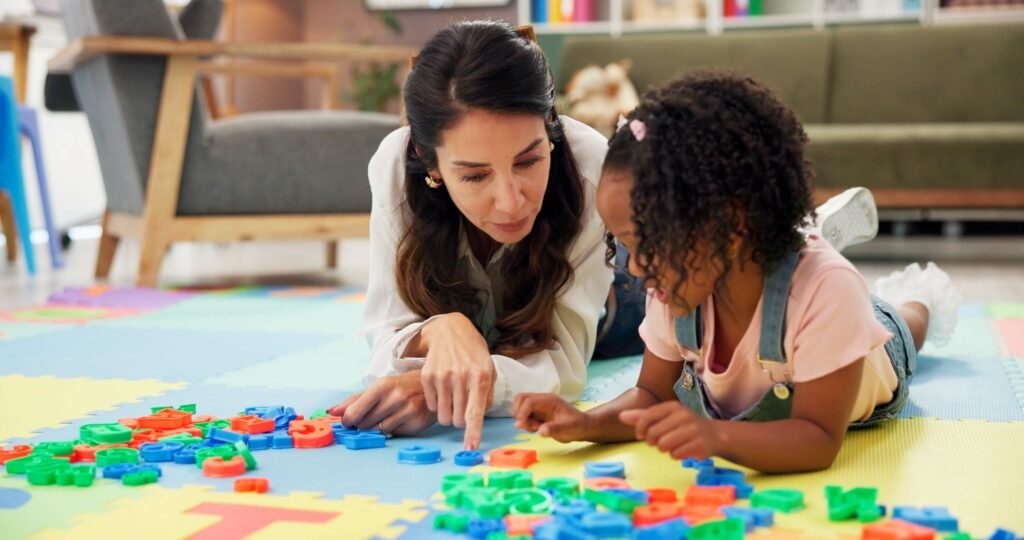
Speech and language sessions are typically structured, predictable, and supportive environments. Students often work one-on-one or in small groups with clear prompts, visual supports, and focused attention.
In this setting, many children thrive. They feel safe to try, make mistakes, and practice repeatedly. With time, they begin producing sounds more accurately and consistently.
But outside of that structured environment, the demands increase significantly.
Classrooms are busy and socially complex. Conversations move quickly. Attention is divided. Emotional and academic demands are higher. In these settings, even a well-learned skill can feel difficult to access.
This gap between therapy success and real-world use is not failure. It is part of the developmental process of generalization.
The Role of Cognitive Load
One of the most significant barriers to generalization is cognitive load. When students are in therapy sessions, they are often focusing primarily on speech production. Their attention can be directed toward sound placement, mouth movement, and accuracy.
In a classroom or social setting, however, they are managing multiple demands at once:
• Listening to instructions
• Thinking about content
• Managing social interactions
• Regulating emotions
• Completing tasks
• Responding quickly
When cognitive load increases, the brain prioritizes meaning over precision. A student who can produce a sound perfectly during practice may revert to old speech patterns when trying to keep up with conversation or classroom expectations.
This is not regression — it is the brain managing competing demands.
Emotional Safety and Confidence Matter
Speech production is not purely mechanical. It is closely linked to confidence and emotional safety. Some students feel comfortable practicing sounds in therapy but become self-conscious using them in front of peers.
Students may worry about:
• Being noticed or corrected
• Sounding different
• Making mistakes publicly
• Drawing attention to themselves
In these moments, the nervous system may prioritize emotional safety over accurate speech production. The student may default to familiar speech patterns simply because they feel less risky.
When we understand this connection, we can approach generalization with greater empathy and patience.
The Difference Between Knowing and Using a Skill
A student can know how to produce a sound without consistently using it. Knowing and applying are different stages of learning.
Think of speech generalization as a gradual process:
- Learning the sound in isolation
- Producing it in structured words
- Using it in sentences with support
- Applying it in structured conversation
- Using it spontaneously in real life
Many students move through these stages at different speeds. Some require extended time in the later stages before skills feel automatic across environments.
Expecting immediate transfer from therapy to everyday speech can place unnecessary pressure on both students and professionals.
The Importance of Multiple Practice Environments
Generalization strengthens when students have opportunities to practice skills across different settings. This might include:
• Therapy sessions
• Classroom participation
• Small group work
• Home conversations
• Play-based interactions
• Structured speech games
• Reading aloud
Each environment presents unique demands. The more varied the practice, the more likely skills are to transfer over time.
Collaboration between therapists, teachers, and families is often key. When all adults respond consistently and supportively, students feel more confident attempting new speech patterns beyond therapy sessions.
Why Pressure Can Slow Progress
When students are repeatedly corrected or pressured to “use their sound,” anxiety can increase. This may lead to avoidance, frustration, or reluctance to speak altogether.
A more supportive approach often includes:
• Gentle modeling rather than constant correction
• Celebrating effort and progress
• Creating low-pressure opportunities for practice
• Allowing time for skills to develop naturally
• Supporting confidence alongside accuracy
When students feel safe and supported, they are more likely to take the risks required for generalization.
What Experienced Professionals Often Notice
Over time, many therapists and educators observe that generalization tends to occur gradually rather than suddenly. Small shifts often appear first:
• Occasional correct sound use in conversation
• Self-correction after speaking
• Increased awareness of target sounds
• Greater willingness to try
• Improved clarity during familiar topics
These moments may seem minor, but they signal that skills are beginning to transfer. With continued support and reduced pressure, spontaneous use typically increases.
Supporting the Whole Child
Speech development does not occur in isolation. It is connected to regulation, confidence, processing speed, and social comfort. When we support the whole child — not just the sound — generalization becomes more likely.
This may involve:
• Building confidence and emotional safety
• Reducing performance pressure
• Encouraging communication over perfection
• Supporting regulation and attention
• Allowing time for integration
When students feel confident communicating, accuracy often follows naturally.
Final Reflection
Generalizing speech skills is one of the most complex parts of communication development. It requires not only accurate sound production, but also confidence, regulation, and the ability to manage multiple demands at once.
When students struggle to transfer skills beyond therapy sessions, it is not a sign of failure. It is a reminder that learning takes time, repetition, and emotional safety across environments.
With patience, collaboration, and supportive opportunities for practice, most students do begin to carry their skills into everyday communication. Sometimes slowly. Sometimes quietly. But often in ways that become more consistent and confident over time.
Progress in speech is rarely linear. And generalization, when it comes, is often one of the most meaningful signs that a student is beginning to feel both capable and confident in their voice.