

“She’s So Quiet, She Couldn’t Possibly Be Struggling…”
Have you ever had a girl in your classroom, clinic, or home who always seemed fine on the outside—but something just didn’t sit right? She followed instructions. She didn’t cause disruptions. She was polite and helpful. And yet, beneath the surface, something felt off.
Welcome to the world of masked behavior in girls—where struggles with anxiety, ADHD, and executive functioning difficulties are often overlooked simply because they don’t fit the loud or hyperactive stereotype we’ve come to expect. For many school counselors, parents, psychologists, and educators, this invisible struggle is one of the most important—and commonly misunderstood—areas of child mental health.
Why Are Girls Often Missed?
The Quiet Crisis of Masking
Girls are socialized—often from a very young age—to be “good,” “polite,” “compliant,” and “people-pleasing.” Many learn to mask their struggles by copying others, staying quiet, or overachieving in one area to compensate for difficulty in another.
When working with children across school and therapy settings, I’ve seen countless girls who appeared “well-behaved” in the classroom but were melting down at home or carrying a heavy load of internal stress. In one case, a girl who was struggling to keep up with multi-step instructions would sit silently in class, smile and nod, and later go home and cry in her room—convinced she was stupid and broken. The school had no idea. Why? Because she wasn’t “disruptive.”
ADHD in Girls: It Doesn’t Always Look Like Hyperactivity
The Inattentive Subtype Is Often Missed
When we think of ADHD, we often picture the boy who can’t sit still, calls out in class, or climbs furniture at home. But girls with ADHD are more likely to have the inattentive presentation—which is less disruptive and, therefore, less noticeable.
Signs may include:
- Daydreaming frequently
- Appearing to “zone out” in conversations
- Forgetting instructions or homework
- Seeming scattered or disorganized
- Starting assignments but rarely finishing them
- Slow processing or needing extra time to respond
I once worked with a girl who teachers described as “ditsy” and “spacey.” She was actually overwhelmed by the volume of classroom information and was constantly trying to keep up appearances while inside, she was in panic mode. It wasn’t until she had a formal ADHD diagnosis that supports like visual schedules and task scaffolding helped her thrive.
Anxiety in Girls: The Internal Storm
When Compliance Is Actually Fear
Anxiety in girls often presents as perfectionism, avoidance, or emotional shutdowns. They may strive to be “the good girl” because they fear making mistakes, getting in trouble, or not meeting expectations.
Common signs of anxiety in girls:
- Excessive need for reassurance
- Somatic complaints (headaches, tummy aches)
- Avoidance of new tasks or social situations
- Freeze responses in the classroom
- Emotional outbursts after school (after masking all day)
One student I worked with would hold it together all day at school, but the moment she got home, she would cry, scream, or become physically unwell. Her parents felt confused and overwhelmed. It turned out she was masking high-functioning anxiety all day long—desperate to perform, terrified to fail, and emotionally depleted by 3:00 pm.
The Overlap: When ADHD and Anxiety Co-Exist
Girls with both ADHD and anxiety may experience a complex interplay of executive dysfunction, emotional regulation challenges, and perfectionistic thinking. Their internal dialogue may sound like:
“I can’t focus, I must be dumb.”
“I forgot again, they’re going to be mad.”
“I can’t ask for help, they’ll think I’m lazy.”
This can lead to:
- Avoidance of tasks that require sustained effort
- Procrastination driven by fear of failure
- Sensitivity to criticism or redirection
- Excessive apologies or people-pleasing behavior
These children are often deeply misunderstood. They’re not trying to be difficult. They’re trying to cope—with limited tools.
What Professionals and Parents Can Look For
Signs a Girl May Be Masking Struggles
- She’s quiet but often tired, stressed, or tearful
- She over-prepares, overworks, or overachieves
- She avoids eye contact, group work, or new challenges
- She’s praised for her behavior—but reports low self-esteem
- There’s a big difference between school and home behavior
One girl I supported had perfect attendance and top marks but suffered from daily stomach aches and panic before oral presentations. She would smile and nod through class, but later describe feeling like she “couldn’t breathe” during the day. The masking was so well-practiced, it took weeks of gentle connection before she opened up.
Practical Strategies to Support Girls with Masked Behavior
Create Safe Spaces for Expression
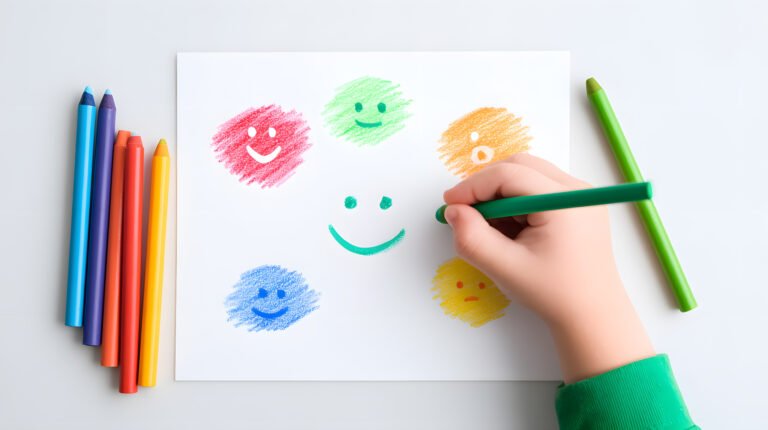
Not all children can say, “I’m anxious” or “I can’t focus.” Use visual check-ins, emotion thermometers, or drawing activities to help girls identify and express their inner world.
Normalize Mistakes and Struggles
Girls who mask often fear being “found out” as not good enough. Model self-compassion. Talk openly about mistakes, frustration, and imperfection as part of learning.
Use Visuals and Structure
Girls with ADHD benefit from visual schedules, written instructions, and chunked tasks. Predictability reduces cognitive load and supports follow-through.
Build Strong Relationships
Consistent, attuned adults help unmask hidden struggles. Be the person who sees beneath the smile.
Share Observations, Not Labels
When raising concerns with families or teams, describe patterns of behavior rather than jumping to conclusions. “I’ve noticed she often looks confused during instructions and needs a lot of reassurance” opens more doors than “She seems anxious.”
What I’ve Learned from Working with Masked Behavior
Over my career, I’ve come to deeply appreciate that behavior isn’t always what it seems. Some of the most compliant, quiet, or high-achieving girls I’ve worked with were carrying enormous emotional loads. They needed to be seen—not for their performance—but for their courage in holding it together.
And often, they needed permission to fall apart a little, knowing that someone would still be there, ready to help them piece it back together in a way that felt safer and more authentic.
Final Thoughts
Masked behavior in girls is one of the most under-identified challenges in mental health and education. Too often, girls are praised for their “good behavior” while their anxiety or ADHD goes unrecognized—and untreated. But when we look beneath the surface, listen closely, and respond with understanding and tools, we can change the trajectory for these girls.
Ready for More Tools to Support Mental Health in Girls?
The All Therapy Resources Membership offers printable visuals, handouts, and practical supports to help professionals and parents understand and respond to behavior with compassion. Whether you’re seeking emotion check-ins, ADHD supports, or anxiety regulation tools—there’s a whole library at your fingertips.
Join the All Therapy Membership today and gain immediate access to hundreds of trauma-informed resources designed by professionals who truly understand what children need.